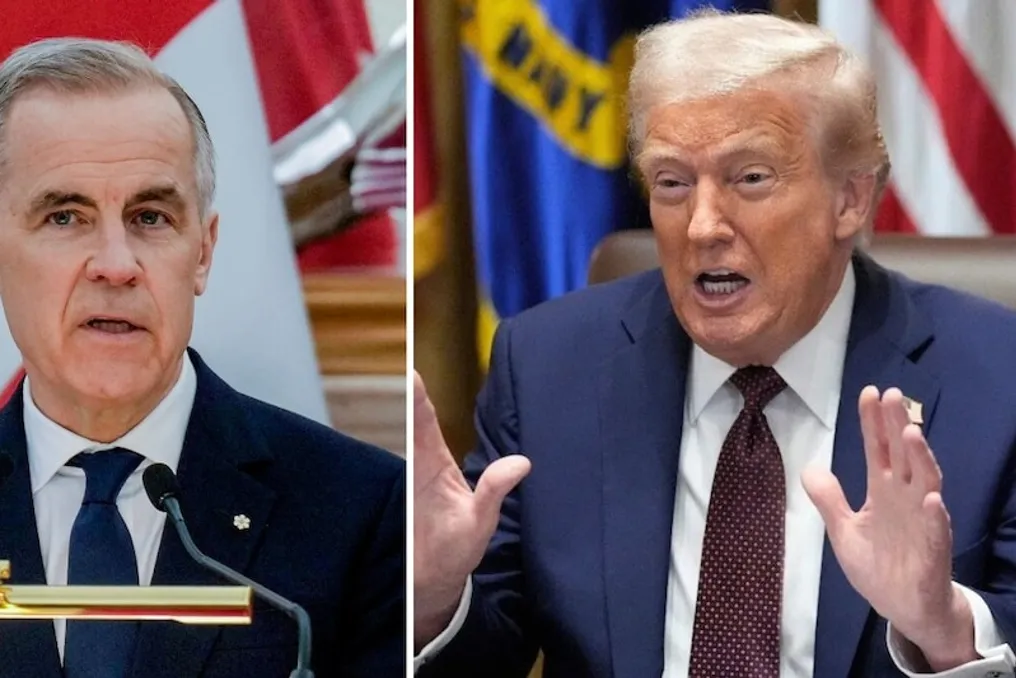
On Tuesday, August 25, Canada took retaliatory measures against the United States by imposing new tariffs on American goods totaling approximately $20 billion. Goods subject to the new duties include steel, dairy products, home appliances, and agricultural equipment. This move has escalated the trade war between the two neighboring countries, which previously maintained close relations.
The introduction of new tariffs affects not only industrial products but also everyday items such as seafood, cheese, clothing, cosmetics, and toilet paper. For some items, the tariffs reach 50 percent. Canada's retaliatory response followed the Trump administration's imposition of 50 percent tariffs on Canadian goods over the weekend and was enacted after trade negotiations failed.
President Donald Trump heightened tensions on Monday by demanding that Canadian leaders comply with his demands and warning of consequences more severe than existing tariffs. He also threatened to impose new 50 percent tariffs on Canadian automobiles, auto parts, and steel.
Furthermore, on Tuesday, Trump stated that he was seriously considering renaming Lake Ontario to Lake America. This dispute is being waged with Ontario Premier Doug Ford. Such a change would be analogous to Trump's executive order last year, which renamed the Gulf of Mexico to the Gulf of America.
The new tariffs will take effect on September 8, with rates set at 15, 25, and 50 percent. Canada will impose tariffs equivalent to corresponding US rates on over 700 products, including items such as cellulose and paper, as well as electronics. For many American goods, tariffs will increase from 25 to 50 percent. The majority of the new measures will concern steel and aluminum.
Canadian Prime Minister Mark Carney accused the US of attempting to subjugate Canada. He stated that the US demands during the failed negotiations showed they aim to 'destroy' key Canadian industries.