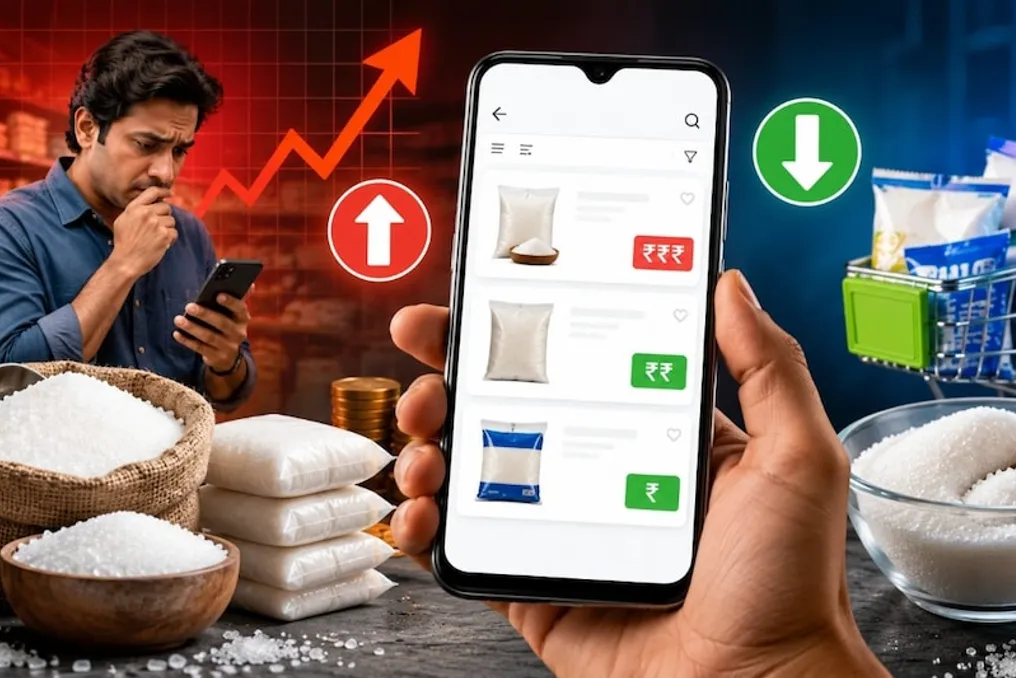
Government adopts two decisions, leading to a significant drop in sugar prices
Read more
Aaj Tak
www.aajtak.in

Government adopts two decisions, leading to a significant drop in sugar prices

Residents of the country have received good and relieving news regarding sugar prices. After a period of sharp price increases caused by recent events, a decline is now being observed. Thanks to decisive measures taken by the central government, exclusive sugar prices have dropped by 18%, reaching 55 rupees per kilogram.

According to Food Secretary Sanjeev Chopra, a further decrease in sugar costs is expected in the near future. The exclusive price is the cost at which the sugar factory sells sugar to the wholesale trader.

Over the last fifteen days, the country's sugar market experienced a sharp rise. The exclusive price of sugar rose to a record high of 67 rupees per kilogram. Sanjeev Chopra explained this sudden jump by stating that sugar factories were arbitrarily increasing their tariffs. The price increase from the factories led to sugar becoming expensive in the market, which was reflected in both wholesale and retail prices.

As soon as sugar prices reached 67 rupees per kilogram, the central government immediately adopted two extremely important decisions. To strengthen supply in the market, the government approved the import of sugar. Opening channels for sugar supply from foreign markets eliminated concerns about sugar shortages in the domestic market.

The government also clearly stated that it would not spare those involved in sugar speculation and illegal stockpiling. Strict supervision and restrictions were introduced to prevent stockpiling, limiting the opportunities for speculators.

The consequences of these strict government measures were immediately apparent in the market. Sugar factories were forced to lower prices. Currently, the exclusive price has decreased from 67 rupees per kilogram to 55 rupees per kilogram. It is expected that sugar prices will also fall in the retail market in the coming days.

The Food Secretary expressed confidence that the trend of decreasing sugar prices will continue. After the normalization of the supply chain and the arrival of imported sugar, a further drop in exclusive tariffs is expected in the near future.

When the exclusive price of any product decreases, this benefit directly reaches retail stores through the wholesale market. Since the exclusive price has been set at 55 rupees per kilogram, sugar prices in local grocery stores will also be lower in the coming days.

Similar stories

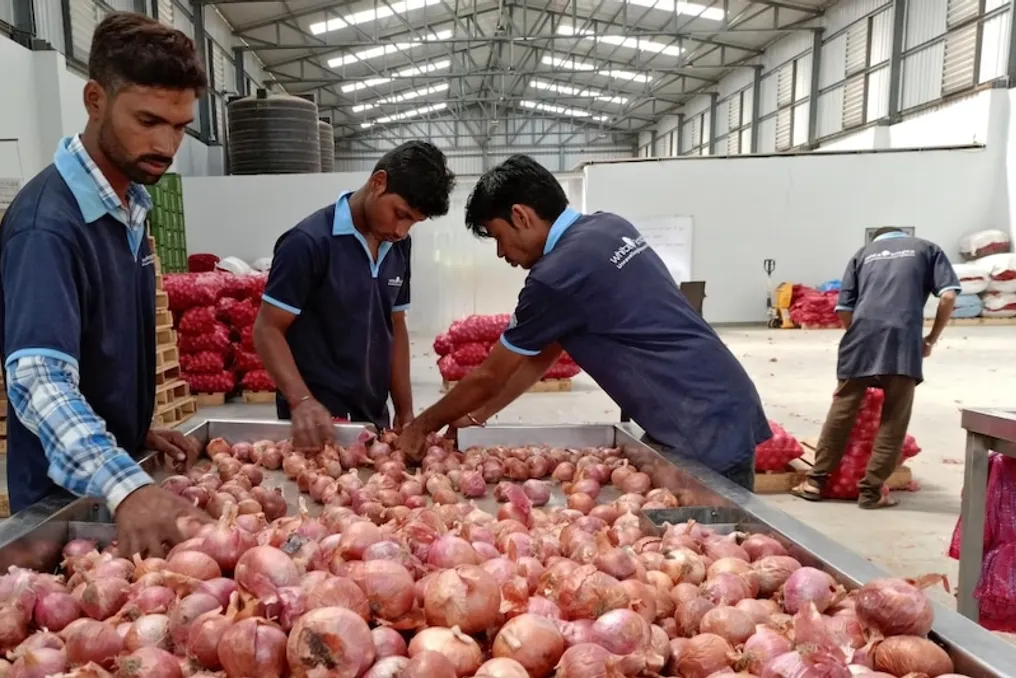
Rise in onion prices following sugar price hike causes consumer concern
Read more
www.aajtak.in

Rise in onion prices following sugar price hike causes consumer concern

Parallel to the continuous rise in sugar prices ahead of the holiday season, which is causing political disputes, onion prices are also showing a sharp increase, leading to public dissatisfaction. There has been a sudden and significant rise in the cost of onions.

In retail trade, the price per kilogram of onions has reached 60-65 rupees, whereas previously it was 30-35 rupees per kilogram.

Potatoes, onions, and tomatoes are vegetables commonly used daily in the kitchen, and their price increases negatively affect household budgets. This situation is currently being observed. According to reports, the surge in onion prices has affected regions such as Delhi-NCR, Nashik, and Chennai.

According to the Department of Consumer Affairs, the average retail price for onions was about 42 rupees per kilogram, which is approximately 19-20% higher than a month ago. In Delhi-NCR markets, onions are sold at a price of 60-65 rupees per kilogram. In Nashik, the cost of onions increased by more than 70% in one month.

Due to the sharp jump in onion prices, the government is preparing to start distributing onions from its reserve stocks to ensure supplies in cities where shortages and rapid price increases are observed.

This rapid rise in onion prices occurs while sugar prices have already dampened the festive mood. Sugar prices have increased in the country, and in just a few days, the retail price exceeded 65 rupees per kilogram or even more. Over a month, the price rose by approximately 15%.

Issues of sugar pricing have become the subject of heated political debates in India. The opposition uses sugar as a major topic for criticizing the government, claiming that the use of sugarcane for ethanol production leads to a reduction in sugar supply in the country, which causes the rise in sugar prices. However, the government under Narendra Modi has rejected these accusations, stating that there is no shortage in the country and that ethanol is not the cause of the price increase.

Modi's government introduces sugar stock limits to combat speculation
Read more
www.aajtak.in

Modi's government introduces sugar stock limits to combat speculation

Ahead of the festive season, the Modi government has taken decisive measures to prevent the accumulation of sugar stocks. The central authority has established strict limits on sugar storage, stipulating that only a 15-day supply is permitted. This decree will take effect on September 1st.

Dealers and traders who handle more than 10 metric tons of sugar per month will no longer be able to accumulate stocks beyond the newly set limit. Previously, in August, the government had set a limit of 30 days for sugar dealerships, but this period has now been reduced to 15 days. The central government is actively combating stock accumulation amid rising sugar prices and the approaching holiday season.

Under the new limit, wholesale traders and dealerships consuming more than 10 metric tons of sugar per month must not store supplies for longer than 15 days. This new regulation, effective from September 1st, will remain in force until November 30, 2026. The scope of this rule includes confectionery manufacturers, beverage producers, the food industry, and candy sellers.

The government will closely monitor traders' activities by identifying them based on various criteria, including average monthly consumption over the past year. Furthermore, sales made directly to large consumers from sugar mills or through dealers will be monitored. Sales and consumption will be verified using GST Returns and the HSN code for sugar.

This step taken by the central government before the festive season is significant, as demand for sugar sharply increases from August to November. According to recent data, the price of sugar has reached a record high. Over one month, the retail price of sugar increased by approximately 13-14 percent.

The main goal of changing the sugar storage limit is to prevent speculation, increase product availability, and stabilize prices. Meanwhile, administrative and local authorities located in federal territories will be exempt from this decree.

Popular