Iran's Tourism Minister seeks plan to increase tourist exchange with Iraq to five million visitors
Read more
Tehran Times
www.tehrantimes.com

Iran's Tourism Minister seeks plan to increase tourist exchange with Iraq to five million visitors

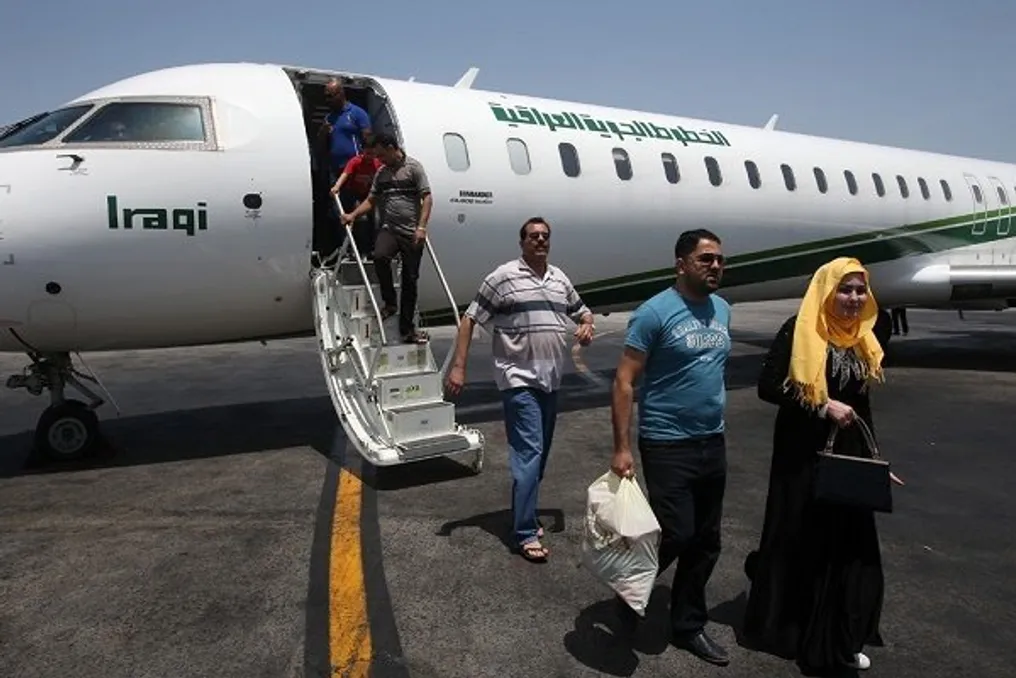
The Iranian Minister of Tourism stated that the country aims to increase the number of tourists visiting neighboring Iraq to five million in each direction within a year and called for the development of a detailed and measurable plan to achieve this goal.

Tourism Minister Seyyed Reza Salehi-Amiri made these statements at a meeting dedicated to expanding tourism ties with Iraq. Officials from the ministry, representatives from the border provinces of Ilam, Khuzestan, Kurdistan, Kermanshah, and West Azerbaijan, as well as private sector operators in tourism were present.

According to Salehi-Amiri, currently about 3.6 million Iraqi tourists travel to Iran, and approximately 3.5 million Iranians travel to Iraq. He emphasized that the target should be five million visitors in both directions within the specified period.

However, he stressed that the mass pilgrimage of Arbaeen must be separated from standard tourism statistics.

Arbaeen differs from regular tourism

Salehi-Amiri explained that the annual Arbaeen pilgrimage is fundamentally different from regular tourism because it is primarily a spontaneous and religious movement where standard tourism elements, such as paid services and accommodation, are not always applicable.

He described Arbaeen as an ideological and popular movement, asserting that tourism policy should focus on trips involving planned stays, the use of tourism services, and the creation of cultural and economic value.

The Minister called for expanding bilateral tourism ties beyond religious travel to include medical tourism, leisure, shopping, cultural, and academic destinations.

The Minister noted that many Iraqi guests visiting Iran visit cities like Shiraz and Isfahan, not just religious centers like Mashhad, demonstrating the broader potential of the Iranian tourism market for Iraqi travelers.

He strongly urged the creation of professional and targeted promotional content to showcase lesser-known attractions in both countries, including their natural, historical, cultural, and medical resources.

Transport and medical tourism

Salehi-Amiri stated that prioritizing the facilitation of road and private travel should be a priority, as simplifying border procedures for families and drivers could unlock significant untapped demand.

Furthermore, he demanded an assessment of air capacity between the two states, alongside the development of ground transport, shuttles from Iraqi cities to Iranian tourist sites, and improved border crossings.

Medical tourism was defined as another key area for cooperation. Salehi-Amiri reported that the sector faced difficulties due to the lack of an integrated system connecting patients and travelers from origin to destination.

He added that Iran has been working over the past two years to improve coordination between relevant agencies and is moving towards launching a comprehensive medical tourism system. This proposed system, he said, should enhance transparency, reduce intermediaries, and coordinate services for medical tourists.

He also highlighted the need to resolve issues related to banking and currency, intermediary activities, access to communication and SIM cards, as well as other obstacles faced by foreign medical tourists.

Call for a joint tourism mechanism

The Minister proposed establishing a permanent tourism cooperation mechanism between the two neighboring countries, stating that both sides should develop a common document describing tourism opportunities, challenges, obstacles, and possible solutions.

He suggested establishing a joint high council for tourism, a specialized working group, and a joint office for holding regular meetings, monitoring decisions, and assessing progress.

Salehi-Amiri also called for joint tourism and handicraft exhibitions, noting that tourism can contribute to economic development in border regions.

He concluded that organizing religious, medical, recreational, and other types of tourism in a coordinated system can bring economic benefits while strengthening social and cultural ties between peoples.

Annual Plan

Salehi-Amiri clarified that the five-million target must be transformed into a practical program with a clear schedule, assigned responsibilities, performance indicators, and monitoring mechanisms.

He added: 'We must take seriously the proposal of the Prime Minister of Iraq and determine through clear planning how we can reach the milestone of five million tourists within the next year.' He also noted that the plan must simultaneously assess a range of factors, including regional security, air and ground transport capacity, border infrastructure, medical, religious, and recreational tourism, family and private vehicle travel, length of stay, accommodation and tourism service infrastructure, and the role of the private sector.
Similar stories

Tehran and New Delhi Discuss Strengthening Tourism Cooperation
Read more
www.tehrantimes.com

Tehran and New Delhi Discuss Strengthening Tourism Cooperation

Iran and India held discussions on closer tourism interaction, enhancing air connectivity, private sector partnership, joint UNESCO nominations, and the development of medical tourism.

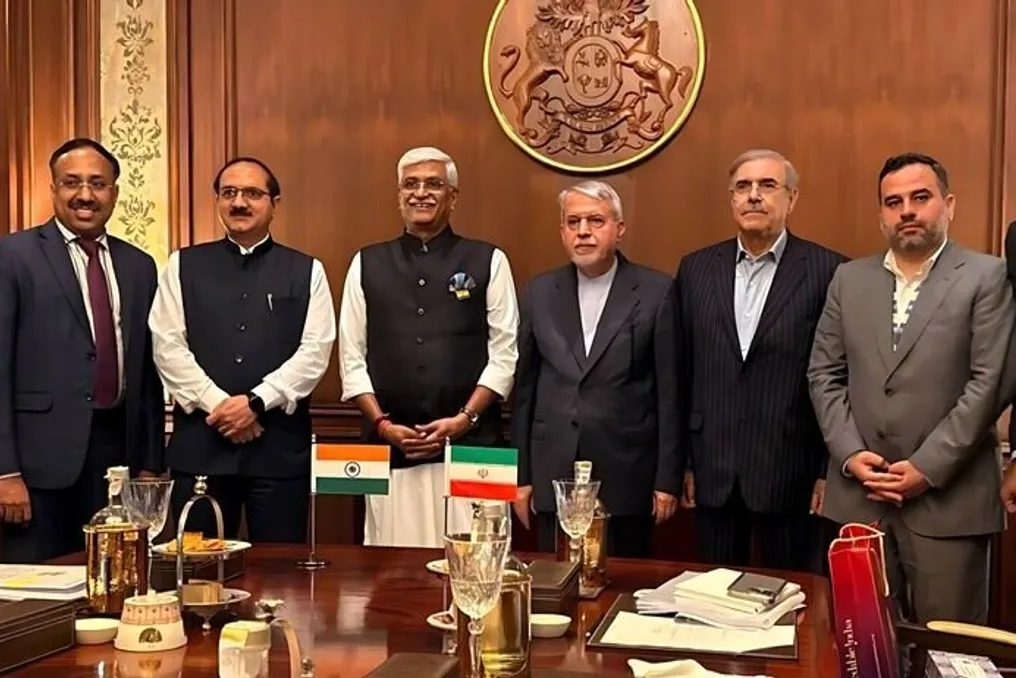
On Friday, Iranian Minister of Cultural Heritage, Tourism and Handicrafts Seyed Reza Salehi-Amiri met with Indian Tourism Minister Gajendra Singh Shekhawat. The meeting took place during the third BRICS Tourism Ministers' meeting in India. The main objective of the talks was to determine ways to transform the long-standing cultural and civilizational ties between the two countries into practical tourism cooperation.

Salehi-Amiri noted that Iran and India possess deep historical and civilizational ties, which serve as an important foundation for expanding bilateral relations, according to IRNA agency. He mentioned his visit to Mashhad, where he saw mosques and schools related to the historical presence of Indians, emphasizing that such places demonstrate the depth of contact between the peoples.

The minister also drew attention to the historical presence of the Persian language and culture in India, as well as the use of words with Iranian roots, calling these connections evidence of a shared historical and civilizational sphere. Salehi-Amiri stated that Iran and India cooperate not only bilaterally but also through multilateral structures, including BRICS and the Shanghai Cooperation Organisation, urging the use of these platforms to deepen interaction.

Despite significant cultural and economic ties, Salehi-Amiri observed that tourism cooperation between Iran and India has not yet reached a level commensurate with their broader relationship. As a first step, he proposed developing and signing a memorandum of tourism cooperation, followed by creating joint mechanisms to turn the agreement into concrete programs and projects. Furthermore, Salehi-Amiri officially invited Shekhawat and his colleagues to visit Iran.

Another priority was improving air links and resuming or expanding flights between the two states. The minister noted the potential for increasing tourist flows in both directions due to cultural similarities. The Iranian minister emphasized that private sector cooperation should be at the heart of bilateral tourism ties, calling for closer integration of travel agencies, hotels, tour operators, airlines, and other participants in the tourism supply chain.

The two ministers also discussed the possibility of jointly nominating cultural heritage sites to global UNESCO lists. Salehi-Amiri suggested that Iran and India could identify common cultural elements, historical routes, and heritage, and then prepare additional joint dossiers for nomination. Medical tourism was named another area with great potential. Salehi-Amiri referred to India's experience and infrastructure in this sector, as well as its competitive medical services, noting that Iran also possesses considerable capabilities and experience in healthcare.

He proposed an exchange of knowledge and experience to develop joint initiatives in this field. For his part, Shekhawat welcomed Iran's participation in BRICS tourism mechanisms, including working groups and ministerial meetings, and stated Iran's important role in the bloc's tourism cooperation. He also supported Salehi-Amiri's remarks at the BRICS Tourism Ministers' meeting regarding the concept of coexistence, stating that the world needs such an approach more than ever.

Shekhawat confirmed the undeniable depth and longevity of the cultural and historical bonds between Iran and India, calling for transforming these ties into new and practical forms of cooperation. He endorsed Iran's proposal for a tourism memorandum and stated that both countries should prepare the document and then implement cooperation through specific programs. Shekhawat also offered India's assistance in the restoration, preservation, and publication of historical manuscripts and written heritage common to both countries. He suggested that Iranian experts visit India to assess restoration needs and work with Indian specialists on protecting and publishing these manuscripts.

The Indian minister also suggested that under appropriate circumstances, parts of this shared written heritage could be considered for joint UNESCO nomination, allowing the countries' civilizational ties to gain wider international recognition. Shekhawat noted that millions of Indians travel to places like Thailand, the United States, Singapore, and the United Arab Emirates, but stressed the need for efforts to encourage travel to countries with closer cultural and civilizational ties to India. He specifically urged Indian tourists to visit Iran and learn about its historical and cultural connections with India.

The Indian minister also responded positively to Iran's proposal to promote cooperation along the ancient Spice Route, calling it a potential project to connect the historical, cultural, and tourism resources of the two countries. Shekhawat further supported Iran's efforts to increase UNESCO registrations, stating that countries with rich heritage and large civilizations should not limit themselves to a small number of annual entries. Given India's vast population and geographical scale, he also expressed the country's desire to secure a larger share of global heritage listings and its readiness to work with countries like Iran to advance this issue in UNESCO with a unified voice.

Uzbekistan and Iran Discuss Development of Cultural and Tourism Ties
Read more
uzdaily.uz

Uzbekistan and Iran Discuss Development of Cultural and Tourism Ties

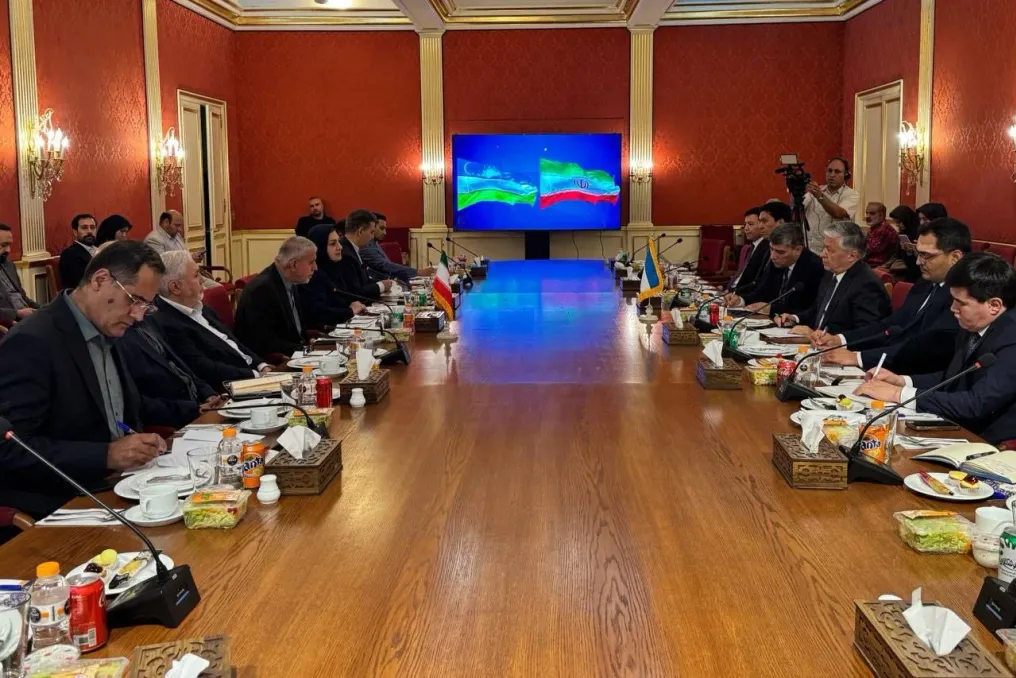
The First Deputy Minister of Foreign Affairs of Uzbekistan, Bahromjon Aloev, met with the Iranian Minister of Cultural Heritage, Tourism, and Crafts, Seyed Reza Salehi-Amiri, in Tehran on August 18, 2026, as reported by the Ministry of Foreign Affairs of Uzbekistan.

During this meeting, high-ranking officials reviewed the current state and prospects for strengthening cooperation in the humanitarian and cultural spheres.

Exchanging Views on Heritage and Tourism

Representatives from both countries exchanged views regarding the preservation and promotion of the common historical and cultural heritage of Uzbekistan and Iran. Special attention was paid to expanding tourism interaction and strengthening joint work between relevant institutions in both countries.

The parties also discussed the possibility of implementing joint projects in the field of culture and tourism, expressing mutual interest in deepening practical cooperation. After the negotiations concluded, representatives of Uzbekistan and Iran agreed to intensify direct contacts between their respective government agencies.

Uzbekistan and Iran plan to increase cargo transportation volumes and trade and economic cooperation
Read more
podrobno.uz

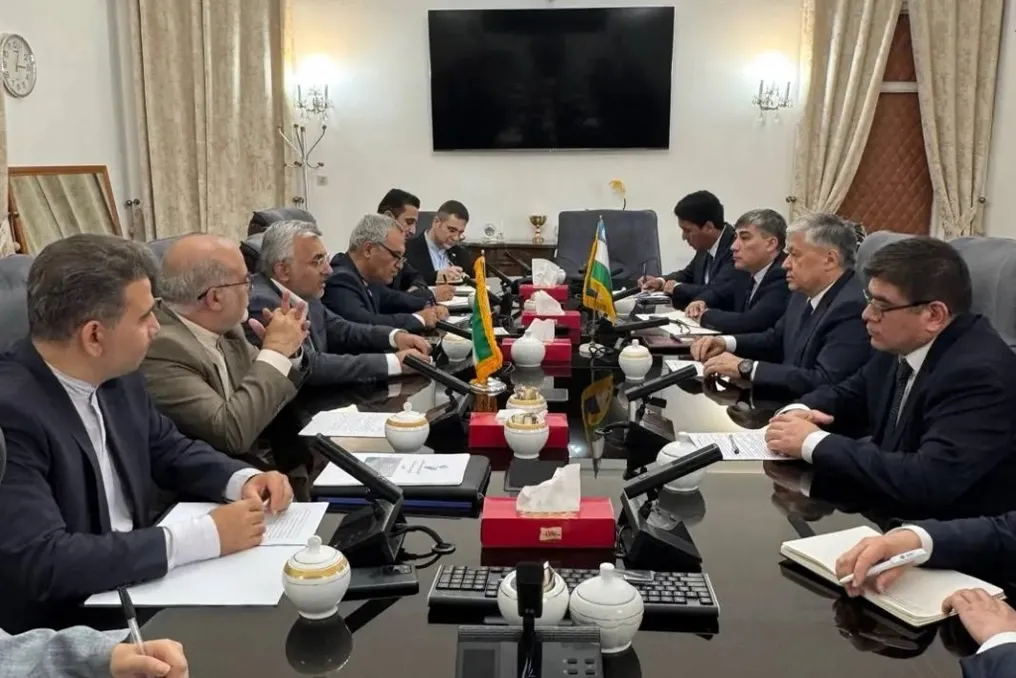
Uzbekistan and Iran plan to increase cargo transportation volumes and trade and economic cooperation

A meeting took place in Tehran on August 17 between representatives of Uzbekistan and Iran. The First Deputy Minister of Foreign Affairs of Uzbekistan, Bahromjon Aloev, met with the Iranian Deputy Minister of Foreign Affairs for Trade and Economic Issues, Kazem Garibabadi.

Discussion of Cooperation

During this meeting, the parties discussed the current state and future prospects of trade, economic, and investment partnership between the two countries. Additionally, issues were considered regarding increasing trade turnover volumes, expanding the list of exchanged goods, and activating contacts between business communities.

The diplomats paid close attention to the development of transport and transit links. Special attention was given to improving the efficiency of existing logistics routes and creating a favorable environment for growing cargo transportation volumes between Uzbekistan and Iran.

Popular