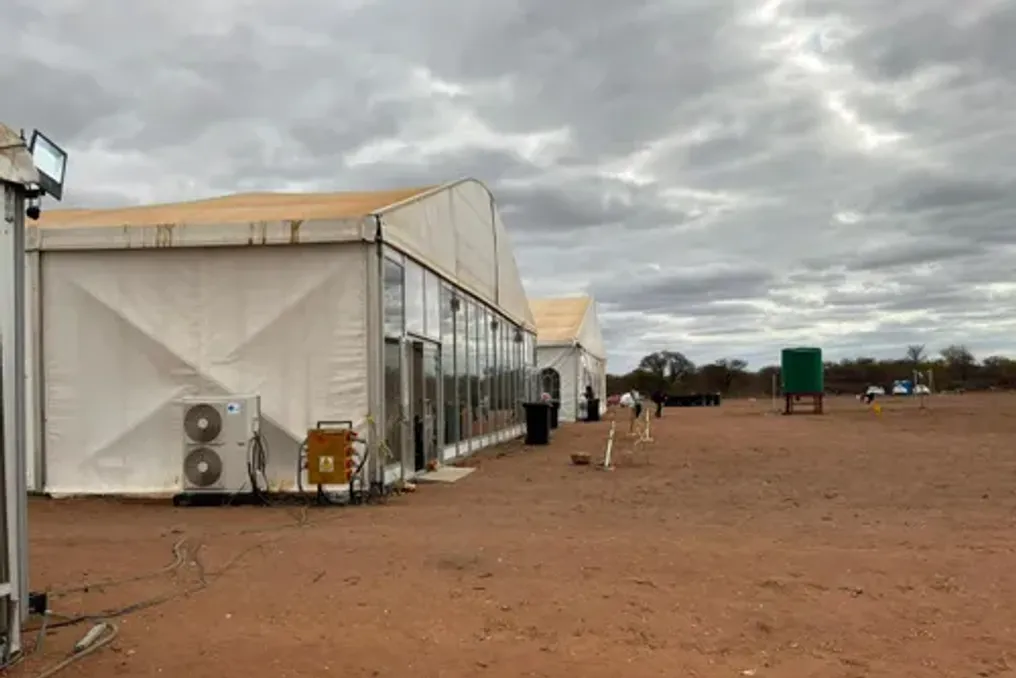
The South African government has officially ceased operations at the Musina Temporary Repatriation Processing Centre, concluding a critical emergency operation during which over 48,000 migrants were processed.
This centre was established on June 26 as a temporary measure to manage increased migration pressure and ensure the legal, orderly, and dignified processing of undocumented migrants requiring assistance for repatriation.
The creation of the centre was a response to growing tension caused by calls to deport undocumented migrants from the country by June 30, which led to a humanitarian crisis in various regions. Thousands of undocumented migrants from Malawi sought refuge in Sherwood Hall in Sedibeng in June, from where they were subsequently transferred to the Durban Drive-In Site repatriation point. Similar scenes of migrant flight were observed in other parts of the country, such as the Western Cape and Gauteng.
Deputy Government Press Secretary William Baloyi stated: 'The government has closed operations at the Musina Temporary Repatriation Processing Centre near the Beitbridge crossing in Limpopo.' He specified that the last report on the centre's operation showed that 48,948 foreign nationals were processed there. Of these, 46,744 people, or 95.5%, were classified as border violators, and 2,204 people, or 4.5%, reported arriving through the border post.
Baloyi reported that by July 24, the government had processed a total of 68,138 migrants nationwide due to increased migration pressure that began in June, most of whom were repatriated after passing through the Musina centre. It is worth noting separately that the Border Control Agency reported processing 72,906 repatriation cases across all border posts between June 7 and July 14, including individuals who passed through the Musina centre.
According to Baloyi, the majority of migrants processed through the Musina centre were Malawian citizens, followed by citizens of Zimbabwe and Mozambique.
He explained that the decision to close was based on a sustained decrease in the number of people needing assistance for processing and repatriation. Previously, the government had already reduced the centre's operational capacity from 20,000 to approximately 1,500 since August 1, as migration data showed a continued decline in arrivals over several weeks.
Furthermore, the centre was closed due to decreased demand and the cessation of repatriation support from the Malawian government, which made further operation financially and operationally unsustainable. Baloyi emphasized that the closure of the Musina centre does not automatically mean the transfer of undocumented migrants to the Lindela Repatriation Centre, but Lindela remains an option if necessary.
The formal closure of the centre and the dismantling of its temporary infrastructure were completed on August 21, as documented by government officials. This process marks the end of an era in migration management.
Meanwhile, discussions on migration remain a key focus following the 46th Ordinary Summit of Heads of State and Government of the Southern African Development Community (SADC). At the fourth session of the South Africa-Zimbabwe Bilateral Commission (BNC), held in Pretoria on Friday, Zimbabwean President Emmerson Mnangagwa stated that while migration is a complex phenomenon, they believe that continuous diplomatic engagement and dialogue are the best way to find long-term solutions for the benefit of the entire SADC region.
The national broadcaster reported that before the BNC meeting, Minister Khumbudzo Ntshavheni announced that South Africa, as SADC Chair, would hold a regional summit on migration to discuss the protocol on regional integration and address issues of security, protection, and communication related to migration.
In KwaZulu-Natal, the mayor of the uMkhanyakude local municipality, Lwanda Madikizela, noted during a gathering of senior citizens that March cannot be blamed, as this group identified problems that the government failed to solve.