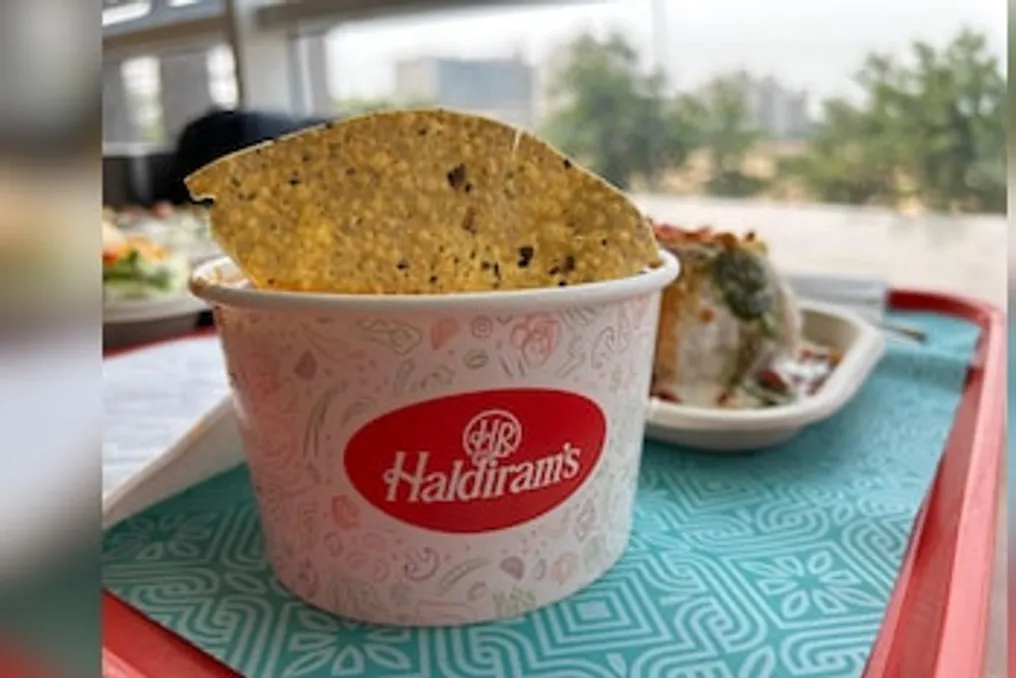
Haldiram Snacks (Haldiram’s), one of India's largest companies in packaged snacks and food products, has announced plans to invest 1000 crore rupees in establishing a new manufacturing facility in the state of Odisha. The company intends to implement the project in three phases for its savory snacks and bakery division.
The state government has already approved the first phase investment of 500 crore rupees during a recent state-level single-window clearance body meeting. Although the exact location has not yet been determined, the facility is expected to be built in the Khordha-Katka region and become one of the largest snack and bakery production centers in Eastern India.
Investment Agreements and Food Industry Development
Haldiram’s was among nine major companies that signed memorandums of understanding with the Odisha government during a recent investor summit in New Delhi. The Odisha FoodPro 2026 summit secured commitments for over 6000 crore rupees in food processing investments, while a broader Delhi-National Capital Region (NCR) industrial initiative attracted investment proposals worth 66,392 crore rupees across various sectors.
For Haldiram’s, the proposed plant in Odisha will mark an expansion of its production base as the company increases its product range and strengthens its domestic and international supply chains. Founded in Bikaner in 1937, the company relocated to Delhi and Nagpur in the early 1980s, subsequently building manufacturing units in key locations such as Nagpur, Noida, Rudrapur, Delhi-NCR, and Howrah. Today, its products include traditional namkeens and sweets, as well as Western snacks, ready-to-eat and frozen foods, baked goods, and beverages.
Competition and New Players in the Odisha Market
Besides Haldiram’s, other major investment plans have emerged in Odisha. Coca-Cola, an existing player in the state, has proposed further expansion with an investment of 300 crore rupees in another soft drink manufacturing unit. Balaji Wafers and Let’s Try have also announced plans to invest 200 crore rupees each, while Beyond Snack, known for its banana chips from Kerala, plans to invest 150 crore rupees to establish production in the state.
The proposed investments from Balaji add another national brand to the emerging food processing cluster in Odisha. This cluster includes companies such as ITC, Nestlé, Parle, Britannia, Indo Nissin, Hindustan Unilever, Reliance, and Tata Consumer Products, as well as Varun Beverages. Balaji already has a strong presence in the Indian packaged snack market, and the announced investments will increase production capacity for packaged namkeens, wafers, and other convenient consumption products.
Let’s Try, a relatively young food brand known for peanut butter snacks, is actively expanding its production and distribution capabilities. These investments will allow this growing brand to establish a larger manufacturing base as part of its push beyond existing markets.
Government Support and Regional Potential
Odisha produces a wide range of raw materials with processing potential, including rice and other cereals, sorghum, cashew, jackfruit, mango, sweet potato, turmeric, chili pepper, mushrooms, corn, spices, and dairy products. The state government has identified these products for deeper processing, packaging, branding, and value addition. Plans have been announced to create five food parks that will provide an ecosystem for companies, enabling them to transform local agricultural and traditional products into nationally recognized brands.
Hemant Sharma, Additional Minister for Industries in the Odisha government, noted that such an ecosystem will give fast-moving consumer goods companies access to raw materials, labor, markets, and logistics, while allowing them to source more resources locally. Sharma told Business Standard: 'The government is creating an ecosystem where large food processing companies, suppliers, farmers, logistics operators, cold chain providers, and small businesses can operate around a common infrastructure. This will help link processing units with agricultural production centers.'