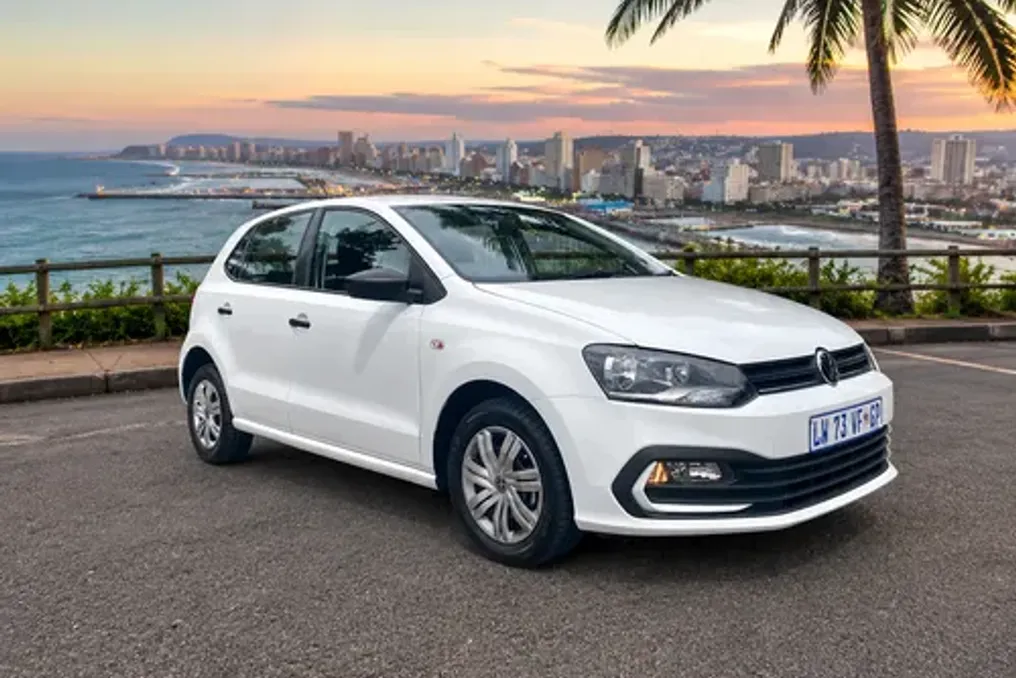
Base models remain popular in South Africa: Top 20 best-selling variants in Q2 2026
Read more
IOL
iol.co.za

Base models remain popular in South Africa: Top 20 best-selling variants in Q2 2026

There is sustained demand for basic vehicle versions in South Africa, reflecting the local residents' desire to achieve maximum value. This trend is evident not only in the rise of sales of affordable models from Chinese and Indian manufacturers but also in the selection of specific trims.

According to sales data for the second quarter of 2026, provided by Lightstone Auto to IOL, the most sought-after variants among buyers in the country can be identified.

Although the Toyota Hilux model is the best-selling line in South Africa, its most popular variant ranked only 12th on the sales leaders list.

The top position in the ranking was held by the base model Volkswagen Polo Vivo 1.4, which sold 3,982 units in the second quarter, corresponding to an average of over 1,300 vehicles per month.

Following these are models such as the Hyundai Grand i10 1.0 Premium, Chery Tiggo 4 Cross 1.5 LiT CVT, Suzuki Ertiga 1.5 GA, and Toyota Urban Cruiser 1.5 XR auto.

Data analysis revealed certain trends: four out of five top variants and six out of ten top sellers are base specification models. Although the initial hypothesis might have pointed to fleet sales influence, this does not explain the whole picture, as rental sales typically account for 5% to 11% of total sales, and corporate purchases for less than 3%.

In addition to the preference for base versions, Lightstone data also highlights the growing interest of South Africans in automatic transmission vehicles. Twelve of the top twenty best-selling variants are equipped with automatic transmissions, including CVTs and dual-clutch systems. This is an increase compared to seven such models in the first quarter of 2026.

Furthermore, high-end vehicles manufactured in India and China are gaining popularity, accounting for 16 of the top 20 variants, including Toyota, Suzuki, and Hyundai models assembled in India.

New car sales volume in South Africa shows an upward trend in 2026, reaching a monthly peak in July in the last 12 years. Among the most popular brands in South Africa are Toyota, Suzuki, Volkswagen, Hyundai, and Ford.

Similar stories

Possible Return of South Africa to Investment Grade Rating by 2028 and Its Economic Impact
Read more
iol.co.za

Possible Return of South Africa to Investment Grade Rating by 2028 and Its Economic Impact

According to Investec data, South Africa may restore its investment-grade credit rating by 2028. This would mark a significant turnaround after more than a decade during which the country held a rating below the investment threshold.

Investec's Asset Allocation Committee in South Africa believes there is a reasonable probability of achieving investment grade status in 2028. This would allow the country to exit the 'junk' rating category, which characterizes South Africa as a less reliable debt payer, leading to higher interest rates on borrowings.

Previously, S&P Global Ratings upgraded South Africa's rating last November, which was the first such change in two decades. Moody's confirmed its rating in May 2026 but changed the outlook to positive, while Fitch upgraded the country's rating by one notch in June.

At the time, Moody's noted that 'the positive outlook reflects South Africa's gradually strengthening fiscal efficiency and unwavering commitment to structural reforms, with prospects for increasingly tangible results.'

What This Means

An upgrade to investment grade should make government borrowing cheaper, as well as improve conditions for companies and consumers when obtaining loans. The company 1life indicated that consumer benefits could include job retention. The unemployment rate in South Africa rose to 33.6% in the second quarter compared to 32.7% in the previous quarter, resulting in the loss of 345,000 jobs.

The insurance company also emphasized that benefits could appear in managed debt expenses, preservation of the value of assets such as pension contributions, real estate, and other savings, as well as no reduction in disposable income. The main rate is currently 10.5%, with the South African Reserve Bank having raised the rate in May but deciding to keep it unchanged last month.

Work Still Ahead

However, according to Chief Economist at the Bureau for Economic Research, Lisette Issel de Schapper, the rating transition is currently driven mainly by improvements in the fiscal position. The next stage will require stronger economic growth and continued structural transformations.

South Africa's real GDP grew by 0.5% in the first quarter of 2026, up from 0.4% in the last quarter of 2025. In 2025, the economy grew by 1.1%, averaging about 1% annually over ten years. The consensus forecast for 2026 is moderately between 1.0% and 1.4%, with slightly faster growth expected in 2027 within the range of 1.4% to 1.7%.

Positive factors influencing growth include improvements in the power grid, private sector participation in transport and logistics, and declining inflation—although it rose due to the Middle East war. Risks cited include weakened global demand for commodities if metal demand changes, volatility in global oil prices, and limited domestic fixed investment.

Poor Governance

Director of ETM Analytics and Head of Research George Glynnos warned via Moonstone that years of mismanagement and poor management in some state institutions have created liabilities that remain outside core debt metrics but could ultimately put pressure on public finances. Glynnos stated: 'There is a lot of off-balance sheet work that needs to be done, which I think South Africa still needs to focus on, and that, I think, is South Africa's Achilles' heel right now.'

This occurs while the National Treasury is trying to resolve serious issues in several major cities, with failures reflected in Auditor General reports noting aspects such as unauthorized spending. Nevertheless, Investec still considers the achievement of investment grade by 2028 possible, pointing to improving economic growth, the rand's approach to fair value, and greater energy stability as key factors in its view.

Popular