Central Bank of Uzbekistan is ready to respond to inflation risks
Read more
UzDaily
uzdaily.uz

Central Bank of Uzbekistan is ready to respond to inflation risks

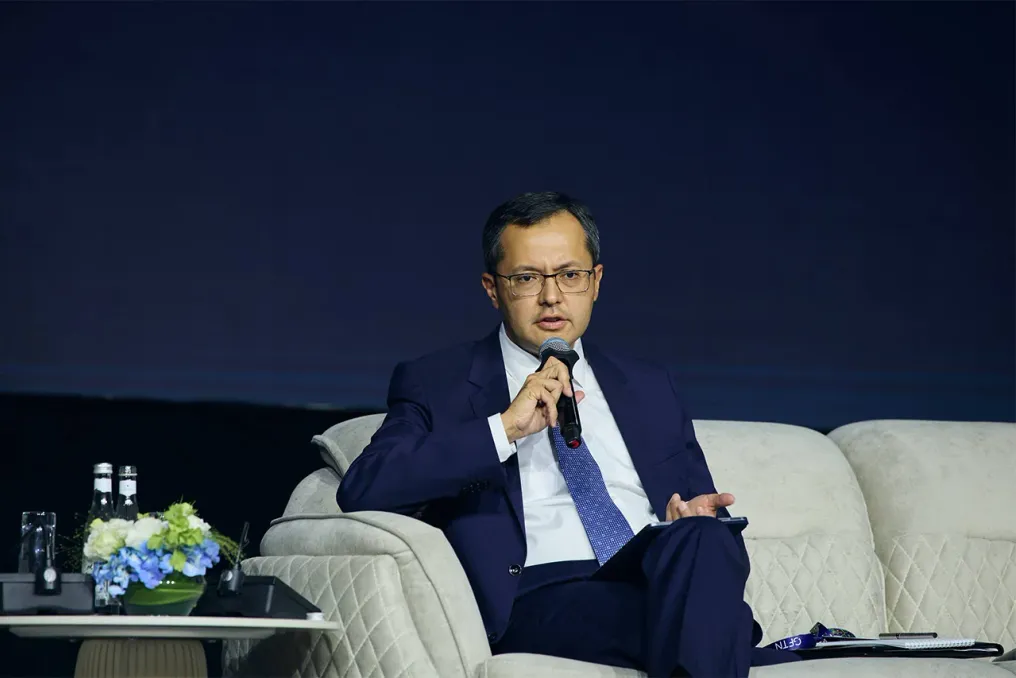
The Chairman of the Central Bank of Uzbekistan, Timur Ishmetov, stated that the central bank must maintain readiness to respond both to further deceleration of inflation and to rising inflationary risks. These statements were made by him at the Silk Road Finance and Technology Forum in Tashkent on August 24, 2026.

Ishmetov emphasized that the central bank's activities are inextricably linked to current risks arising from global economic uncertainty and external shocks. He noted that the regulator should transition from basic risk management to strengthening the overall stability of the financial system in the face of constant market volatility.

To enhance financial stability, the Central Bank intends to increase buffer reserves while closely monitoring global commodity markets, especially trends in oil and food prices.

Although recent changes in external oil and food prices have not yet had a direct impact on Uzbekistan, Ishmetov stressed the need for a thorough assessment of potential secondary consequences. These transmission channels manifest when global price fluctuations penetrate the domestic economy through increased production costs, heightened inflationary expectations, and higher domestic consumer prices.

Ishmetov confirmed that the central bank will maintain full operational readiness to take decisive monetary measures in any direction to fulfill its primary mandate of ensuring stability.
Similar stories

Central Bank of Uzbekistan to Present Currency Intervention Strategy and Capital Liberalization Plan
Read more
uzdaily.uz

Central Bank of Uzbekistan to Present Currency Intervention Strategy and Capital Liberalization Plan

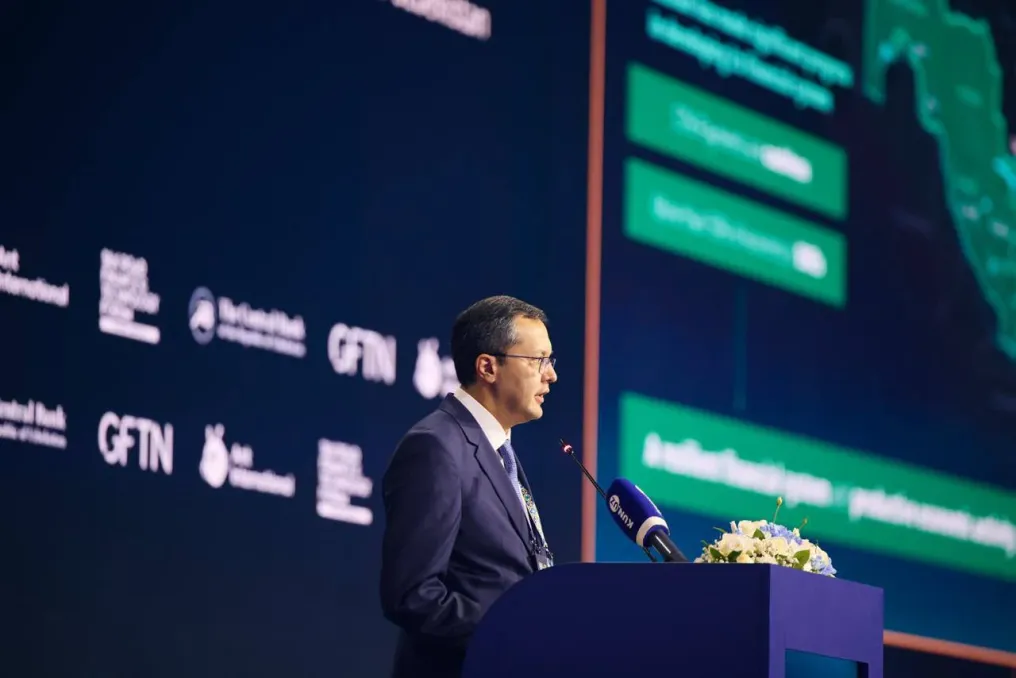
The Chairman of the Central Bank of Uzbekistan, Timur Ishmetov, announced that the regulator intends to publish its currency intervention strategy for the first time, as well as disclose the sequence of further capital account liberalization. This statement was made in Tashkent during a panel discussion at the Silk Road Finance & Technology Forum.

According to Ishmetov, the regulator's goal is to increase operational transparency and improve communication amid global external factors, including ongoing international conflicts. In July, the International Monetary Fund completed an assessment of the Central Bank's transparency using the Central Bank Transparency Code methodology, the results of which will be published.

The first step toward increasing transparency will be the publication of the intervention strategy. Ishmetov specified that although Uzbekistan operates under a floating exchange rate recognized by the IMF, the Central Bank remains an active player in the foreign exchange market as a major gold buyer. The regulator sells foreign currency to sterilize excess liquidity of the national currency that arises from purchasing gold from local producers.

Ishmetov emphasized that the intervention strategy is being prepared for publication to clarify the regulator's market presence to market participants. He stressed that interventions occur exclusively as a result of gold purchase operations, not with the aim of achieving a specific exchange rate. Furthermore, the Central Bank plans to outline and publish a plan for upcoming reforms concerning capital account liberalization to address current market questions.

Uzbekistan aims to obtain investment rating and join the WTO
Read more
uzdaily.uz

Uzbekistan aims to obtain investment rating and join the WTO

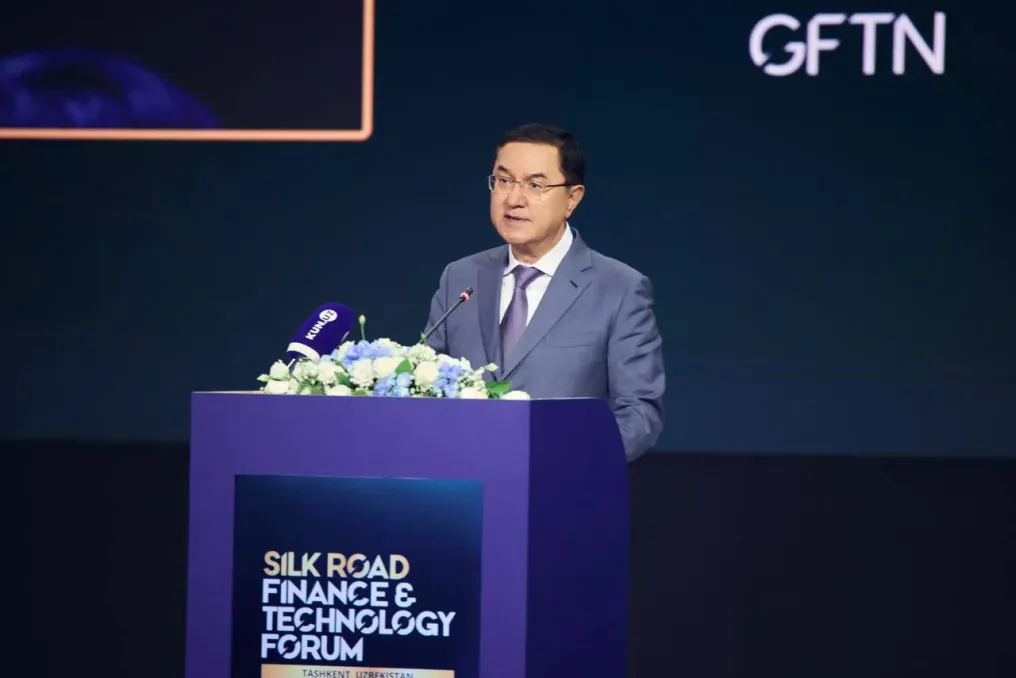
Deputy Prime Minister and Minister of Economy and Finance Jamshid Kuchkarov stated on August 24 at the Silk Road Finance and Technology Forum in Tashkent that Uzbekistan strives to obtain an investment-grade credit rating and complete the process of joining the World Trade Organization.

According to Kuchkarov, the economy of Uzbekistan has shown significant growth in recent years. The average annual GDP growth was about 6–7%, and the total size of the economy increased from approximately 60 billion US dollars to 180 billion US dollars. Meanwhile, GDP per capita grew from approximately 1,900 US dollars to 4,600 US dollars, allowing Uzbekistan to enter the group of high-income countries.

The Minister also noted the decrease in the inflation rate. He reported that after a period when inflation was in double-digit figures, it has now fallen to single-digit levels. Inflation is expected to reach approximately 6.5% by 2026, with the target for next year being a reduction to 5%.

Kuchkarov specified that external public debt remains at about 27% of GDP, and the budget deficit has been kept below 3% of GDP in recent years. The government sets goals for further reducing inflation to the target level, maintaining fiscal discipline, and keeping state debt at a sustainable level.

Furthermore, the authorities plan to create more favorable and predictable conditions for market participants and investors. Kuchkarov emphasized that achieving these goals should strengthen the position of the private sector, promote Uzbekistan's further integration into the world economy, and expand opportunities for both domestic and foreign investors.

The Minister also highlighted the development of the financial system and fintech. As part of structural reforms, the government intends to build a modern, competitive, and inclusive financial system integrated with the global economy. He noted that such a system should facilitate the reduction of barriers through technology, encourage innovation, and ensure trust protection.

The importance of regional and international cooperation, as well as connectivity improvement, was also stressed. In Kuchkarov's opinion, financial technologies can stimulate economic growth by accelerating capital movement and distribution, expanding access to financial services for businesses and individuals, and ensuring more efficient use of financial resources.

Popular