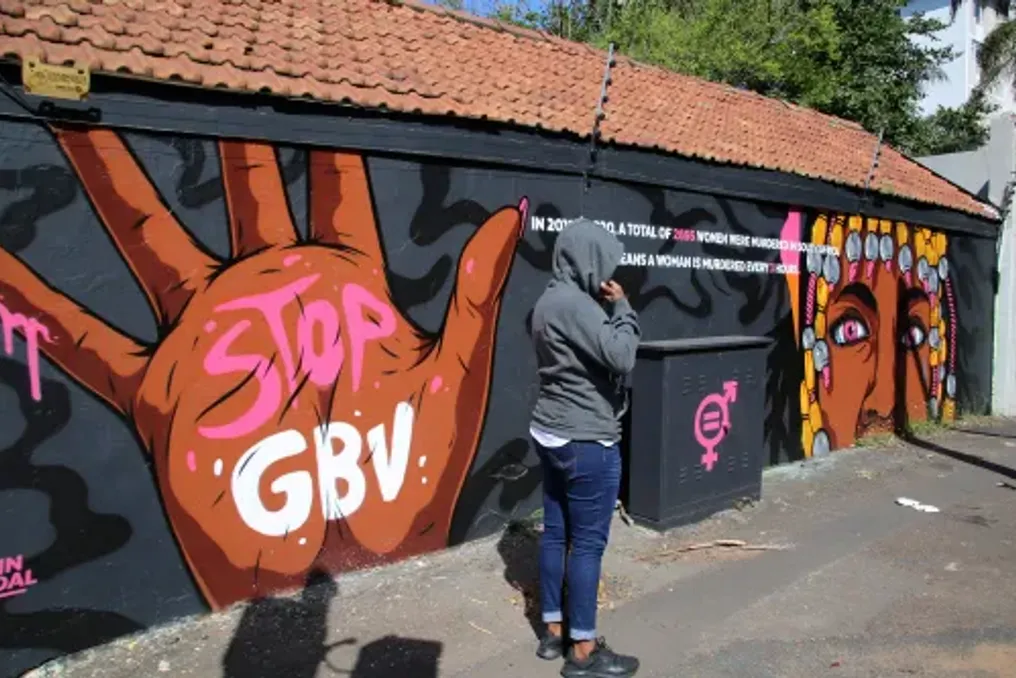
According to the latest police statistics, the Western Cape has become the third most dangerous region in South Africa for women. The release of this alarming police data for the 2025/26 financial year has once again drawn attention to South Africa's fight against gender-based violence and femicide (GBVF).
The current Minister of Police, Professor Firoz Kachalia, reported that 50,511 cases of GBVF were registered with the South African Police Service (SAPS). Of these, 30,736 cases resulted in arrests or the submission of materials to the National Prosecuting Authority.
There were 7,951 incidents recorded in the Western Cape. This number places the province after KwaZulu-Natal (9,412 cases) and Gauteng (8,933 cases), while the Eastern Cape has 7,638 registered cases.
During a parliamentary response to a question by Gugulethu Mchunu from the MK party, Kachalia detailed the GBVF statistics for 2025/26, including data on arrests and court proceedings. He also presented plans to improve investigation and conviction rates.
Kachalia emphasized that to enhance the effectiveness of investigations and convictions, police leadership must address identified problems and support investigators regarding forensic evidence and criminal record services, thereby strengthening the quality and results of inquiries.
At a recent Women's Day celebration, activist Sophie de Bruyn expressed regret over the ongoing threat of GBV, noting that today's violence and oppression of women sharply contrast with the freedom fought for by her and other march participants in 1956.
Last year, President Cyril Ramaphosa declared GBVF a national problem. He noted that social partners agreed that exceptional and coordinated measures are required to end this phenomenon.
Despite government officials outlining new measures to strengthen investigations and convictions, activists warn that the presented figures only superficially reflect the deepening crisis in the country.