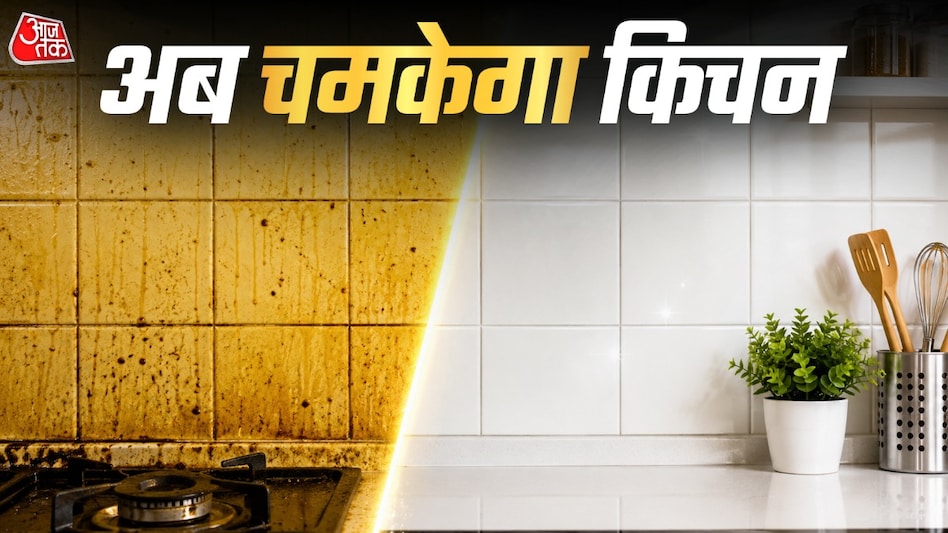
Ways to clean kitchen tiles from yellow stains and grease using household remedies
Read more
Aaj Tak
www.aajtak.in

Ways to clean kitchen tiles from yellow stains and grease using household remedies

While cooking in the kitchen, yellow layers and stubborn grease accumulate on the tiles due to splashes of oil, spices, and steam. These contaminants are difficult to remove with regular water or a cloth. If your kitchen tiles have become dirty and sticky, here are simple methods that will restore their mirror-like shine in minutes.

Cleaning Kitchen Tiles

There are several effective ways to combat ingrained grease and yellowing on tiles.

1. The Magic Solution of Baking Soda and Vinegar

This is one of the most popular and effective methods for removing stubborn grease and yellowing from tiles. To prepare the paste, take two tablespoons of baking soda in a bowl and add a little white vinegar until you get a thick mixture. This mixture must be carefully applied to the yellow and sticky areas of the tiles and left for 10–15 minutes to allow it to dissolve the grease.

Afterward, gently scrub the surface with a non-scratch scraper or sponge, and then wipe it with a damp cloth or clean water.

2. Dishwashing Liquid and Hot Water

This method is the simplest for daily cleaning or removing light oil traces. To prepare the solution, pour hot water into a spray bottle and add 1–2 teaspoons of dish soap. Spray this solution onto the dirty tile and leave it for 10 minutes.

Next, the tile can be cleaned with a sponge or a cotton cloth. The combination of hot water and detergent instantly dissolves oil and grease.

3. Homemade Lemon and Salt Recipe

Lemon contains natural acid, which effectively removes yellow stains and grease. To use this method, cut the lemon in half and generously sprinkle it with salt. Then, gently rub the affected area of the tile with this lemon. After rubbing the tile for some time, it should be wiped with a damp cloth, which will restore the tile's shine and leave a fresh scent in the kitchen.

4. Baking Soda and Lemon Paste

This option is very effective for removing old and hardened yellow stains. Prepare a paste by mixing two tablespoons of baking soda with fresh lemon juice. Apply this paste to the tile and allow it to undergo a chemical reaction. After 10 minutes, clean it with a scraper and rinse with water.

Important Tips for Maintaining Cleanliness

To keep kitchen and home tiles clean, it is recommended to wipe the tiles behind and in the kitchen lightly with a damp microfiber cloth, dampened with a small amount of detergent, after cooking every evening. This prevents the formation of thick layers of dirt.

It should also be avoided to use vinegar directly on natural marble or granite, as the acid can dull the shine of these materials.
Similar stories

Expert Tips for Cleaning Burnt Pans: Simple Methods to Restore Dish Shine
Read more
www.aajtak.in

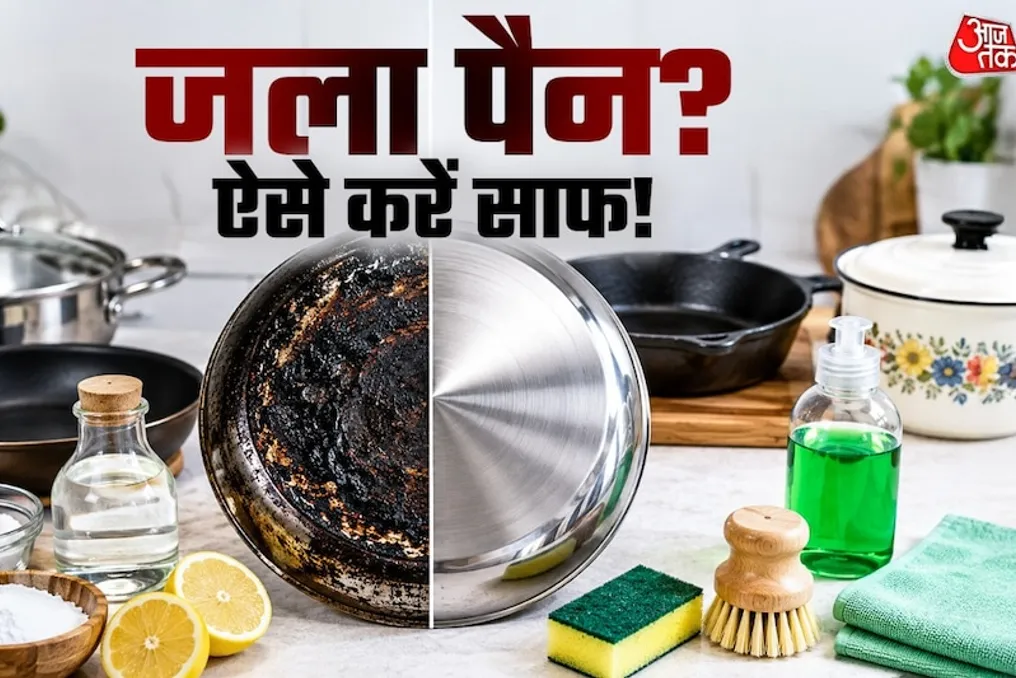
Expert Tips for Cleaning Burnt Pans: Simple Methods to Restore Dish Shine

When cooking in the kitchen, it often happens that forgotten items cause pans or pots to burn. Sometimes food sticks so heavily to the bottom that cleaning it takes many hours. In such cases, people tend to consider it a problem and even think about throwing away the dishes, but this is not necessarily true.

According to culinary and cleaning experts, expensive cleaning agents are not required to clean burnt cookware. Using some household items and following the correct washing technique allows you to restore the shine of the pan. However, there is no universal method for all types of dishes.

It is necessary to determine the material of the pan

Before starting to clean burnt cookware, it is crucial to find out what material it is made of. The cleaning methods must differ for stainless steel, non-stick, cast iron, and enameled pans.

Excessive scrubbing on non-stick surfaces can damage their coating, and overly aggressive cleaning of cast iron can lead to the loss of its seasoning.

Cleaning methods depending on the type of dish

Start with baking soda: If the layer of burnt food is not too thick, you can start by using baking soda. To clean such a pan, add a little water and soda, then heat it over low heat. After heating, the burnt product will begin to flake off. Then, after cooling the pan, gently wipe it with a soft sponge. This method is especially effective for stainless steel cookware.

The help of vinegar: For more heavily burnt pans, you can heat equal parts of water and vinegar in them for some time. This helps loosen stuck grease. Afterward, wash and clean thoroughly with a soft sponge; if necessary, you can add baking soda.

What to do with stainless steel pans

If blue, yellow, or dark spots appear on stainless steel after burning, you can use a light cleaning powder. However, excessive amounts of powder or harsh scrubbing should be avoided. Mix a little powder with water to form a paste and gently rub the soiled area.

Important: Do not use intensive cleaning on non-stick pans

If burnt grease appears on non-stick cookware, do not use steel wool or rough scrapers, as this can leave scratches on the coating. In such cases, it is recommended to pour hot water with a small amount of detergent and let it sit for some time. Then, carefully clean with a soft sponge.

Salt is a simple way for cast iron

Cleaning cast iron requires a special approach. To remove burnt food, you can use coarse salt. When the cast iron is slightly heated, sprinkle coarse salt into it and add a little oil, then gently rub. If necessary, the softened dirt can be removed with a wooden spoon or spatula.

Using a metal scraper

If dirt is very heavily stuck to a cast iron pan, a metal scraper can be used. It helps remove the hardened layer and, when used correctly, does not cause much damage to the seasoning. However, it must not be used on non-stick or other fragile surfaces.

Removing stuck food with a wooden spatula

If burnt food has softened with water or soap, instead of scraping it with metal objects, use a wooden spatula or spoon. This minimizes the risk of scratching the surface.

Drying cast iron after washing

Simply washing cast iron cookware is not enough; it is critically important to dry it thoroughly. Any moisture can cause rust. After washing, wipe the cookware with a cloth, and then, if necessary, leave it on low heat to completely evaporate residual moisture. After that, it is useful to apply a thin layer of oil.

Metal mesh is not suitable for all cookware

A common mistake is using a metal mesh or a rough scraper on any burnt cookware. While this may work for durable cast iron items, it can damage non-stick, enameled, or other delicate surfaces. Therefore, the most important thing when cleaning is to first identify the surface and then choose the appropriate cleaning method.

Bathroom Tile Cleaning Methods: How to Remove Stubborn Stains with Inexpensive Products
Read more
www.aajtak.in

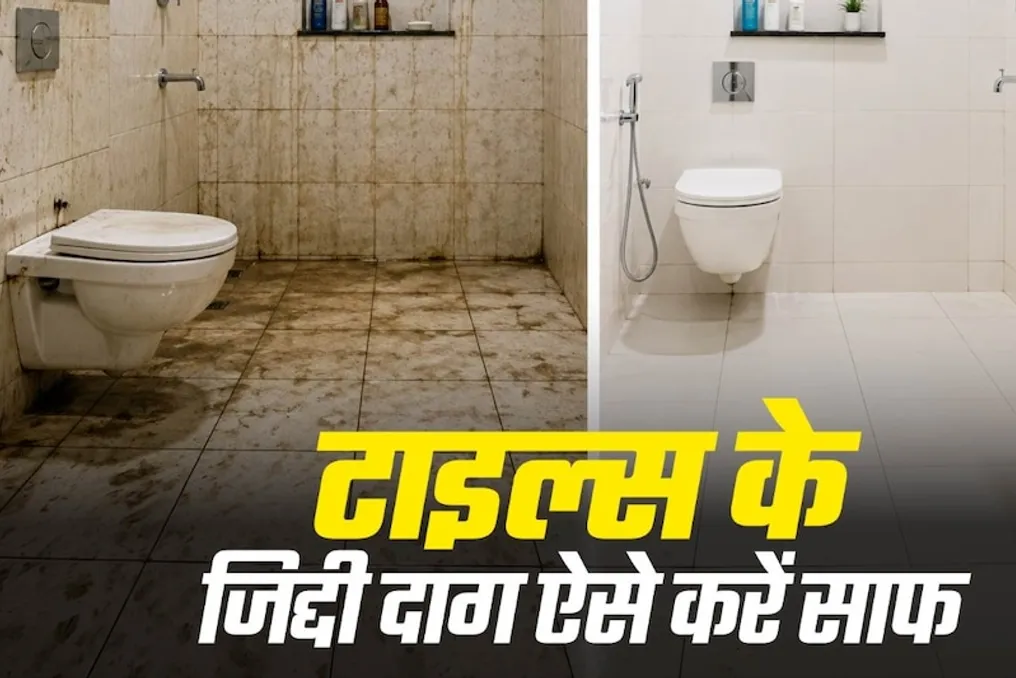
Bathroom Tile Cleaning Methods: How to Remove Stubborn Stains with Inexpensive Products

In areas where water is present, such as bathrooms, kitchens, and toilets, yellow, white from salt water, and dirty gray deposits often form on tiles. This occurs due to constant water usage, soap scum, and salt water. Over time, this buildup becomes so persistent that it cannot be removed with ordinary detergent or water, causing the tiles to look old.

People often resort to using expensive and potentially dangerous acids or products like Harpic, which can harm the skin and respiratory tract. However, there is a simple and budget-friendly home method that allows you to give the tiles a mirror-like shine without heavy scrubbing or much effort, using only an inexpensive ingredient.

Tips for Cleaning Bathroom Tiles:

Cleaning with Baking Soda and Dish Soap

Take a packet of baking soda costing about 10 rupees, mix two tablespoons of liquid dish soap or any other detergent with a little warm water to form a thick paste. Apply this paste to the dirty tiles, floor, and faucets in the bathroom and leave it for 10–15 minutes. Then, gently scrub with a plastic scraper or brush and rinse with water. All salt and soap residue will quickly disappear.

Using Baking Soda and Lemon

If yellow and stubborn salt water stains are visible on the tiles, sprinkle one packet of Eno powder onto the affected area. Then, take half a sliced lemon and rub it over the Eno powder. An instant reaction occurs between the Eno and the lemon, which removes accumulated lime scale and dirt. After 5 minutes, rinse the tile with water, and it will become shiny.

Using White Vinegar and Hot Water

Mix half a cup of white vinegar with half a cup of very hot water in a spray bottle. Spray this mixture generously onto the tiles in the toilet and bathroom and leave it for 15–20 minutes. The mild acidity of the vinegar dissolves minerals from the salt water. Afterward, clean the surface with a broom or mop and rinse thoroughly.

Caring for Grout Lines

To clean black dirt and mold accumulated in the tile grout lines, apply a little white toothpaste or baking soda directly onto these lines. Then, work the substance into the grout for one to two minutes with an old toothbrush. The grout will become perfectly white and clean.

Popular