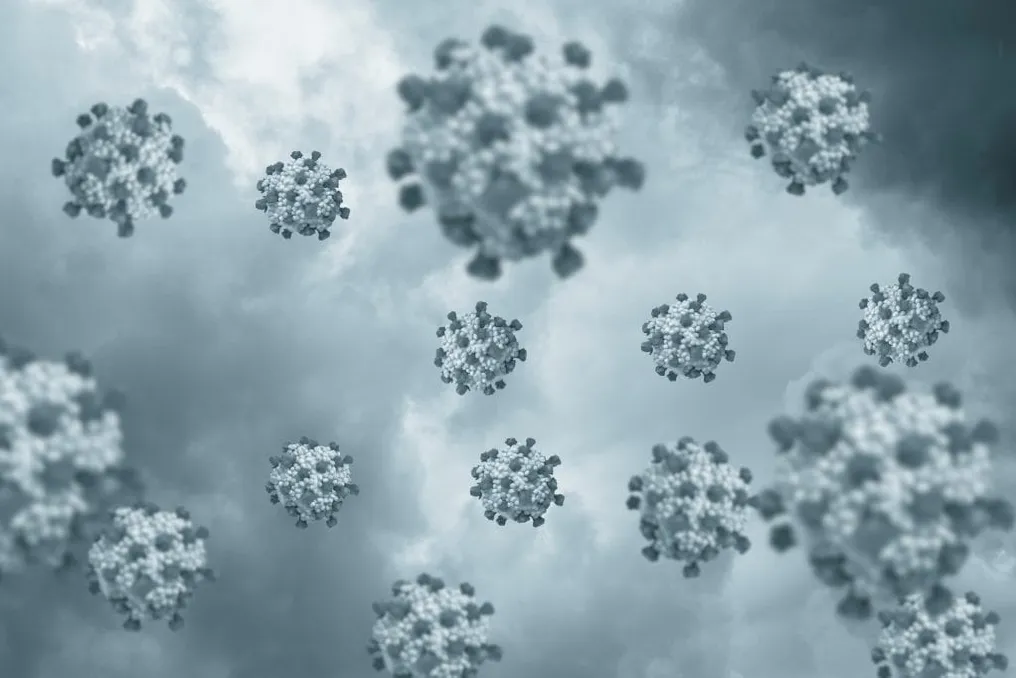
São Paulo has been included among the cities that have contributed to expanding scientific knowledge about viruses present in the environment. As part of an international survey, samples collected in the state capital were added to a set of nearly 3,000 materials analyzed for RNA viruses.
As a result of the work, 54,945 viral species were cataloged, approximately 77% of which were absent from existing scientific databases. This study combined materials from 102 cities in 31 countries and led to the creation of UPVAtlas—a catalog dedicated to viruses found in urban and suburban settings.
The research, published in the journal Nature Communications, included samples from various sources such as hospitals, transport hubs, banks, frequently used surfaces, soil, water, and sewage. The goal was to observe the presence of viruses in these environments without focusing on any specific disease.
One reason for this discovery lies in the traditional approach to studying viruses. A significant portion of accumulated knowledge is based on organisms already linked to specific diseases. Viruses that do not cause known problems receive less attention.
To deepen understanding, researchers directly analyzed the genetic material extracted from the samples. A technique known as metatranscriptomics was used, which allows for the simultaneous sequencing of RNA molecules present in a given environment. This process generates millions of genetic fragments.
To isolate viral components, researchers applied geNomad—a bioinformatics tool developed by Antonio Pedro Camargo, a professor at the USP Chemical Institute and one of the study's authors. Comparing sequences revealed groups of viruses significantly different from those already cataloged. Therefore, the authors hypothesized the existence of two potentially new phyla and a new class of RNA viruses, although these classifications are preliminary as they were determined through computer analysis.
Despite the large number of discovered viruses, around 55 thousand, this does not mean the emergence of new health threats in cities. It was possible to suggest a potential host for only about one-third of the analyzed sequences. Among the results, 60 viruses showed a high probability of human infection, and another 47 were associated with possible infections in other mammals. The survey also identified 166 bacteriophages, which are viruses that infect bacteria.
Furthermore, the study showed that viral diversity varies depending on the environment. Soil and sediment showed great diversity, while urban surfaces had lower species representation. Sewage was an exception and was among the environments with the greatest diversity.
For scientists, this catalog can serve as a starting point for subsequent monitoring of these viral communities. Comparative analysis between different cities and environments will help understand how this diversity changes over time.