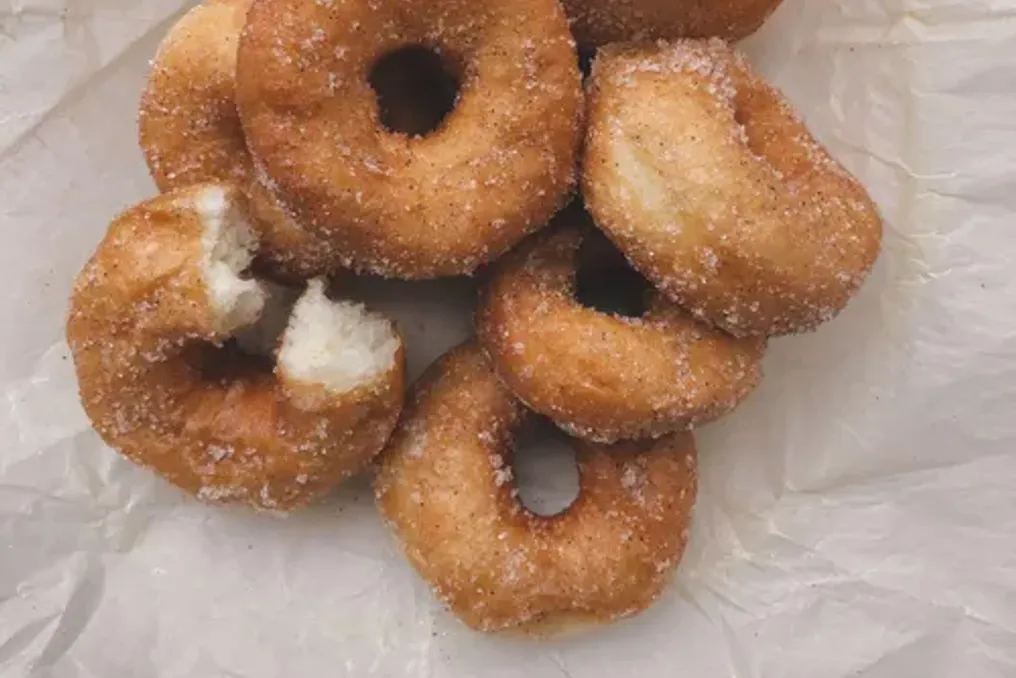
How to make soft cinnamon and sugar donuts at home
Read more
IOL
iol.co.za

How to make soft cinnamon and sugar donuts at home

Making donuts can be a challenging task at home, as they might look beautifully golden on the outside but turn out dense inside. The secret to the softness of these cinnamon and sugar donuts lies in giving the yeast enough time to work and handling the dough gently. This results in a small batch of donuts with a soft, fluffy center and a golden crust coated with a mixture of cinnamon and sugar while still warm.

Recipe for Soft Cinnamon and Sugar Donuts

Ingredients

For the dough you will need: 1 teaspoon of yeast, 3 tablespoons of sugar, 150 ml of warm milk, 1 egg, 315 g of flour, 1 teaspoon of salt, 43 g of softened butter, and vegetable oil for frying.

For the cinnamon and sugar topping

For the topping you will need: 160 g of sugar and 1 teaspoon of ground cinnamon.

Instructions

First, mix the warm milk, yeast, and sugar until combined. Then add the egg and mix thoroughly. Next, stir in the flour, salt, and softened butter, continuing to mix until a dough forms. The dough should be kneaded gently, using a spiral folding technique, several times. Cover the bowl and let the dough rise for about two hours or until doubled in volume.

The risen dough is transferred to a lightly floured work surface and divided into eight equal pieces. Form a ball from each piece. Place each ball on a square of parchment paper and gently flatten it. Make a hole in the center, then cover and let it rise for another 20 minutes.

Heat the oil in a deep pot over medium heat. The oil should be hot enough to fully cook the donuts, allowing them to achieve a golden color, but not burn. Be careful when working with hot oil. Gently lower the donuts into the oil, then carefully remove the parchment paper with tongs. Fry until golden brown on both sides and cooked through. Remove the donuts from the oil and drain them briefly on paper towels.

Mix the sugar and cinnamon in a shallow bowl. While the donuts are still warm, roll them in the cinnamon and sugar mixture, turning them to coat both sides.

Why the dough needs two rises

The first rise gives the yeast time to develop the dough and create the airiness that makes yeast donuts soft rather than heavy. The second, shorter rise occurs after shaping the donuts. It provides them with an extra opportunity to become light and fluffy before they go into the oil. It is important not to rush either stage; if the dough has not increased by about double during the first rise, it should be given more time instead of proceeding to shaping.

How to keep donuts soft

There may be a temptation to add extra flour if the dough seems soft or slightly sticky. You should avoid adding too much. An overly dense dough will result in heavier donuts. Butter and egg also contribute to a tender texture, while yeast helps give the finished donuts their characteristic lightness. Once the dough has risen, handle it gently, rather than aggressively squeezing out all the air.
Similar stories

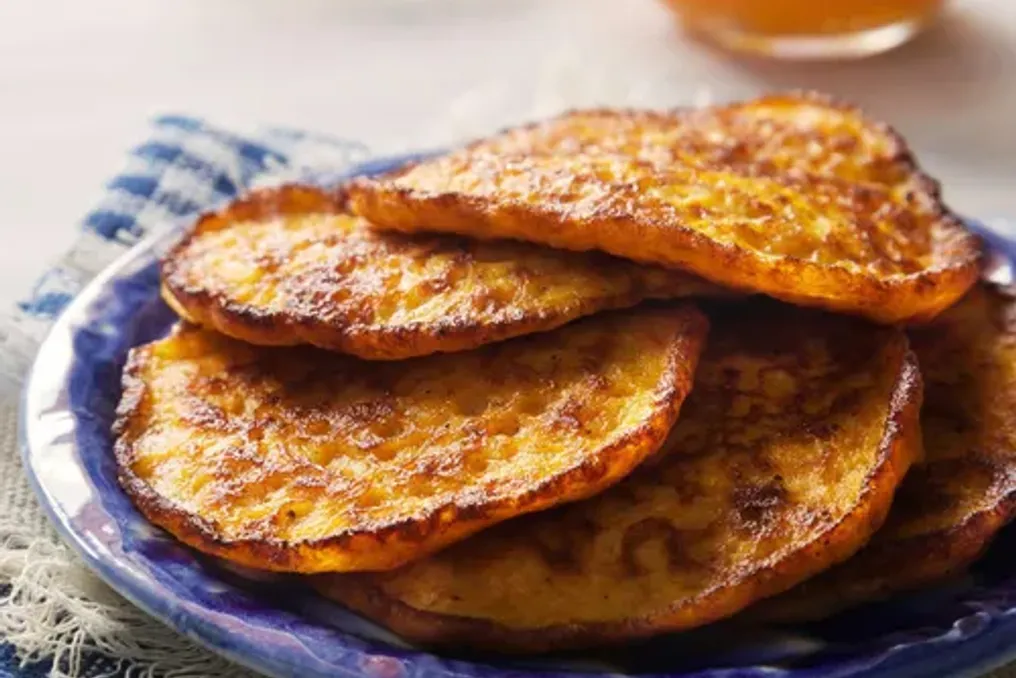
Simple recipe for South African pumpkin pancakes with cinnamon and sugar
Read more
iol.co.za

Simple recipe for South African pumpkin pancakes with cinnamon and sugar

Pumpkin pancakes are a sweet treat that is easy to make. These pancakes have gained popularity on South African tables, often served with home-cooked meals or as a warm dessert.

Known as pampoenkoekies, they are simple to prepare and do not require a large number of ingredients or complex steps. The key is achieving the correct consistency of the pumpkin mixture so that the pancakes hold their shape in the pan and develop slightly browned edges. This recipe maintains simplicity by finishing the process by dusting the pancakes with cinnamon sugar while they are still warm.

Simple Pumpkin Pancake Recipe

Ingredients

  • 500g steamed and cooled pumpkin
  • 2 beaten eggs
  • 120g cake flour
  • 1 tsp baking powder
  • A pinch of salt
  • Vegetable oil for frying
  • Butter for frying
  • Cinnamon sugar for coating

Instructions

  1. Mash the cooled, steamed pumpkin.
  2. Add the beaten eggs and mix thoroughly.
  3. Sift the cake flour, baking powder, and salt. Mix until all components are combined.
  4. Heat a little butter and vegetable oil in a frying pan.
  5. As soon as the mixture starts sizzling, spoon the batter into the pan, leaving enough space between them.
  6. Fry until lightly browned on one side, then flip and cook the second side.
  7. Remove the pancakes from the pan and place them on a paper towel to remove excess fat.
  8. Sprinkle with cinnamon sugar and serve warm.
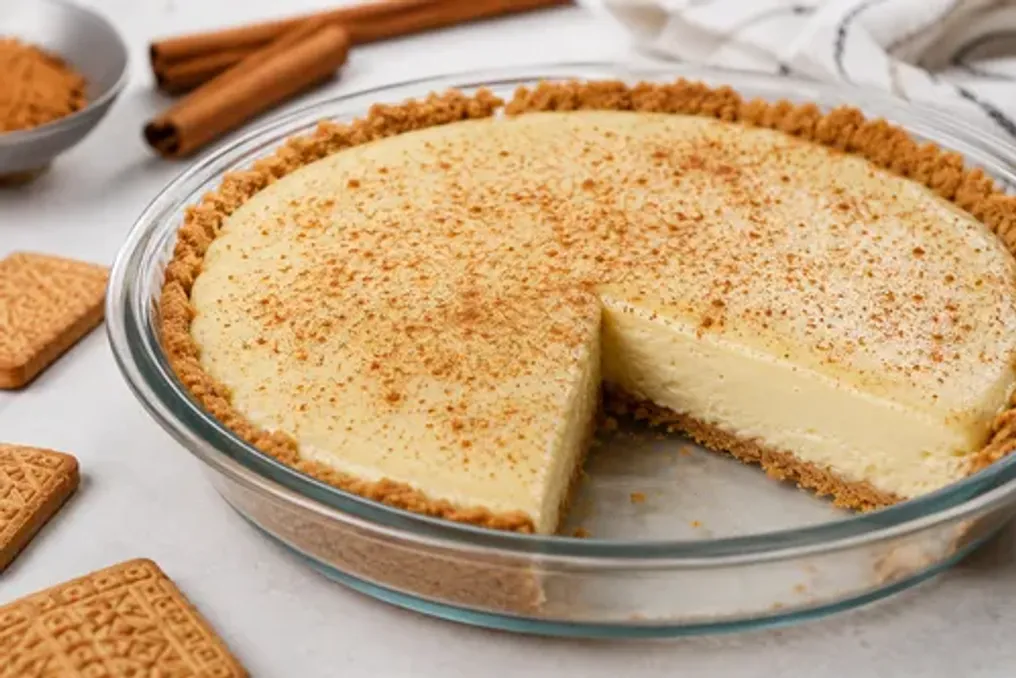
No-Bake Milk Tart Recipe on a Shortbread Base with Creamy Cinnamon Custard Filling
Read more
iol.co.za

No-Bake Milk Tart Recipe on a Shortbread Base with Creamy Cinnamon Custard Filling

The no-bake milk tart is a simplified version of the traditional milk tart. This recipe is ideal for those who love milk tart but do not want to deal with making complex pastry or using an oven.

The shortbread base is made by mixing crushed biscuits with melted butter. The classic filling for a milk tart is cooked on the stovetop. Condensed milk provides sweetness and richness to the filling, while cinnamon and vanilla give it a familiar South African style flavor.

After the filling is poured into the base, the process is completed in the refrigerator. The tart needs to sit for several hours to set, resulting in a creamy milk tart that can be sliced and served without baking.

Ingredients

For the shortbread base

  • 200g Tennis biscuits, or tea, digestive, or Graham crackers
  • 90g melted butter

For the milk custard filling

  • 1 tbsp butter
  • 2¼ cups milk
  • ½ cup cream
  • 1 can condensed milk (385g)
  • 1 cinnamon stick
  • 2 tsp vanilla extract
  • 2 large eggs
  • 65ml water
  • 45g cornstarch
  • ½ tsp salt
  • 1 tbsp ground cinnamon, plus extra for dusting

Instructions

  1. Crush the biscuits into fine crumbs using a food processor or place them in a sealed bag and crush them with a rolling pin.
  2. Mix the crumbs with the melted butter, stirring thoroughly until the butter is evenly distributed, so the mixture holds together when pressed.
  3. Transfer the shortbread mixture into a 23cm round pie dish or a baking pan with sides. Press it firmly into the bottom and around the edges, trying to make the layer as even as possible.
  4. Place the base in the refrigerator while you prepare the filling.
  5. For the custard, grease the inside of a medium saucepan with butter. Add the milk, cream, condensed milk, cinnamon stick, and vanilla extract.
  6. Heat over medium heat until the mixture is hot and begins to simmer slightly.
  7. While the milk mixture is heating, whisk the eggs with water in a separate bowl. Add the cornstarch and salt, whisking until smooth.
  8. Reduce the heat under the saucepan and slowly pour in the egg mixture, stirring constantly with a whisk.
  9. Continue cooking and stirring until the custard thickens; this will take several minutes. The mixture should be thick and creamy, yet still pourable.
  10. Remove the cinnamon stick and take the custard off the heat.
  11. Take the shortbread base out of the refrigerator and pour the warm custard into it. Level the surface, then generously sprinkle with ground cinnamon.
  12. Let the tart cool before covering it and placing it in the refrigerator.
  13. Chill for at least four hours or overnight for a firmer set.
  14. Before serving, take the tart out of the refrigerator a few minutes, then slice and serve, optionally sprinkling with extra cinnamon.

What should the custard consistency be?

The custard should thicken noticeably before being poured into the shortbread base, but it should not be so thick that it is difficult to pour. It will firm up considerably during chilling. If cooked too long, trying to make it very thick, the filling may become heavy.

The simplest way to determine the right consistency is to stir continuously while cooking. When the whisk leaves a visible trail in the custard, and the mixture has clearly thickened, it is ready. It is important to maintain moderate heat and not stop whisking after adding the egg-starch mixture, as this helps maintain the smoothness of the filling.

What biscuits can be used for the base?

Tennis biscuits are a common choice in South African recipes, but they are not the only option. You can use regular tea biscuits, digestive biscuits, and Graham crackers. The choice of biscuit will slightly change the taste and texture of the base, but the method remains the same. Regardless of the biscuit chosen, ensure the crumbs are fine and the mixture is firmly pressed into the pan.

Popular