On August 24, 2026, a nationwide study on media consumption began in Uzbekistan, covering all regions of the country, including rural areas. The goal of this project is to study the information habits of the population, the level of public trust in various sources of information, and to assess the quality of national media content, as stated by the Public Foundation for Support and Development of National Mass Media.
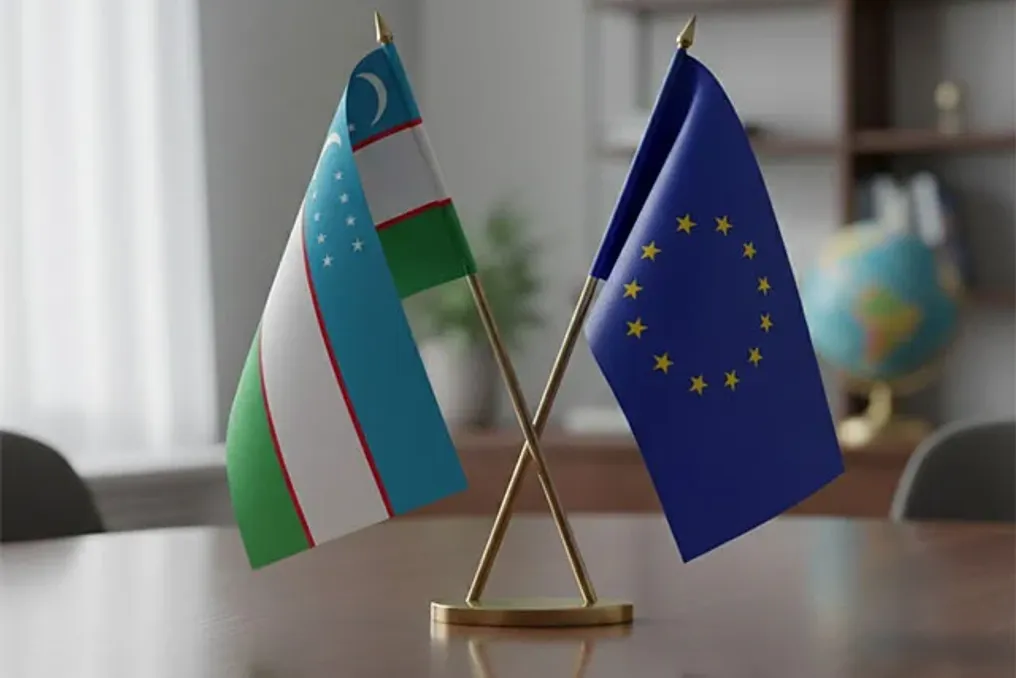
This initiative is implemented jointly by the Mass Media Foundation, the European Union Delegation to Uzbekistan, and the Center for Content Preparation for Mass Media under the Administration of the President of the Republic of Uzbekistan. The project analyzes how residents receive information and how their preferences are changing amid the development of digital technologies, internet access, and social networks.
Organizers noted that the media landscape of Uzbekistan has undergone significant structural changes since the start of reforms in 2016.
Social Networks
Social media channels are increasingly becoming the main sources of information, while traditional mass media continues to adapt to digitalization processes and the implementation of artificial intelligence tools.
The study will evaluate the consumption of television, radio, print, and digital content; the collected data will be analyzed taking into account gender, age, and demographic categories. Fieldwork includes personal interviews with randomly selected respondents conducted by the Republican Center for Public Opinion Research 'Ijtimoiy Fikr'.
The project is planned to run in two stages until the end of 2026. The first stage will conclude with the publication of the National Report on Media Consumption. The second stage involves holding regional seminars and educational campaigns for journalists, youth, and press service employees of state bodies. The research results will also be provided to media resources, advertisers, state structures, and international organizations dealing with media literacy issues.