Unused crops could form the basis of climate-resilient agriculture in South Africa
Read more
Food For Mzansi
foodformzansi.co.za

Unused crops could form the basis of climate-resilient agriculture in South Africa

Local African crops, such as pigeon peas, amadumbe, and others, demonstrate potential as agricultural industry transformers. According to scientist Dr. Mathele Lehlogonolo, transitioning to sustainable local varieties helps protect farm yields and household nutrition amid global supply chain instability.

Modern global agriculture is experiencing one of the most complex periods in history, driven by a combination of geopolitical tensions, climate instability, and economic difficulties. The consequences of conflicts in strategic zones, disruptions in fertilizer and fuel supplies, rising food prices, and unpredictable weather are felt worldwide. Farmers face increasing production costs, while consumers see price hikes and uncertainty regarding future food availability.

Recent disruptions in the Middle East, particularly around vital trade routes like the Strait of Hormuz, have highlighted the vulnerability of the global food system. Fertilizers, fuel, and agricultural resources move through these routes, and any disruption immediately leads to increased global production costs. Furthermore, humanitarian organizations warn that millions of people could face hunger as global food systems weaken further.

Climate change exacerbates the situation. The current La Niña phenomenon causes severe drought in some regions and catastrophic flooding in others. South Africa has experienced recurring climate shocks over the last decade, and scientists warn of a possible strong El Niño event in late 2026, which could significantly impact the region's agriculture.

As these crises converge, many countries are reviewing their food systems. Instead of excessive reliance on global supply chains, governments and agricultural stakeholders are focusing on regional resilience, local seed systems, and crops capable of withstanding environmental and economic shocks.

For South Africa, this global uncertainty raises an important question: are we relying too heavily on a narrow range of crops, ignoring sustainable local and underutilized alternatives?

For decades, South African agriculture has primarily focused on large commercial crops such as maize, wheat, soy, and sunflower. While these crops remain important, dependence on a limited number of varieties increases vulnerability to climate change, pests, diseases, and market shocks.

Undervalued and underutilized crops have historically received little investment in research, limited support for knowledge extension, and minimal commercial attention. Nevertheless, many of these crops have evolved in harsh African conditions and possess characteristics that make them highly valuable in today's uncertain agricultural environment. These crops offer three key advantages: climate resilience, nutritional diversification, and reduced dependence on external resources.

While fertilizer prices fluctuate and weather conditions become increasingly unpredictable, these advantages could prove transformative.

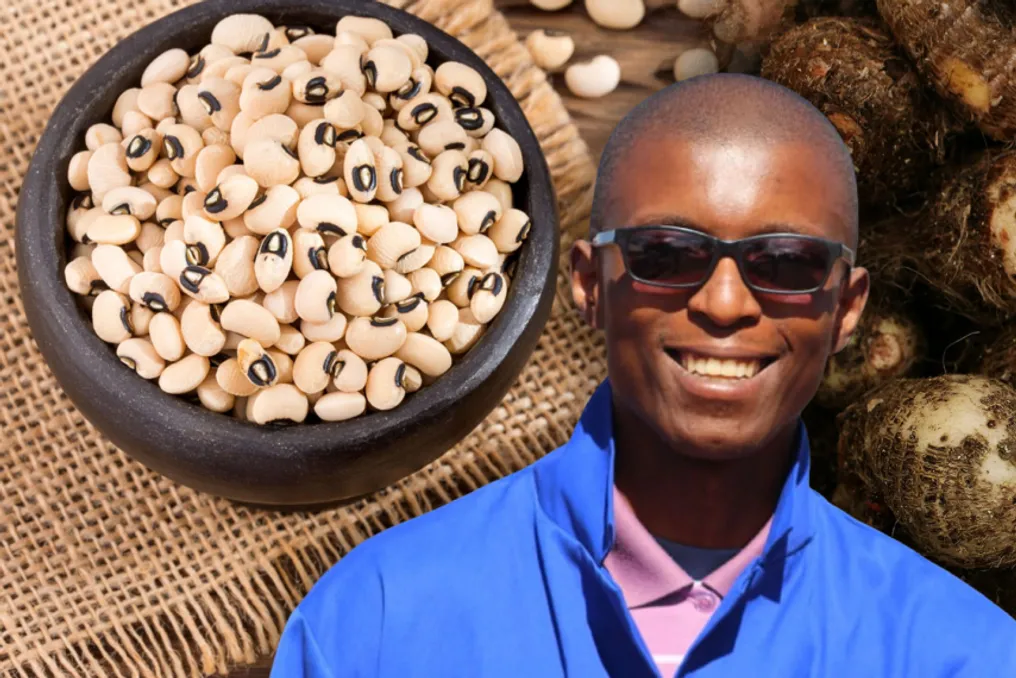
Pigeon peas are often called the 'poor man's meat' due to their high protein content. However, this humble crop is increasingly recognized as a climate-resilient crop of the future. Pigeon peas grow well in hot and dry conditions where many traditional crops struggle to survive. They require relatively little water, can fix atmospheric nitrogen, and naturally improve soil fertility.

For smallholder farmers in Limpopo, KwaZulu-Natal, Mpumalanga, and North West, pigeon peas offer an affordable and reliable option for maintaining productivity during droughts. Beyond the farm, pigeon peas contribute significantly to household nutrition. Their grains provide protein, fiber, vitamins, and minerals, which is especially important for vulnerable communities facing rising food prices. As fertilizer costs continue to rise due to global geopolitical tensions, the ability of pigeon peas to naturally improve soil fertility becomes even more valuable.

Amadumbe, also known as taro, has been cultivated in parts of South Africa for generations, particularly in the provinces of KwaZulu-Natal and Mpumalanga. Despite its long history, amadumbe remains largely underutilized in commercial agriculture. This crop possesses remarkable adaptability. It tolerates waterlogged conditions better than many staple crops, making it particularly useful in areas experiencing increased flooding due to climate change. Its tubers are rich in carbohydrates and easily digestible, and its leaves contain valuable vitamins and minerals. As extreme rainfall becomes more frequent in parts of South Africa, amadumbe can offer farmers a practical adaptation strategy. Fields unsuitable for traditional crops in wet years could potentially support amadumbe production. Moreover, growing consumer interest in local produce creates opportunities for value-added products and local market development.

Cassava is one of the world's most drought-resistant food crops. Often called a 'survival crop,' it can continue to produce in conditions that would severely reduce maize yields. This characteristic makes cassava particularly attractive for drier provinces and regions of South Africa prone to prolonged droughts. Unlike many crops requiring immediate harvesting, cassava roots can remain in the ground for extended periods, effectively serving as a living food reserve. This provides households with a valuable buffer during food shortages or market instability. Cassava also requires a relatively low level of fertilizer and can grow well in marginal soils. As global uncertainty in fertilizer supply chains grows, cassava can help reduce farmers' dependence on expensive imported resources while enhancing food security.

Although less known to many South Africans, pigeon peas are gaining global attention for their nutritional value and adaptability. Pigeon peas mature quickly, often within two to three months, allowing farmers to incorporate them into intercropping systems or use them as cover crops. The crop is relatively drought-tolerant and contributes to soil fertility through nitrogen fixation. Nutritionally, pigeon peas are rich in protein, vitamins, antioxidants, and dietary fiber. The growing popularity of this crop in health-focused markets opens opportunities for farmers seeking access to niche and premium markets. In the future, where diversified farming systems are becoming increasingly vital, pigeon peas can play a valuable role in both ensuring food security and generating income.

The value of these crops extends beyond individual farms. Collectively, pigeon peas, amadumbe, cassava, and pigeon peas contribute to agricultural diversification, which is increasingly recognized as one of the most effective strategies for enhancing resilience to climate and market shocks. Diversified farming systems as a whole are better equipped to withstand droughts, floods, pest outbreaks, and economic turmoil because farmers are not dependent on a single crop. These crops also align closely with agroecological principles, promoting biodiversity, improving soil health, reducing reliance on synthetic inputs, supporting sustainable production systems, and strengthening local food systems.

As South Africa seeks paths toward more sustainable and viable agriculture, undervalued and underutilized crops offer practical solutions already adapted to local conditions.

Realizing the potential of these crops requires investment. Farmers need access to quality seeds, improved varieties, knowledge extension services, and markets. Strengthening farmer-managed seed systems, community seed banks, and on-farm conservation initiatives will be crucial. Various initiatives are underway across South Africa aimed at conserving and propagating plant genetic resources for food and agriculture. These efforts help ensure that valuable crop diversity is not lost and that farmers retain access to locally adapted planting material. Co-breeding programs involving researchers and farmers can further enhance the productivity, resilience, and marketability of these crops while preserving their unique genetic traits.

The current global food crisis serves as a warning that status quo approaches may no longer be sufficient. South Africa cannot control geopolitical conflicts, global fertilizer markets, or extreme weather events. However, it can strengthen its resilience by investing in crops that have quietly supported communities for generations. Pigeon peas, amadumbe, cassava, and pigeon peas may not dominate supermarket shelves today, but they possess many of the characteristics necessary for the agriculture of tomorrow: resilience, adaptability, nutritional value, and ecological soundness. In a world facing growing uncertainty, the future of food security may depend not only on adopting new technologies or importing external solutions. It may also depend on rediscovering and investing in crops that have long remained unnoticed. As climate pressure intensifies and global supply chains become more fragile, South Africa's undervalued and underutilized crops may transition from the periphery of agriculture to the center of the nation's food security strategy.

Similar stories

Six Niche Agricultural Areas South African Farmers Can Consider
Read more
foodformzansi.co.za

Six Niche Agricultural Areas South African Farmers Can Consider

For producers looking to diversify their business, the opportunity for growth does not always require participation in saturated primary commodity markets. South Africa offers a range of developing and underutilized crops, where growing demand, specialized production, and significant gaps between local supply and consumption create high value-added entry points.

According to data gathered by specialists, researchers, and farmers consulted by the organization Food For Mzansi, there are six types of raw materials worth exploring for agricultural expansion.

The developing cannabis sector in South Africa presents diverse opportunities in grains, fibers, flowers, and industrial materials. However, Ayanda Bam, CEO of Zageta Solutions, advises farmers to secure a target market before planting seeds.

Growing cannabis requires specialized genetics, local processing infrastructure, permits, and reliable buyers. A demand-driven strategy makes cannabis a viable option for farm diversification, especially for those willing to operate within a forming regulatory landscape. The key takeaway is to establish sales agreements and obtain processing permits before sowing.

A Western Cape producer, Roland Trout, views local flora as a premium opportunity, allowing farm diversification to align with growing global demand for organically grown flowers. Protea, fynbos, Watsonia, and Agapanthus are sought after by both local florists and profitable international buyers.

In 2021, South Africa exported cut flowers worth over 1.7 billion rand. Trout notes that well-managed protea groves can yield over 100,000 rand per hectare annually. Nevertheless, producers should start with trial plots to test local microclimates before scaling up.

Dry beans represent one of the most obvious shortages in the South African agricultural market. Lucia Ndlela, a PhD in crop science and researcher at the Agricultural Research Council (ARC), highlights the suitability of this crop for both smallholder beginners and established commercial enterprises.

Approximately 70,400 tonnes of dry beans are produced annually in South Africa, while domestic consumption stands at around 114,000 tonnes. This means local farms only meet 61% of national demand. Closing this gap requires selecting appropriate varieties, proper soil preparation, and strict disease management.

Agronomist and PhD Hamond Motsi describes sorghum as a resilient crop with exceptional nutritional, cultural, and economic potential. Although 130,000 to 150,000 hectares are cultivated annually in South Africa, there remains significant potential for expansion in grain, feed, and sweet sorghum value chains.

Sorghum's superior drought resistance and lower resource costs compared to maize make it an ideal candidate for water-stressed regions and rising fertilizer expenses. Furthermore, growing consumer demand for gluten-free health foods opens new commercial avenues beyond traditional beer and cereal markets.

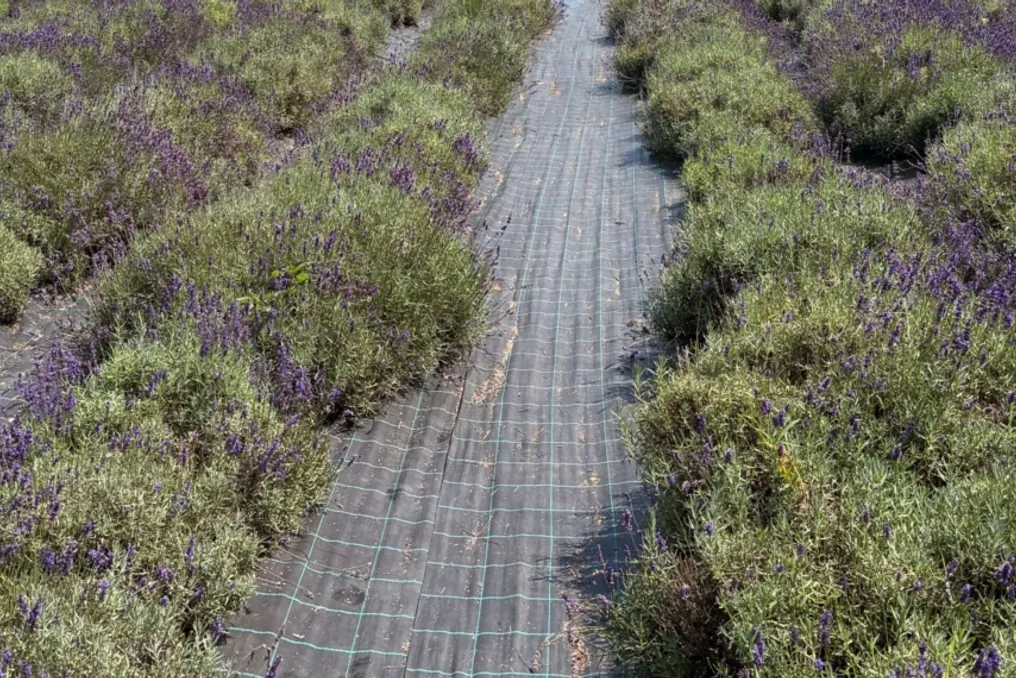
Essential oils offer another specialized, high value-added direction for farm diversification. Karen Swanepoel, CEO of the South African Essential Oils Producers Association (SAEOPA), notes that the industry in South Africa is small but steadily growing, offering commercial opportunities in crops such as eucalyptus, citrus, tea tree, buchu, rosemary, lavender, and pink geranium.

Instead of competing with large global producers on volume, South African producers can compete on oil quality, purity, and origin authenticity. Organic certification further opens pathways to premium export markets. Essential oil crops also allow for amelioration, and steam distillation generates additional income through hydrosols (floral waters). However, producers cultivating indigenous species must comply with environmental permits and Access and Benefit Sharing (ABS) regulations.

Swanepoel emphasizes: 'The main opportunity lies in producing high-quality, fully traceable oils for specific markets, rather than just chasing raw biomass volumes.'

Growing pecans is not a short-term cash crop but, according to experienced producer Richard Ball, a multi-generational investment in heritage. Unlike perishable fruits or vegetables, pecans can be dried, stored, and strategically sold when prices are favorable.

However, pecan cultivation requires suitable deep soils, precise orchard planning, and long-term financial patience, as trees need 12–15 years to reach full commercial productivity.

In conclusion, the true commercial opportunity in niche agriculture lies where there is clear market demand, limited local supply, and a functional value chain supporting new entrants. Before planting anything, producers must thoroughly assess buyers, crop requirements, processing logistics, regulatory barriers, and startup capital. These crops offer strong paths for farm diversification for those willing to start small, test local growing conditions, and align production with market demand.

BFAP Forecasts: South African Agriculture Sector Faces Pressure from Falling Prices and Rising Costs
Read more
foodformzansi.co.za

BFAP Forecasts: South African Agriculture Sector Faces Pressure from Falling Prices and Rising Costs

The South African agricultural sector is entering a period of consolidation as falling commodity prices, rising production costs, and limited consumer demand are expected to put pressure on producers. Nevertheless, opportunities for growth exist in export markets, productivity gains, and higher value-added products.

These findings were presented at the Bureau for Food and Agricultural Policy's (BFAP) baseline agricultural policy forecast presentation for 2026 in Pretoria. The report analyzes the sector's trajectory over the next decade, considering the long-term future of agriculture up to 2050.

Speaking at the main report, Minister of Agriculture William Aukamp stated that farmers possess the necessary knowledge to stimulate growth in the agricultural sector, and the government's role is to create a favorable environment. Aukamp emphasized that farmers are world-class and fully knowledgeable about their operations.

He insisted that the government should focus on removing obstacles rather than creating additional administrative burdens. The Minister assured that the government's responsibility is to facilitate farmers' work, and he personally commits to this.

Furthermore, Aukamp called for increased collaboration between industry and government, especially when there are disagreements, in addressing issues such as animal diseases, infrastructure, market access, and export growth.

BFAP Director and founder, Professor Ferdie Meyer, thanked BFAP partners for their support and contribution. In turn, BFAP Director and Commodity Markets and Futures Manager, Dr. Tracy Davis, noted that the forecast must be viewed in the context of an increasingly volatile environment shaped by geopolitical tensions, climate phenomena, animal diseases, changing trade conditions, and rising compliance costs.

Davis stressed the need to look beyond current market fluctuations and determine the fundamental direction of the sector's development. She also questioned how this direction could be influenced, changed, and how growth potential could be maximized in the future.

Despite the challenges, agriculture demonstrates resilience. Between 2011 and 2025, the sector grew at an average rate three times faster than the entire economy, even with weak economic development and repeated shocks.

Crop production is expected to face significant short-term pressure following a strong cycle of production and prices. Commodity prices have dropped sharply while high resource costs narrow profit margins. BFAP forecasts that some of the acreage expansion achieved during the high-price period will be reversed, although only about half of the nearly 700,000 hectares added is expected to be lost.

Yield increases in crops such as maize, soy, sunflower, and rapeseed have helped producers remain viable at lower prices. Davis linked this growth to the adoption of conservation agriculture, irrigation, precision technologies, investment in machinery, and improved seed varieties. Most major cereal crops have also transitioned to being net exporters. According to Davis, future growth will increasingly depend on productivity, as acreage expansion remains relatively stable, and commodity prices are expected to rise slower than inflation.

Sugar remains under pressure due to a significant reduction in planting area over the last decade. BFAP expects stabilization at a lower level, while bioenergy may provide an alternative source of demand.

According to Davis, livestock prospects are more positive due to reduced feed costs, which improves profitability. International meat prices have also risen: the FAO meat price index is up 18% compared to five years ago and 4% compared to the previous year. Animal diseases remain the main constraint on export growth. BFAP forecasts annual meat production growth of approximately 1.5%–2%, with faster growth possible if disease risks are reduced and access to premium export markets is improved.

Poultry remains the country's largest meat sector and a net importer, although local producers have reduced imports of mechanically deboned meat. The next step, according to Davis, is the transition from import substitution to export. Beef is increasingly moving towards premiumization, with higher-value cuts making up a growing share of exports.

Horticulture remains a key driver of growth: production is expected to increase by over 20%, and exports by approximately 24% over the next decade. Growth will mainly depend on yield improvements, orchard maturation, variety enhancement, and meeting export standards, while water resources and rising input costs remain constraints. Port delays also pose a risk to fruit exporters. With weak domestic consumer demand, export markets will remain crucial for the sector's future growth.

BFAP analyst Khani Baloyi highlighted the importance of including often overlooked farmers in the narrative of sectoral transformation. She noted that over 100,000 households produce for sale, and about two million households engage in subsistence farming, yet much of this activity remains unregistered and undervalued. Baloyi concluded that as a sector, they must better tell the story of transformation.

Управление почвой и скотом после сильных зимних погодных явлений в Южной Африке
Read more
foodformzansi.co.za

Управление почвой и скотом после сильных зимних погодных явлений в Южной Африке

Amidst ongoing winter weather sweeping across South Africa, a potent combination of a cold front and an upper cut-off low brought severe cold, snow, and damaging winds. Although social media circulated videos showing dramatic snowfalls and some farmers reported isolated livestock fatalities, many producers expressed relief as the most intense extreme conditions subsided.

The South African Weather Service (SAWS) indicated that the nation experienced typical yet harsh winter conditions this past week. Wet, frigid, and windy weather affected the southern regions of Free State, Northern Cape, Gauteng, and Mpumalanga, as well as the interior areas of Eastern Cape and KwaZulu-Natal.

Despite the seriousness of the official warnings, reports gathered from farmers on the ground suggested that agricultural damage remained mostly localized. Eben du Plessis, who is a sheep farmer and a spokesperson for Eastern Cape Agriculture, observed that the weather proved to be a mixed outcome rather than a complete catastrophe for local producers.

Du Plessis stated that the snow had cleared, though the cold persisted. He mentioned experiencing good snowfall alongside icy winds and some rain in his area, noting that he had not heard of any major issues, although he did lose six lambs born during the cold. He added that roads were open and they were prepared for spring.

For those cultivating crops in the region, the increased moisture was beneficial. Thulani Magida, a crop farmer located in the Eastern Cape, confirmed that the weather did not harm his operations. He explained that receiving 30 mm of rain was advantageous for his cabbage crop and allowed him to begin preparing the land for September plantings.

In the Free State, Llewellyn Louw, a poultry farmer in Jacobsdal, managed to avoid substantial storm damage when gale-force winds struck his farm, causing only a roof sheet on his poultry structure to bend while the remainder of his operation remained sound. Similarly, Bongeka Vilakazi in KwaZulu-Natal reported that the rain did not significantly impact them, causing only minor damage to their yard.

Even as the immediate atmospheric danger lessens, specialists caution that severe winter weather events create lasting effects on soil health, necessitating active management by farmers. Hamond Motsi, a soil scientist, elaborated that different weather extremes affect soil in unique ways, but heavy rainfall frequently incurs hidden expenses.

Motsi detailed that heavy rain results in soil erosion, which means the removal of topsoil. Since this soil contains essential nutrients and applied fertilizers, these elements get washed away. Furthermore, heavy rain causes leaching, pushing nutrients below the reach of plant roots, thereby creating a sustained negative influence on both current and future harvests.

Regarding snowfall, Motsi pointed out that the main hazard stems from extremely low temperatures rather than the snow itself. He clarified that because snow occurs during winter, farmers typically do not cultivate crops that are highly vulnerable to such low temperatures.

To protect soil structure and sustain land productivity following severe weather, Motsi recommended that producers adopt preventative conservation methods. He stressed that employing permanent soil cover, returning crop residues to the fields, and utilizing crop rotation are crucial actions to mitigate erosion and nutrient leaching during heavy downpours. The protective layer formed by plant residue helps absorb the force of raindrops and keeps the soil anchored.

For those raising livestock, managing grazing land after winter storms is equally important. Motsi advised that farmers must implement a proper grazing rotation strategy in grazing fields. Systematically moving animals between different camps allows pastures time to recover, and moving livestock before the grass is entirely depleted helps keep the soil protected.

As conditions improve across the interior, Motsi urged farmers to remain alert, regularly inspect their fields for signs of nutrient loss or erosion, and continue obtaining updates from dependable weather services as the season shifts toward spring.

Popular