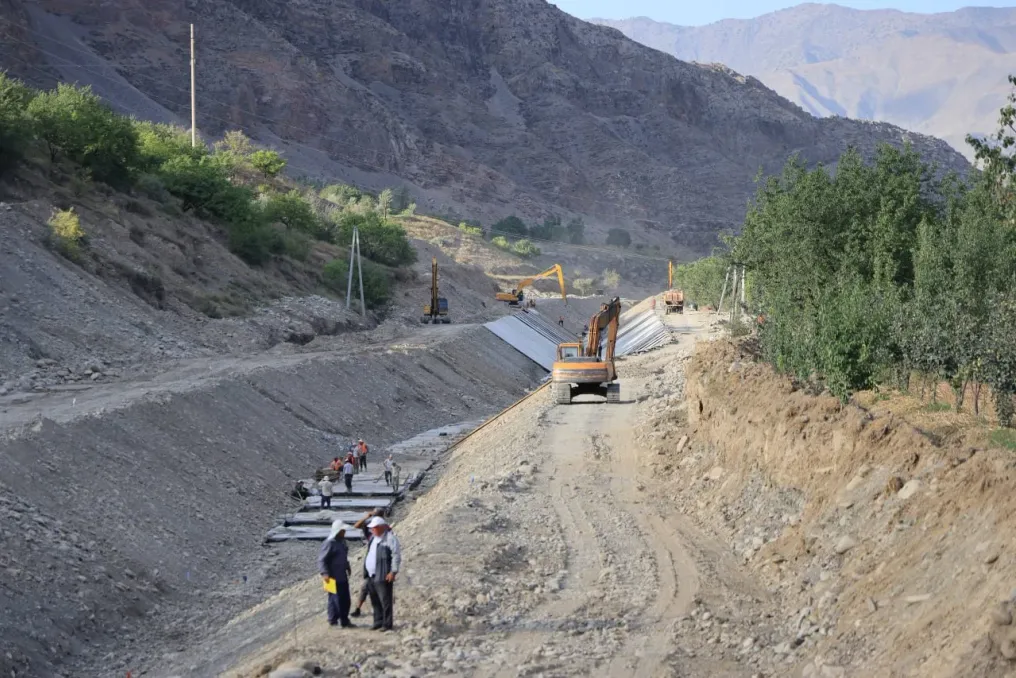
Construction of a 15 MW hydroelectric power plant in the Fergana region of Uzbekistan
Read more
UzDaily
uzdaily.uz

Construction of a 15 MW hydroelectric power plant in the Fergana region of Uzbekistan

According to the administration of the Fergana region, the construction of a 15 MW hydroelectric power plant is underway in the Sokh district of the Fergana region. This project, valued at 41 million US dollars, is projected to be able to meet about seventy percent of the district's electricity needs after commissioning.

Inspection of Construction Progress

The Hokim of the Fergana region, Khayrullo Bozorov, personally inspected the construction site. Currently, main work is being carried out on leveling and strengthening the internal and side sections of the station's canal, and concrete pouring is rapidly progressing.

A total of 80 units of specialized equipment of various types are involved at the site. Special attention is paid to creating jobs for unemployed citizens, including youth returning from labor migration.

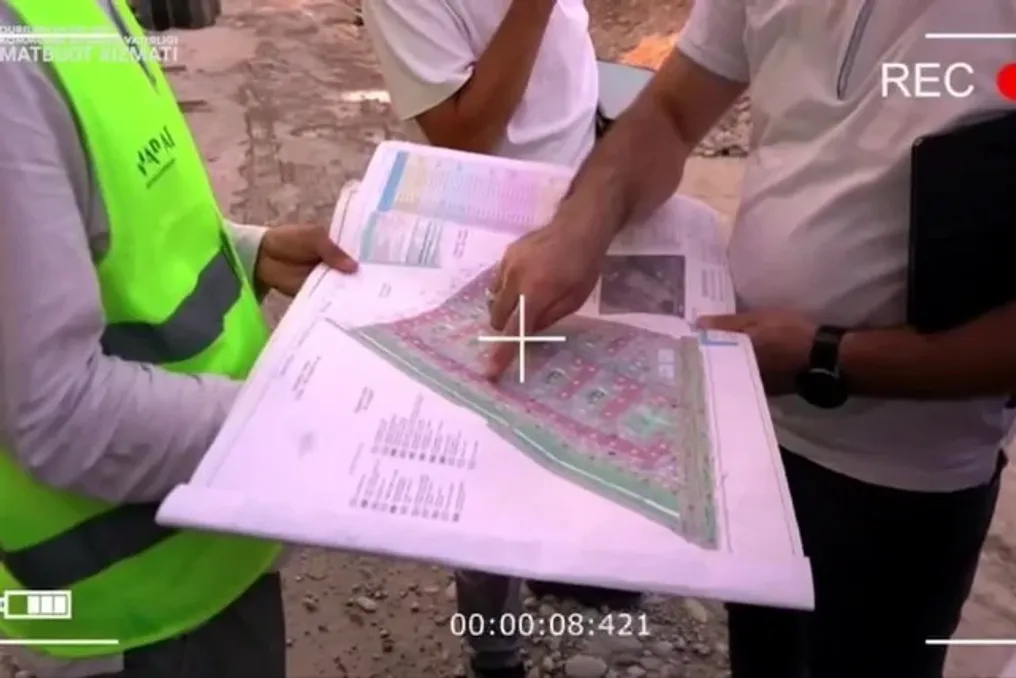
During the visit, Bozorov received reports from responsible officials regarding the project's progress, current construction work, and the fulfillment of set tasks. After the inspection, the regional head instructed officials to ensure high quality of work and complete the construction within the established deadlines.
Similar stories

Construction of waste processing plant in Kashkadarya region of Uzbekistan nears completion
Read more
uzdaily.uz

Construction of waste processing plant in Kashkadarya region of Uzbekistan nears completion

The construction of a waste processing and power generation plant in the Karshi district of Kashkadarya region, Uzbekistan, is nearing completion. This project is valued at 150 million US dollars and is capable of processing up to 1000 tons of municipal solid waste daily.

Annually, about 14 million tons of municipal waste are generated in Uzbekistan, with approximately 930,000 tons generated only in the Kashkadarya region. The goal of this facility is to process garbage, reduce its negative impact on the environment, and produce electricity.

The construction is being carried out with the involvement of foreign direct investment. The plant occupies an eight-hectare site and is designed to process about 1000 tons of waste per day, which equates to approximately 45,000 tons monthly.

Electricity generation will be achieved through the processing and incineration of municipal solid waste. According to available data, the plant's capacity will be 45,000 kWh per hour, and the annual electricity generation will exceed 240 million kWh.

Modern recycling technologies and advanced filtration systems are being implemented during construction. Project participants assert that this technology prevents the emission of toxic gases into the atmosphere. A monitoring system is operational at the site, and the regional environmental department monitors emissions from the smokestacks.

Work is progressing at an accelerated pace with the participation of about 30 units of modern equipment and over 300 specialists from local and Chinese countries. Approximately 20 local experts are already working alongside international colleagues to gain experience and operational knowledge.

It is planned that within the next five years, 80%–90% of the jobs at the facility will be filled by local employees. After the object launches, local specialists plan to undergo training in China.

The project includes four main phases, a significant part of which has already been completed. Equipment and filtration systems supplied from China have been installed. Measures to prevent groundwater contamination have also been integrated into the implementation process.

The total cost of this project and a similar one under construction in the Samarkand region reaches 400 million US dollars.

Popular