Namibia Approves Commercial Phosphate Mining Project on the Atlantic Ocean Floor
Read more
IOL
iol.co.za

Namibia Approves Commercial Phosphate Mining Project on the Atlantic Ocean Floor

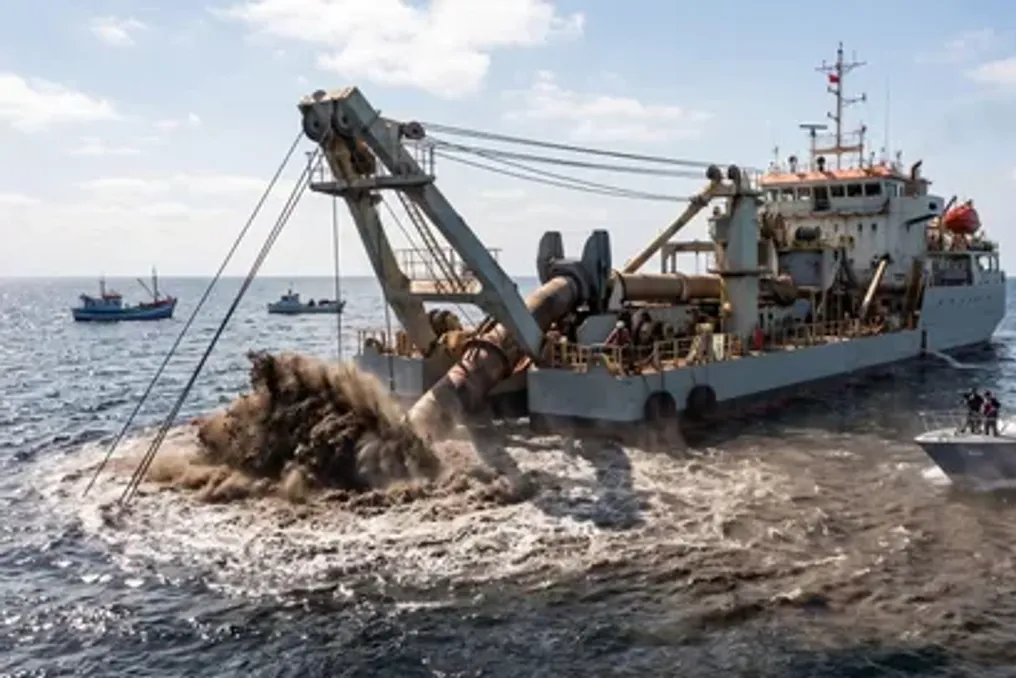
Namibia has granted an environmental permit for the offshore phosphate mining project, paving the way for the world's first commercial operation to dredge this mineral from the seabed, despite opposition from environmental organizations and the fishing industry.

Deep-sea mining aims to utilize previously untouched reserves of various raw materials, including cobalt and nickel, but this emerging industry has long been hampered by environmental concerns.

The certificate issued by the government this month is the next step in Namibian Marine Phosphate (NMP)'s plans to dredge the seabed approximately 120 kilometers off Walvis Bay to obtain a key fertilizer component vital for agriculture.

NMP clarified that obtaining the permit does not mean immediate commencement of commercial mining, as further permitting processes, including the establishment of necessary onshore infrastructure, must still be completed.

Nevertheless, this certificate has raised alarms among nature defenders; it is reported that the Confederation of Namibian Fishery Associations threatens to challenge its legality.

If the project proceeds, it will be a global debut, as other deep-sea phosphate mining projects have been halted due to environmental issues.

NMP stated that it plans controlled dredging of an area of about 1.7 square kilometers annually to produce three million tons of concentrated phosphate per year. Following the announcement of the permit, the company noted that this would account for 0.002 percent of Namibia's seabed over the 20-year license term.

However, the group emphasized that 'no immediate or urgent commercial operations are planned,' given that NMP is 85% owned by an Omani mining company.

The government's announcement approving the environmental certificate ended a decade of silence regarding the project. The company was granted a license in 2011, but work stalled in 2013 due to concerns over impacts on marine ecosystems and Namibia's multi-million dollar commercial fishing industry.

Toxins and Fish

Marine scientist Bronwen Curry warned that sediment plumes resulting from seabed excavation and processing pose a serious threat to ecosystems and public health. She told AFP that underwater dredging could release heavy metals and toxic substances trapped deep in the seabed, which could enter the marine food chain and jeopardize commercial fish stocks.
Similar stories

Mozambique mobilizes 28.5 million euros to restore roads damaged by floods
Read more
noticiasaominuto.com

Mozambique mobilizes 28.5 million euros to restore roads damaged by floods

The Government of Mozambique has announced the mobilization of 28.5 million euros (equivalent to 33 million US dollars) for emergency road repairs in three provinces. According to Juan Matlombe, these works will begin in the coming weeks.

These repair works are aimed at improving transport accessibility on the most critical sections and increasing the resilience of the road infrastructure before the start of the next rainy season, which begins after October.

Matlombe specified that work in the Inhambane province is ready to start as early as next week, allowing for an acceleration of the contractor hiring process in that province. Regarding Gaza province, work is expected to commence in September.

In Inhambane province, the rehabilitation of about 50 kilometers of roads is planned, which is a result of revising the initial plan that provided for 70 kilometers; the focus will be on the most worn-out sections.

The minister acknowledged delays in preparing measures in Gaza, explaining that the Government spent a significant part of the year developing rehabilitation projects.

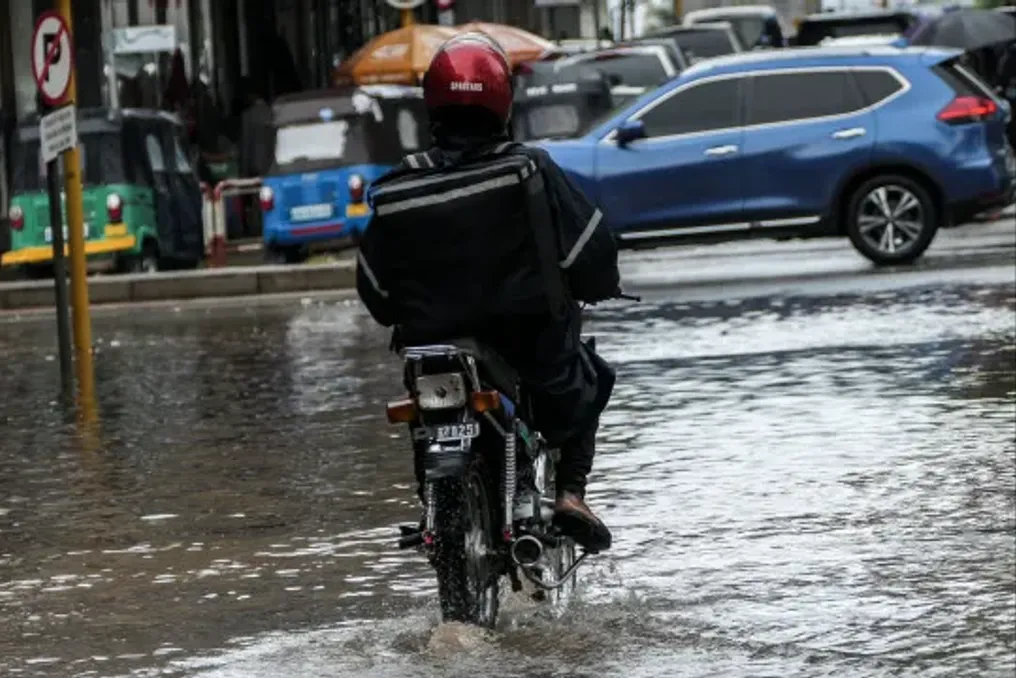
According to Matlombe, the measures will be concentrated in 'critical zones,' such as the Incoluane district in Maputo province, which was severely affected by floods in January. These floods caused serious damage to National Road 1 (N1) and disrupted road connectivity between the south and north of Mozambique. Work will also take place in vulnerable areas near the city of Xai-Xai in Gaza, where structures will be installed to improve water drainage.

Parallel to emergency measures, the Government launched a tender for the concession of the road corridor between Marracuene, in Maputo province, and Xai-Xai, as part of the final rehabilitation strategy for this connection. According to Juan Matlombe, the executive branch expects to select or contract with a concessionaire by the end of the current year or the beginning of 2027, paving the way for the start of capital works on this section.

The official emphasized that the goal is to have contractors mobilized before the next rainy season, which runs from October to April, ensuring quick solutions and better travel conditions during the wet period.

Furthermore, the Government continues the national road rehabilitation program 'More Roads' (Mais Estradas), planning to start capital works in the covered provinces from 2027.

Mozambique is considered one of the countries most vulnerable to the effects of climate change, regularly facing floods, tropical cyclones, and other extreme events during the rainy season. According to data from the National Institute for Disaster Management and Risk Reduction (INGD), the last rainy season resulted in 311 deaths and affected about 1.07 million people in various regions of the country.

Previously, Juan Matlombe stated the need for 2.9 billion euros to restore over 5,200 kilometers of roads damaged by floods between January and February, which also affected about 725 thousand people.

Popular