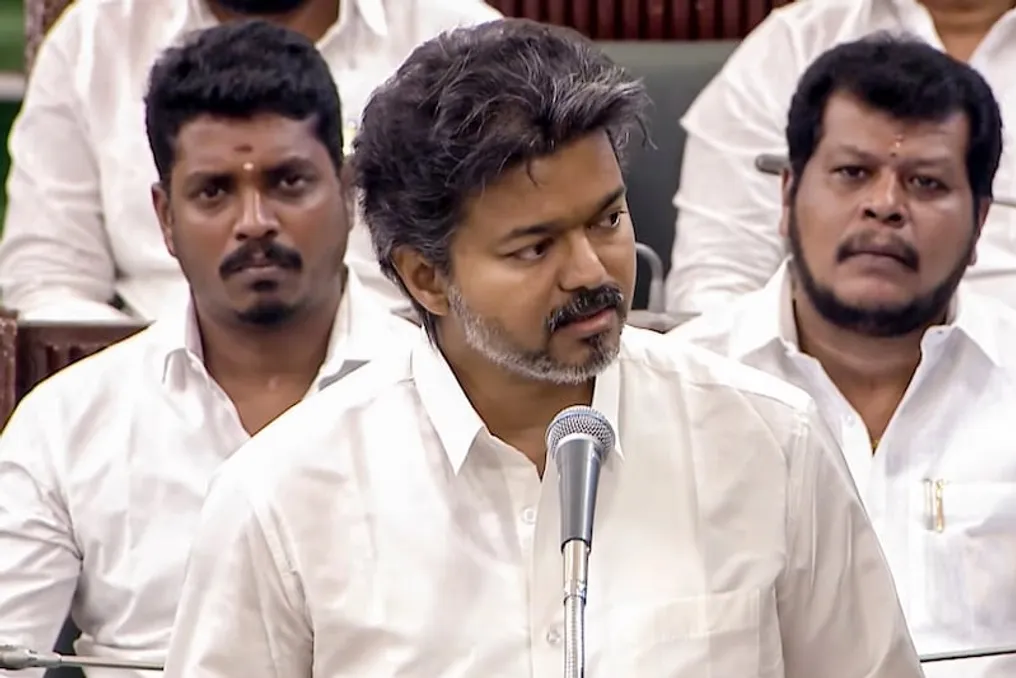
Tamil Nadu legislator presents proposal to exempt teachers from TET exam
Read more
Aaj Tak
www.aajtak.in

Tamil Nadu legislator presents proposal to exempt teachers from TET exam

The Minister of School Education of Tamil Nadu, Raj Mohan, presented a proposal in the legislative assembly to grant teachers an exemption from the Teacher Eligibility Test (TET). This proposal demands that the central government provide full and permanent exemption to teachers who were hired in Tamil Nadu schools before August 23, 2010, based on the rules and qualifications in effect at that time.

The proposal emphasizes that forcing teachers who have served impeccably for nearly 20 years and are approaching retirement age to take the TET directly affects their right to livelihood. Therefore, it calls for steps to be taken that consider the employment guarantees, long service records, livelihoods, and overall well-being of these teachers.

Through this proposal, the Tamil Nadu legislative assembly has appealed to the central government to make necessary legal amendments to Article 23 of the Right to Free and Compulsory Education Act of 2009. Furthermore, it requested the immediate issuance of a clear and mandatory official directive or circular through the National Council for Teacher Education (NCTE) that would exempt teachers hired before August 23, 2010, from the requirement of taking the TET.

The proposal also states that employment guarantees, promotions, and all other labor benefits for teachers who have worked in the system for a long time must continue without hindrance. The legislative assembly strongly urged the central government to take the aforementioned measures to protect the interests of such teachers.
Similar stories

CM Yogi becomes strict on student protests in Uttar Pradesh; officials' responsibility for negligence determined
Read more
www.aajtak.in

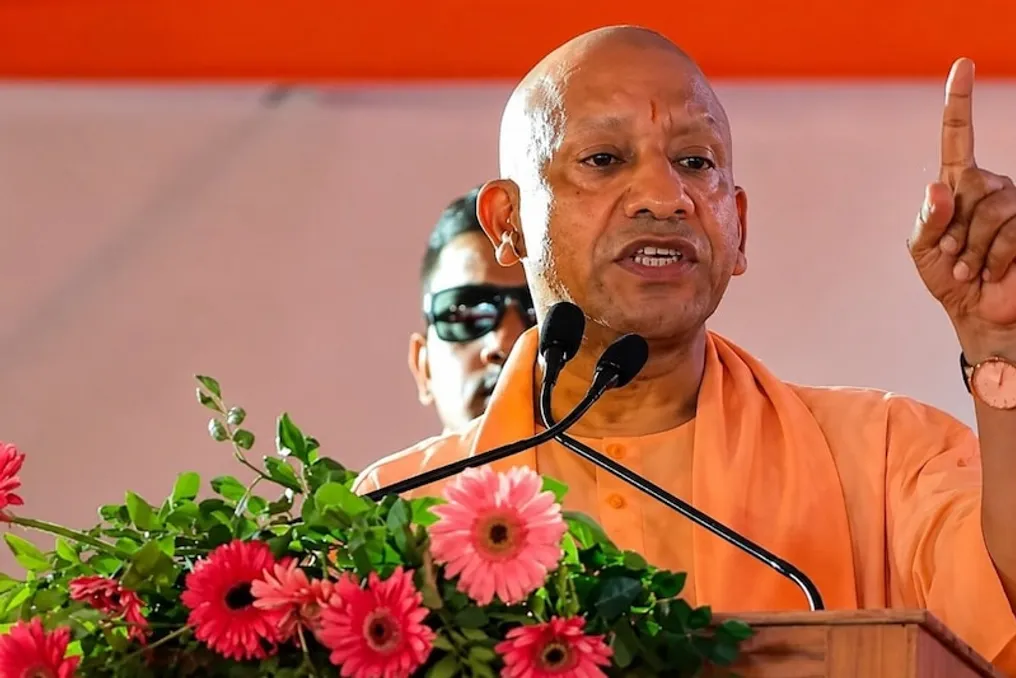
CM Yogi becomes strict on student protests in Uttar Pradesh; officials' responsibility for negligence determined

The Chief Minister of Uttar Pradesh, Yogi Adityanath, has adopted a firm stance regarding student demonstrations stemming from management issues, disorganization in educational institutions, and a shortage of teachers in several districts of the state.

He took the protests, which occurred in areas such as Lucknow, Azamgarh, Mahoba, Hamirpur, and Unnao, seriously. Expressing dissatisfaction with the lack of teachers and other administrative shortcomings, the head of the government ordered officials to immediately rectify the identified problems.

Special authorized persons from the Chief Minister's office have been appointed to monitor all educational institutions. The responsibility of relevant staff and officials will be established if negligence in the system's operation is found.

According to the minister's directive, monitoring of all educational institutions under the departments of basic and secondary education, higher education, technical and vocational education, social security, and labor will be carried out by the designated responsible persons. All complaints and identified deficiencies in the system must be promptly addressed. Furthermore, measures will be taken against employees and officials found guilty of negligence.

Serious questions arose regarding the delay in appointing teachers, despite the new academic year at Sarodaya schools having started on April 1st. Clear instructions were issued to identify officials who were negligent in the process of announcing teacher recruitment in June. The government emphasized that no carelessness in the educational process will be tolerated.

Chief Secretary SP Goel instructed all district governors and district heads to closely monitor social media publications concerning schools. District heads were directed to conduct urgent checks on such matters through their social media accounts and provide factual responses. This will help stop the spread of false information and ensure timely problem resolution.

Detailed directives were also issued to strengthen infrastructure in primary and secondary schools, ensure cleanliness, and establish regular communication with students and parents. Additionally, block-level instructions were given to take necessary measures to eliminate flooding and sanitation issues in schools during the monsoon season.

Kerala government requests 45 days to consider demands of protesting teachers
Read more
timesofindia.indiatimes.com

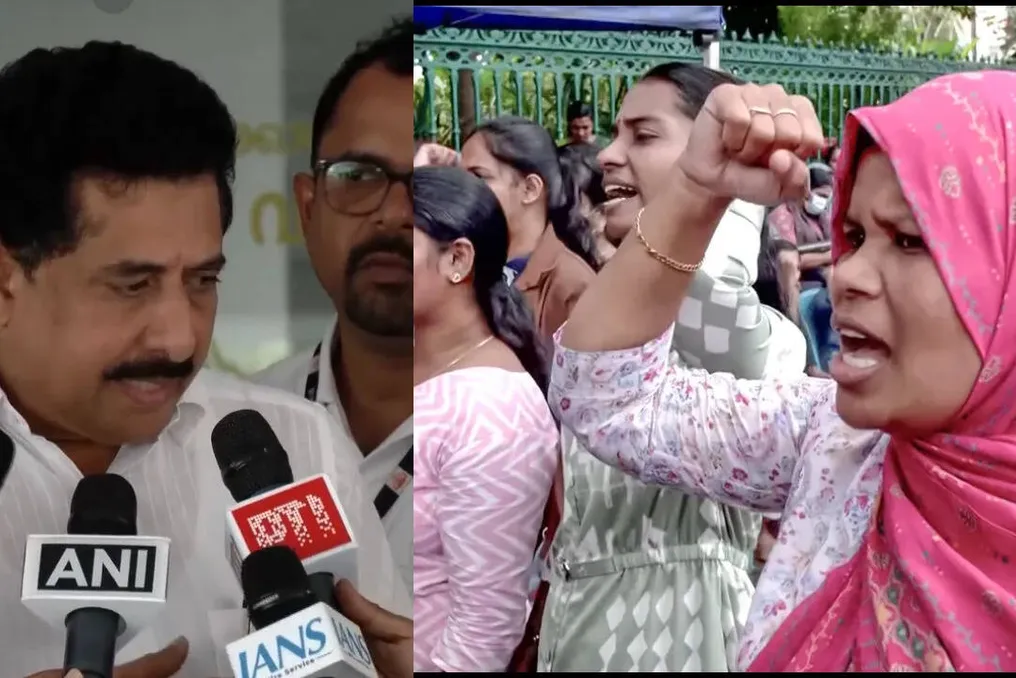
Kerala government requests 45 days to consider demands of protesting teachers

The Kerala government has requested 45 days to study the demands put forward by representatives of the association of primary school junior teacher qualifiers (LPST).

This request followed negotiations between the state authorities and representatives of the Kerala Association of all LPST qualifiers.

Proposal to abolish NEET presented in Tamil Nadu legislative assembly; government defends its demands
Read more
www.aajtak.in

Proposal to abolish NEET presented in Tamil Nadu legislative assembly; government defends its demands

Demands to abolish the NEET exam have been reinforced in the Tamil Nadu Legislative Assembly. The state government insists that admission to medical seats should be determined based on the marks of the 12th-grade certificate. Furthermore, the government reiterated its position on the necessity of abolishing NEET and returning education from the concurrent list to the states' competence list.

The State Minister for Health and Social Welfare, K.G. Arundraj, supported this official stance. He stated that the system based on 12th-grade scores should be used for admission to medical institutions, and the NEET exam itself must be abolished. The Tamil Nadu government's position on this issue goes beyond just university admissions, affecting the rights of the states and the structure of the education system.

The Tamil Nadu government argues that NEET harms students from rural areas, low-income groups, government schools, and those who study in local languages. The state believes that this exam favors students who can afford expensive private coaching classes. The government also points out that centralized national exams conducted on a single day can be susceptible to weaknesses in the system, leading to instances of examination material leaks and the cancellation of the NEET-UG exam on May 3rd.

Another important argument from the state government is that education and healthcare have historically been subjects of state jurisdiction. Consequently, the centralized system weakens state autonomy. Tamil Nadu asserts that it previously implemented a system for admitting students to medical institutions based on standardized 12th-grade certificate scores, which it considered transparent, accessible, and fair for local students.

To find an alternative to NEET, the Tamil Nadu Legislative Assembly unanimously passed the 'Tamil Nadu Admission to Medical Institutions for Undergraduate' bill. However, this bill did not receive Presidential approval. Following this, the state government challenged this decision in the Supreme Court. Simultaneously, there was a demand to return education to the list of state competencies. Currently, education is on the concurrent list, allowing both the center and the states to enact laws, but in case of conflict, the federal law takes precedence.

Arguments supporting NEET include that a unified national exam ensures a uniform educational standard for admission to medical institutions. It is also argued that this helps control entrance exams in various private medical colleges and donation-funded seats, while relieving students of the burden of taking multiple exams. Currently, Tamil Nadu's position is clear: admission to medical institutions must be based on 12th-grade scores, NEET must be abolished, and the powers of the states in education must be strengthened.

Popular