Indian initiatives to introduce clearer nutritional warnings have met resistance from food industry giants, despite similar companies using prominent labeling in foreign markets.
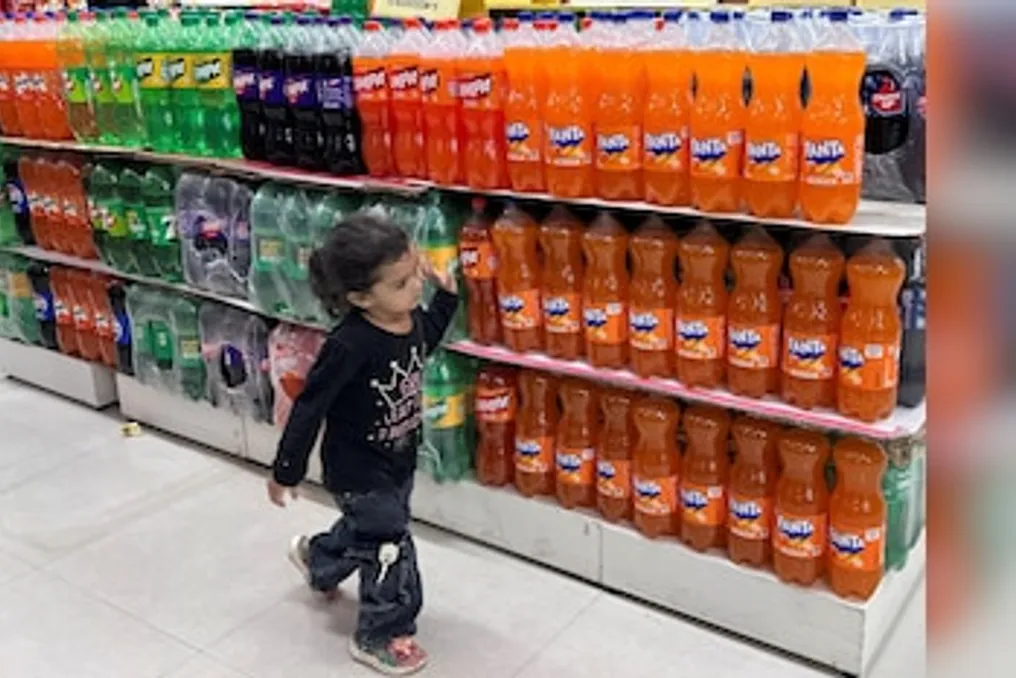
For instance, a can of Fanta sold in London contains 63 calories, whereas the same brand in India has three times more sugar. Furthermore, European products with artificial coloring require a visible health warning, while in India, the presence of this colorant is indicated only in fine print on the back of the can.
Some of the world's largest corporations have long opposed Indian attempts to mandate that food additives carry warnings on the front of the packaging. The Indian Food Safety Regulator stated in August that it would abandon promoting colorful warnings on the front of the packaging because such labels do not account for the more intense flavor profile of Indian cuisine compared to Western cuisine. Instead, it was proposed that companies display a black-and-white table of sugar, fat, and salt content.
The Supreme Court of India is currently reviewing this decision following a petition by public health activists. At stake are the parameters of 450 million Indians who, according to a recent study in the journal Lancet, may become obese or overweight by 2050. Experts argue that greater transparency in labeling can contribute to the formation of healthier eating habits. At the insistence of experts, about 20 countries have adopted interpretive labels that may include highlighting high sugar levels in red and low fat content in green on the front of packaged products.
The Indian Food Safety Authority conceded after an intense meeting in March with industry leaders, who argued that such warning labels are confusing and ineffective, according to records reviewed by Reuters. Leaders also called on regulators to focus on encouraging portion control.
Mili Bhattacharya, Senior Head of Coca-Cola India, stated at the March 19 meeting that it is 'very simplistic' to assume that a consumer who typically does not read ingredient lists 'will be so informed upon seeing a symbol or icon on the label' that their diet will significantly improve. She added that warning labels are useless because they will not prevent consumers from consuming sweet and salty foods, and they are unnecessary because Indian doctors have well-educated their patients on which foods to avoid.
Nevertheless, Coca-Cola and its bottling partners have voluntarily added traffic light-style labels to their beverages in two dozen European countries. Coca-Cola HBC, a subsidiary based in Switzerland, reports on its website that such labels provide 'clear and transparent' information. Nestlé is a member of Indian lobbies that fought against previous regulatory proposals, but this company has voluntarily used interpretive labels in the UK since 2013.
Simone Pettigrew, Head of Food Policy at the George Institute of Global Health in Australia, believes that the threat that warning labels pose to profits motivates the industry to 'wait as long as possible without informing the Indian public about the benefits of the products they sell.' She also noted that lobbying by vested interests has 'almost paralyzed' regulators from adopting stricter standards.
Industry estimates suggest that nearly 80% of the packaged food and beverage market in India, valued at over $100 billion, could be considered high in fat, sugar, and salt. According to Dipak Jolly of the Ind Food & Beverage Association, this would mean that the packaging would be covered in red if the industry adopted color warning labels.
Indian regulators have been proposing measures since 2017, such as visible color warnings and star ratings indicating product nutritional value. However, manufacturers are only required to list ingredients and basic nutritional information on the back of the package. Health activists pushing for greater transparency filed a petition with the Supreme Court, which in February directed regulators to consider using warning labels, suggesting the agency study Israel's red-green messaging system.
Following the March meeting with the industry, FSSAI backed away from interpreting labeling. In August, it told the court that it was 'difficult' to comply with international packaging standards, echoing the industry's position. This drew criticism from judges, who stated that 'the world should know that India cares deeply about the health of its citizens.'
As India's wealth grows, middle-class consumers have also become more health-conscious. According to research firm Pharmarack, monthly sales of weight loss and appetite suppressant medications increased by 400% since early 2025.
Among social media activists and influencers is Revant Himatsingh, a former management consultant at McKinsey, who has built an audience of over 5 million people on YouTube and Instagram under the name Food Pharmer. In 2023, Himatsingh released a video criticizing the amount of sugar and artificial sweetener in PepsiCo's Sting energy drink. PepsiCo successfully obtained a court injunction in Delhi, claiming the statements in the video were false and aimed at inciting a campaign against the drink.
In the section 'History of Two Recipes,' it is noted that multinational producers often release different versions of the same products to comply with local norms, tastes, and purchasing power. For example, Mexican Coca-Cola gained iconic status due to its less syrupy taste. Himatsingh notes that many consumers in India feel they are being sold inferior products when comparing the ingredients of the Indian versions of Fanta and Nestlé KitKat with those sold in Europe and Australia.
Standard Indian KitKats contain 4.5% cocoa content, whereas milk chocolate in the Australian version contains at least 22% cocoa. All varieties of Nestlé Maggi instant noodles sold in India are made from palm oil, while many versions sold in Britain use more expensive sunflower oil. Many Maggi packages sold in Britain are produced in India but feature red warning labels on the front regarding their high salt content. Himatsingh calls this a 'disappointment of feeling deceived.'
There are signs that changing consumer preferences are forcing companies to change. For example, in 2024, Nestlé announced the launch of sugar-free Cerelac baby food in India following complaints from activists, including Himatsingh, who pointed out that only the sugary version had been sold in the country for 50 years. The company has long sold sugar-free Cerelac elsewhere.