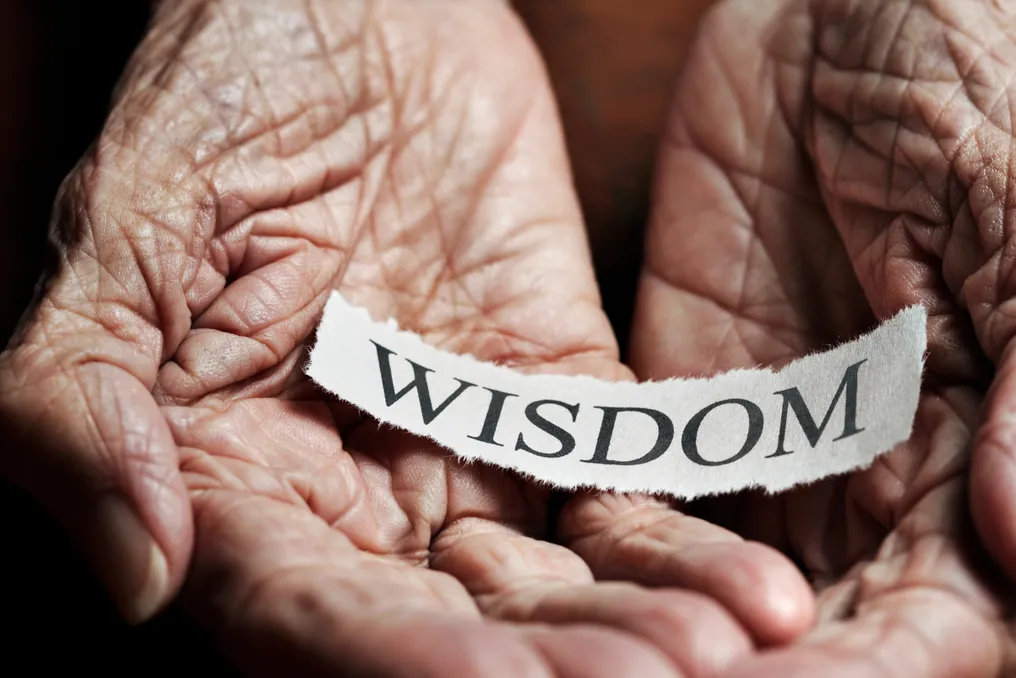
In an era where information is available in seconds, acquiring knowledge has become easier than ever. However, simply having access to facts does not guarantee making the right decisions, building meaningful relationships, or achieving a fulfilling life.
Wisdom goes beyond mere knowledge; it is the ability to apply existing information using judgment, perspective, and understanding. Philosophers and thinkers throughout history have argued that knowledge alone is incomplete without wisdom to guide it.
The distinction between knowledge and wisdom has long been recognized in philosophy, where wisdom is often associated with knowing what truly matters and how to live with dignity.
In 'The Road to Character,' David Brooks explores the qualities that shape a meaningful life. He argues that modern society tends to reward achievement, status, and external success while ignoring modesty, honesty, and moral depth.
Through stories of historical figures, Brooks shows that wisdom comes not from accumulating information, but from developing character through struggle, self-reflection, and service to others. The book emphasizes that true growth occurs when people learn from their mistakes and cultivate virtues that guide their decisions.
Jonathan Haidt's book, 'The Righteous Mind,' analyzes why intelligent people often disagree on morality, politics, and religion. Based on psychology and philosophy, Haidt demonstrates that human beings are influenced by emotions, intuitions, and social instincts as much as by reason.
The book teaches readers that wisdom includes understanding the limits of one's own viewpoint and being willing to accept other perspectives. Instead of merely collecting facts, wise people develop humility, allowing them to question their assumptions and appreciate the complexity of phenomena. This deeper understanding of human nature makes the book a powerful exploration of practical wisdom.
'The Art of Worldly Wisdom,' first published in the seventeenth century, remains one of the most influential books on practical intelligence and judgment. Written as a collection of short maxims and aphorisms, it focuses on navigating life, relationships, and difficulties with prudence and insight.
Grassian emphasizes that success often depends less on what people know than on how they apply their knowledge. His observations on human behavior, decision-making, and self-control remain strikingly relevant. The book illustrates that wisdom is often the art of knowing when, where, and how to act.
Daniel Kahneman's groundbreaking work examines two systems that shape human thought. One is fast, intuitive, and emotional, while the other is slow, analytical, and deliberate. The book reveals how cognitive biases often distort our judgment, even when we possess accurate information.
Kahneman proves that knowledge alone is insufficient to protect people from errors. Wisdom requires awareness of how the mind works and the discipline to test assumptions before making decisions. By helping readers recognize common thinking errors, the book shows how wisdom arises from self-awareness and reflection, not just intellect.
Alan Watts challenges the modern obsession with certainty, control, and constant planning. In 'The Wisdom of Insecurity,' he argues that many people accumulate knowledge in an attempt to feel secure, whereas true peace is achieved by learning to fully inhabit the present moment.
Watts merges Eastern philosophy with Western thought, showing that wisdom lies in accepting uncertainty rather than resisting it. The book encourages readers to move beyond intellectual understanding and develop a deeper awareness of themselves and their experience.
Knowledge helps us understand the world, but wisdom helps us navigate it. Facts can inform us, but wisdom teaches us how to act, what to value, and how to respond to life's challenges. These five books demonstrate that wisdom is rooted in judgment, self-awareness, humility, and experience. As ancient and modern thinkers alike emphasized, practical understanding and sound judgment matter more than merely possessing information.