Modi marked a decade of UPI, calling India's achievement in digital payments an important milestone
Read more
The times of India
timesofindia.indiatimes.com

Modi marked a decade of UPI, calling India's achievement in digital payments an important milestone

Narendra Modi on Tuesday marked the tenth anniversary of the Unified Payments Interface (UPI), characterizing its scale and reach as a significant achievement in the development of digital payments in India. He also urged citizens to share how the platform has impacted their lives.

In his post on the social media platform X, Prime Minister Modi stated that the launch of UPI ten years ago marked a 'turning point' in India's digital payment journey. He emphasized that the vast scale and wide adoption of UPI are a source of pride for every Indian, and asked citizens to share their experiences using UPI and how it has changed their lives.

UPI has transformed into a widely used platform for digital payments in India, allowing users to make instant bank transfers via mobile devices. This decade-long milestone demonstrates the expansion of the digital payments sphere across the country, as UPI has become an integral part of daily financial transactions.

Similar stories

Digital financial inclusion is necessary to improve women's well-being
Read more
timesofindia.indiatimes.com

Digital financial inclusion is necessary to improve women's well-being

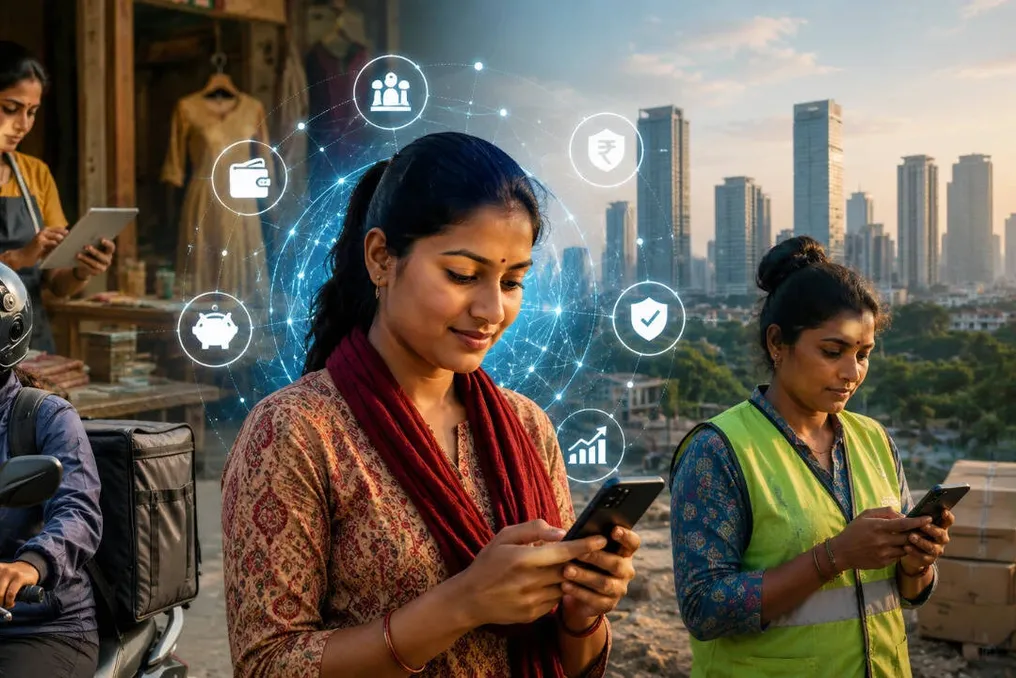
According to an ILO-NCAER analytical note, despite the flexibility offered by the gig platform, women's participation in India's growing platform economy remains limited. The main obstacles are insufficient access to formal financial services, digital literacy gaps, security concerns, and restrictive social norms.

The document, titled 'Promoting Digital Financial Inclusion for Women in the Platform Economy,' emphasizes that women require access to a wide range of financial services throughout their work on platforms. These services include seed capital, short-term loans, insurance, savings tools, and financial planning.

Lending based on cash flows was noted as a key lever for ensuring accessibility, especially since women less frequently own land or property that can be used as collateral. Digital records of payments through platforms can provide lenders with verifiable proof of income and repayment capacity.

During a round table on the release of this analytical note, NCAER CEO Suresh Goyal stated that 'a woman's best protection is small personal savings, and access to credit and mobility are crucial conditions for improving women's employment opportunities. The platform economy has provided this opportunity.'

The analytical note identified two ways to utilize women's digital footprint: applying India's Open Data Infrastructure, including the Account Aggregator system, to ensure financial data portability; and enabling platforms to collaborate with lenders by offering loans, savings, and insurance through their applications.

ILO Country Director Michiko Miyamoto noted that 'digital financial inclusion must enable women to build financial security, resilience, and viable sources of income.'

Senior ILO Specialist Radhika Kapoor pointed out that integrating open financial data infrastructure with e-Shram records could expand access, provided measures against algorithmic bias are implemented.

Furthermore, the note highlighted device ownership as a barrier, as women's digital access is often mediated by family members.

According to NITI Aayog estimates, the platform workforce in India could grow from 12 million in 2024–25 to 23.5 million by 2029–30. Professor Ratna Sahai, Director of the Gender and Macroeconomics Centre at NCAER, concluded that 'the digital footprint in platforms can radically change the situation for women in accessing credit, provided there is regulation that stimulates innovation while ensuring consumer protection and financial stability.'
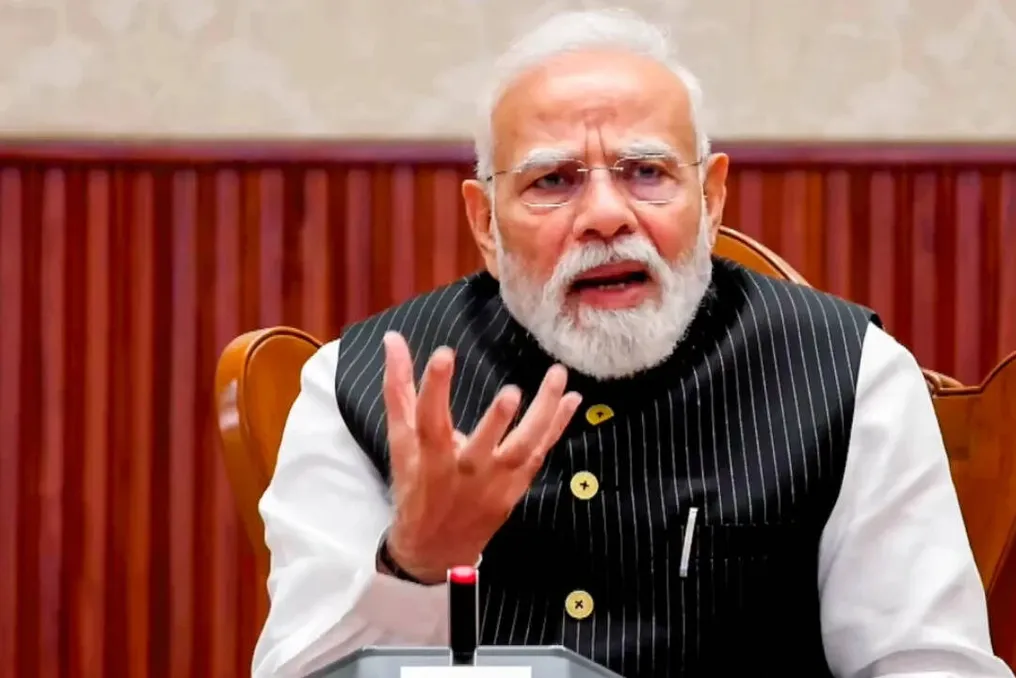
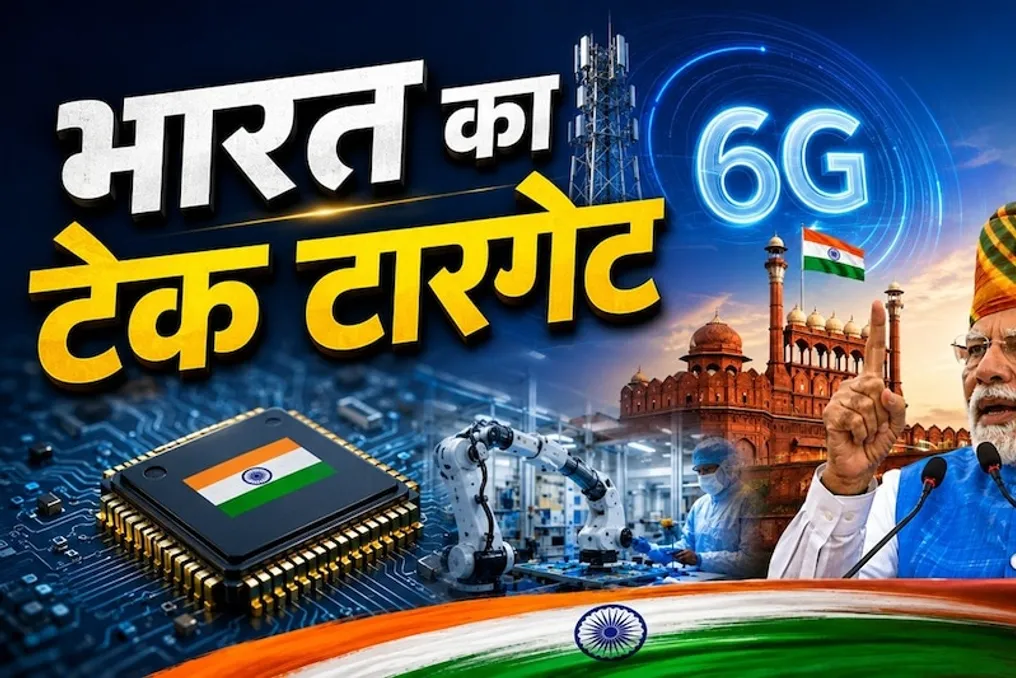
PM Modi set technological goals, including 6G and semiconductors, at the Red Fort
Read more
www.aajtak.in

PM Modi set technological goals, including 6G and semiconductors, at the Red Fort

During the celebration of the country's 80th anniversary of independence, Prime Minister Narendra Modi delivered a speech from the Red Fort, emphasizing India's rapid development in the technology sector.

Modi stated that mobile phone production has increased thirty-threefold, and the country has also achieved successes in digitalization and innovation in the modern world. He also announced that 6-7 semiconductor plans will soon be created in India, and that work on data centers in the country is actively underway.

Currently, many mobile brands such as Apple and Samsung have opened manufacturing facilities in India. Moreover, brands like Apple and Samsung export smartphones produced in India, which benefits India itself. Thanks to the mobile equipment manufacturing capabilities in the country, new employment opportunities have emerged.

Prime Minister Narendra Modi also noted that electronic manufacturing in India has increased by approximately seven times. He stressed that over the last twelve years, India has made significant strides in both the technology sector and other areas.

Modi stated that the country has gained a new pace of development over the past twelve years. He noted that it is impossible to stop more than one hundred forty million citizens of the country. Furthermore, over the past twelve years, defense production has increased by approximately four times, and electronic production by seven times.

Popular