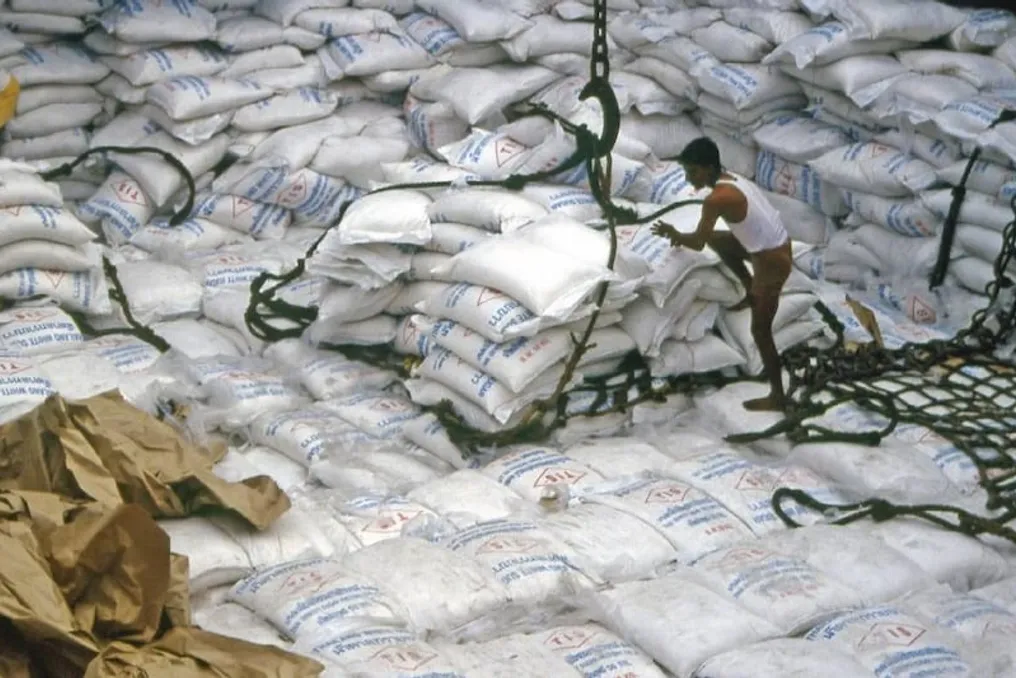
ISMA releases 20 updates on sugar prices in China; price hike stated to be temporary
Read more
Aaj Tak
www.aajtak.in

ISMA releases 20 updates on sugar prices in China; price hike stated to be temporary

The recent increase in sugar prices in retail and wholesale markets has directly impacted the monthly expenditure of common consumers, leading to higher prices for items like sweets and tea. In light of this rising inflation, the government has become active.

The government claims that there is no shortage of sugar in the country, as sufficient stock is available to meet domestic needs according to the Indian Sugar Manufacturers Association (ISMA) and government data. However, factors such as festive demand, production shortfalls, seasonal effects, surge in international prices, and hoarding at certain levels are responsible for the recent price hike. ISMA believes that this rise in sugar prices is temporary and that prices are likely to fall in the coming time.

To control prices, the government has permitted the import of 10 lakh tonnes of duty-free raw sugar and has set strict stock limits to prevent hoarding. The start of the new crushing season and the arrival of new stock in the market are expected to stabilize sugar prices, preventing an additional financial burden on the general public.

In this context, ISMA has provided 20 important updates regarding sugar news. These indicate that India has adequate sugar reserves and no structural deficit. Net sugar production for the 2025–26 season is estimated to be around 279 lakh metric tonnes (LMT), while the country's annual domestic consumption is estimated to be between 280 and 285 LMT. The closing stock at the end of the season is estimated to be around 35 LMT, which will ensure uninterrupted domestic supply.

Reasons for the price increase include lower-than-expected production, festive demand, market sentiment, and strength in international prices. As a precautionary measure, the government has granted exemption for the import of 10 lakh metric tonnes of duty-free raw sugar and has implemented strict rules related to stockholding limits, physical stock verification, and weekly disclosures concerning GST checks. The current stock limit for dealers is 400 tonnes, which ISMA has suggested reducing to 200 tonnes.

Artificial scarcity of sugar in the market is being caused by hoarding and forward stocking by some traders. ISMA and other concerned parties are working to start the 2026–27 crushing season 10 to 15 days earlier. Furthermore, special crushing work has already begun in Tamil Nadu and Karnataka. A significant increase in sugar production is expected in October 2026, potentially reaching around 10 lakh metric tonnes compared to the normal 4 lakh metric tonnes.

Continuous availability of sugar in the open market will be maintained through existing stocks and a well-planned monthly release quota system. According to ISMA, the Ethanol Blending Program (EBP) is not responsible for the current increase in sugar prices. In the 2025–26 season, the total ethanol supply will consist of 75% grain-based and only 25% sugar-based ethanol. The total ethanol supply is estimated to be around 1,197 crore liters, with the blending rate reaching up to 20%.

The ethanol program has improved the financial position of mills, and approximately 97% of the sugarcane dues for the 2025–26 season have been paid by August 20, 2026. International sugar prices have seen a massive jump; they rose from $474 per tonne on June 30 to $552 per tonne on August 20, 2026, an increase of over 16%. According to ISMA, the current situation is much better than in 2016–17, when production was only 203 LMT against a demand of 245–250 LMT. In conclusion, the recent price increase is merely a temporary phenomenon and is not related to any fundamental shortage.
Similar stories

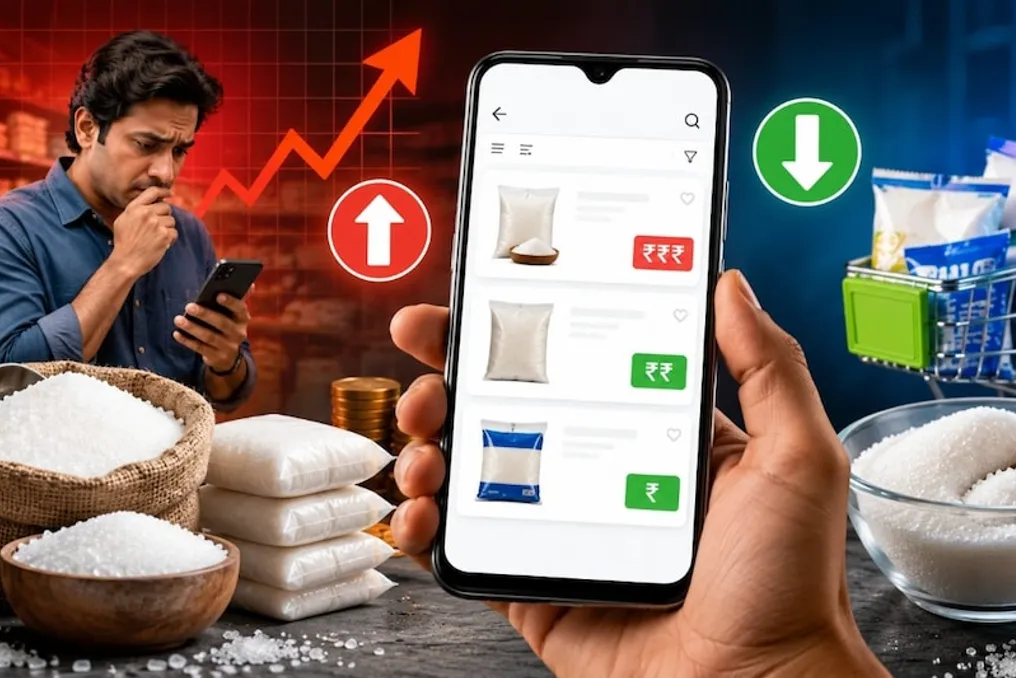
Government adopts two decisions, leading to a significant drop in sugar prices
Read more
www.aajtak.in

Government adopts two decisions, leading to a significant drop in sugar prices

Residents of the country have received good and relieving news regarding sugar prices. After a period of sharp price increases caused by recent events, a decline is now being observed. Thanks to decisive measures taken by the central government, exclusive sugar prices have dropped by 18%, reaching 55 rupees per kilogram.

According to Food Secretary Sanjeev Chopra, a further decrease in sugar costs is expected in the near future. The exclusive price is the cost at which the sugar factory sells sugar to the wholesale trader.

Over the last fifteen days, the country's sugar market experienced a sharp rise. The exclusive price of sugar rose to a record high of 67 rupees per kilogram. Sanjeev Chopra explained this sudden jump by stating that sugar factories were arbitrarily increasing their tariffs. The price increase from the factories led to sugar becoming expensive in the market, which was reflected in both wholesale and retail prices.

As soon as sugar prices reached 67 rupees per kilogram, the central government immediately adopted two extremely important decisions. To strengthen supply in the market, the government approved the import of sugar. Opening channels for sugar supply from foreign markets eliminated concerns about sugar shortages in the domestic market.

The government also clearly stated that it would not spare those involved in sugar speculation and illegal stockpiling. Strict supervision and restrictions were introduced to prevent stockpiling, limiting the opportunities for speculators.

The consequences of these strict government measures were immediately apparent in the market. Sugar factories were forced to lower prices. Currently, the exclusive price has decreased from 67 rupees per kilogram to 55 rupees per kilogram. It is expected that sugar prices will also fall in the retail market in the coming days.

The Food Secretary expressed confidence that the trend of decreasing sugar prices will continue. After the normalization of the supply chain and the arrival of imported sugar, a further drop in exclusive tariffs is expected in the near future.

When the exclusive price of any product decreases, this benefit directly reaches retail stores through the wholesale market. Since the exclusive price has been set at 55 rupees per kilogram, sugar prices in local grocery stores will also be lower in the coming days.

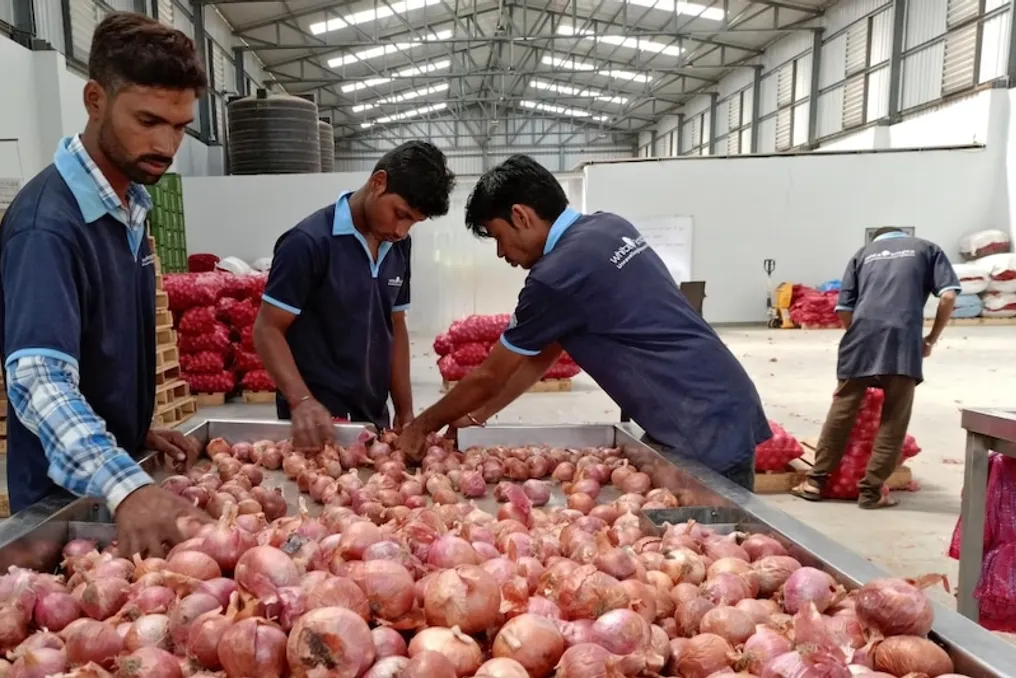
Rise in onion prices following sugar price hike causes consumer concern
Read more
www.aajtak.in

Rise in onion prices following sugar price hike causes consumer concern

Parallel to the continuous rise in sugar prices ahead of the holiday season, which is causing political disputes, onion prices are also showing a sharp increase, leading to public dissatisfaction. There has been a sudden and significant rise in the cost of onions.

In retail trade, the price per kilogram of onions has reached 60-65 rupees, whereas previously it was 30-35 rupees per kilogram.

Potatoes, onions, and tomatoes are vegetables commonly used daily in the kitchen, and their price increases negatively affect household budgets. This situation is currently being observed. According to reports, the surge in onion prices has affected regions such as Delhi-NCR, Nashik, and Chennai.

According to the Department of Consumer Affairs, the average retail price for onions was about 42 rupees per kilogram, which is approximately 19-20% higher than a month ago. In Delhi-NCR markets, onions are sold at a price of 60-65 rupees per kilogram. In Nashik, the cost of onions increased by more than 70% in one month.

Due to the sharp jump in onion prices, the government is preparing to start distributing onions from its reserve stocks to ensure supplies in cities where shortages and rapid price increases are observed.

This rapid rise in onion prices occurs while sugar prices have already dampened the festive mood. Sugar prices have increased in the country, and in just a few days, the retail price exceeded 65 rupees per kilogram or even more. Over a month, the price rose by approximately 15%.

Issues of sugar pricing have become the subject of heated political debates in India. The opposition uses sugar as a major topic for criticizing the government, claiming that the use of sugarcane for ethanol production leads to a reduction in sugar supply in the country, which causes the rise in sugar prices. However, the government under Narendra Modi has rejected these accusations, stating that there is no shortage in the country and that ethanol is not the cause of the price increase.

Popular