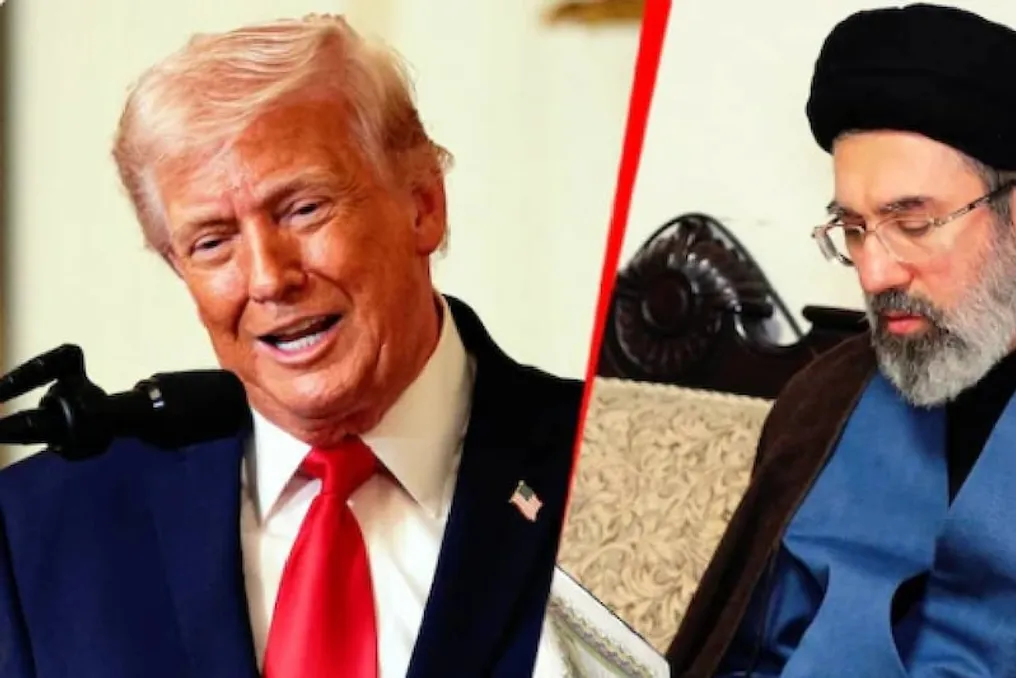
Amid the ongoing conflict between the US and Iran, which has lasted about six months, tensions have reached a peak following President Donald Trump's statements regarding the recognition of the Strait of Hormuz as American territory and the imposition of the harshest economic sanctions in history. In response, the Chief of Staff of the Iranian armed forces, Major General Ali Abdollahi, announced readiness to give a decisive answer to new US threats in all spheres: land, sea, air, air defense, and cyberspace.
This new dispute intensified against the backdrop of disruptions to shipping in the strategically vital Strait of Hormuz and rising global oil prices. Major General Ali Abdollahi emphasized that Tehran is fully prepared to respond to any US actions across multiple fronts. He stated that the Iranian army, remaining vigilant on land, at sea, in the air, in air defense, and in cyberspace, would deliver a 'crushing and painful response' to the enemy's new threats.
Despite significant damage inflicted on Iran's economy and traditional military capabilities during the six-month confrontation, the country retains potential in missile and drone technologies.
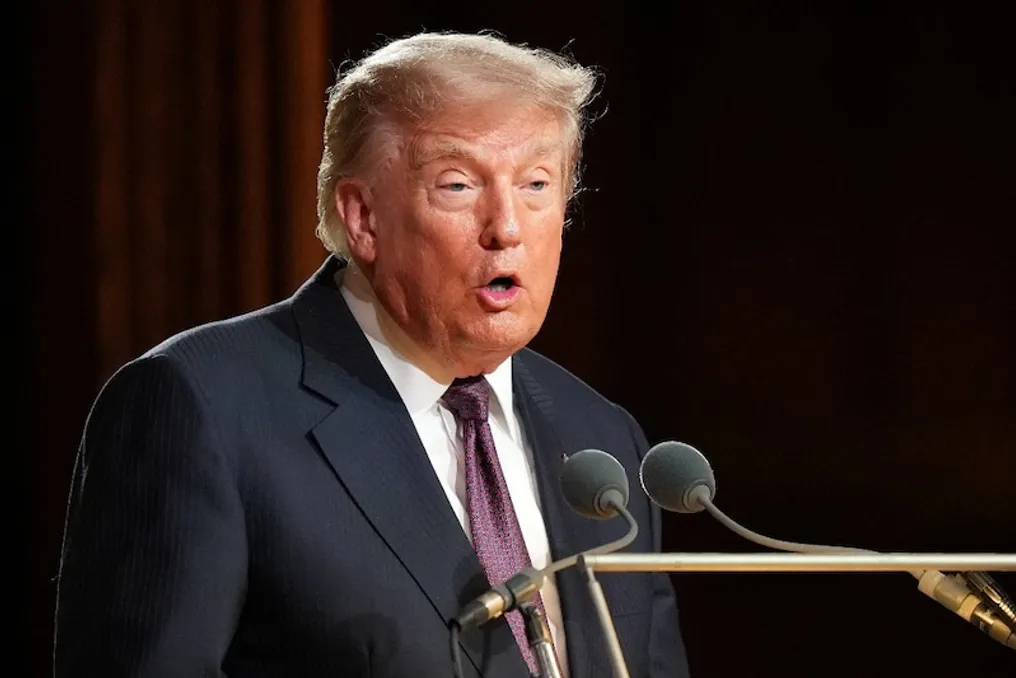
US President Donald Trump made a major statement regarding the strategic waterway, the Strait of Hormuz. Speaking to journalists, Trump stated that he is currently considering the Strait of Hormuz as American territory. He insisted that full control over Hormuz and adjacent territories rests with the US.
According to Trump, Iran wishes to reach an agreement, but, in his words, it is not yet ready to conclude a suitable treaty.
During a rally in Myrtle Beach, South Carolina, President Donald Trump reiterated that Iran must under no circumstances be allowed to acquire nuclear weapons. Trump warned that acquiring nuclear weapons by Iran would lead to very negative consequences. He asserted that the US has actively hindered Iran's nuclear ambitions and that Tehran will never obtain nuclear weapons.
US Treasury Secretary Scott Bassent announced that a detailed list of new and stricter financial restrictions against Iran would be published on Monday. Bassent called this strategy multilateral pressure, noting that in addition to existing blockades, they plan to introduce the harshest restrictions in history. The goal of this economic campaign is to overthrow the current leadership and regime of Iran. Trump also cautioned other countries against providing economic aid to Iran, warning of possible consequences.
China, the largest buyer of Iranian oil by sea, rejected this American approach to sanctions. According to an official statement from the Chinese embassy in Washington, sanctions and excessive pressure never solve problems. China called for a diplomatic resolution to the dispute. Statistics show that more than 80 percent of the total volume of Iranian oil exports by sea in 2025 was destined only for China.
The Speaker of the Iranian Parliament, Mohammad Bagher Ghalibaf, acknowledged the immense pressure being placed on the economy due to US threats while affirming his determination to resist these threats. In neighboring Iraq, he stated that plans must be developed to overcome unfair restrictions. Ghalibaf warned that the country cannot function solely on military might; if people are starving, there is no financial turnover, economic development, or national production, and the survival of the country is impossible.
Following the US threats, global crude oil prices rose. Brent Crude reached $94.39 per barrel, and West Texas Intermediate reached $87.06 per barrel. Before the war, one-fifth of global oil trade passed through this narrow route. Currently, there is a sharp decline in shipping, with only seven cargo ships registered on Thursday.
Separate negotiations took place between Iran and Oman regarding customs collection to restore normal shipping through the Strait of Hormuz, but the US opposed levying any fees or taxes on vessels. Meanwhile, NATO Commander-in-Chief, US Air Force General Alexis Grinkevich, held a video conference with the heads of allied defense departments to discuss freedom of navigation in the Strait of Hormuz. The representative clarified that this is not a NATO mission, but NATO capabilities may be useful for coordinating maritime security issues.
It should be noted that the six-month conflict has dealt serious damage to Iran, but Trump has not been able to fully realize his stated goals. The rise in fuel prices resulting from this confrontation has also affected Trump's popularity in the US. According to a recent poll, Trump's approval rating reached its lowest level during his current term. Despite two truces in April and June, a permanent solution has not been reached.