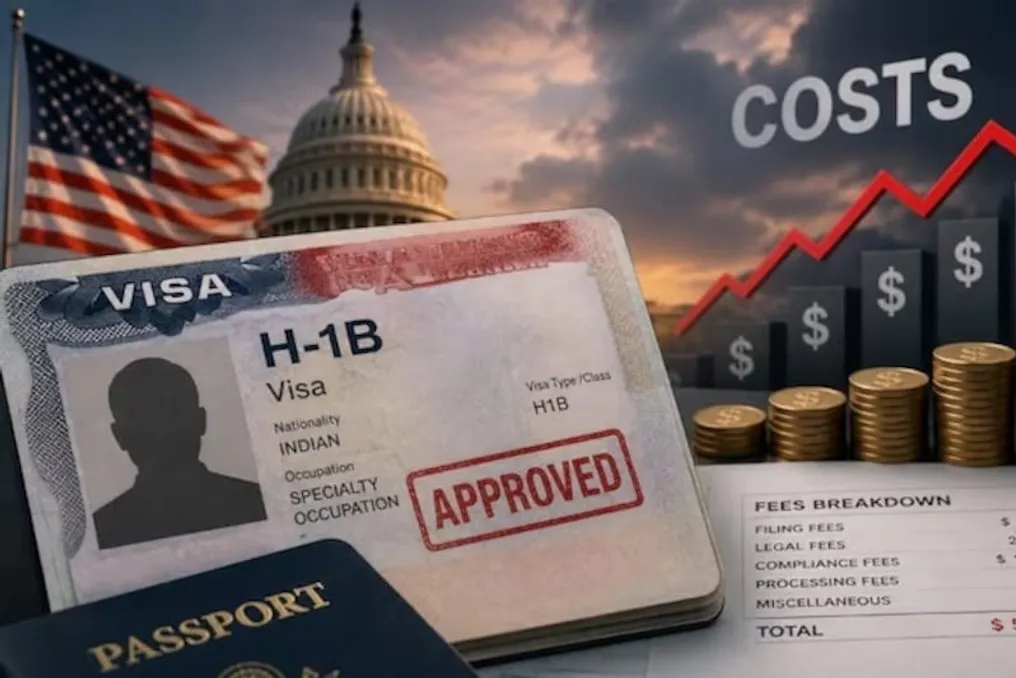
Concerns are rising among Indian IT specialists regarding potential difficulties in obtaining an H-1B visa as the Trump administration prepares to increase fees for this visa. A proposal has been put forward to set the fee for the new H-1B work visa at over one hundred thousand dollars, potentially amounting to $103,265.
It is important to note that this new levy will not be limited only to foreign applicants but may extend to most new H-1B visa applicants. The U.S. Department of Homeland Security published this proposal in the Federal Register. If it receives final approval, this fee could become permanent, and the administration plans to finalize it by the end of the year.
Previously, the Trump administration introduced a temporary fee of $100,000 for the H-1B visa last year. However, in June, a federal judge ruled that this fee was illegal, prohibiting the administration from collecting it. Currently, the American administration is challenging this decision, and the case is being heard in the appellate court, alongside another proceeding challenging this fee.
What is an H-1B visa?
The H-1B visa allows American companies to hire foreign employees in fields requiring specialized technical knowledge and skills. It is widely used in sectors such as technology, education, and research. Sixty-five thousand standard H-1B visas are issued annually, with an additional twenty thousand visas allocated for foreign workers with advanced degrees.
Typically, these visas are granted for a period of three to six years. Before the Trump proposal, the standard fee for an H-1B visa was around $2,000–$5,000, making the proposed amount of $103,265 many times higher than previous rates.
Nevertheless, this proposed fee will not apply to all H-1B visas. New H-1B visas obtained by foreign nationals who already hold a student visa in the U.S. will be excluded from this rule. Furthermore, this fee will not apply to the extension of existing H-1B visas.
Despite this, if this rule becomes permanent, it will become significantly more expensive for American companies to attract highly qualified employees from abroad. There is concern that this will affect IT specialists from countries such as India, a large portion of whom works in the U.S. on an H-1B visa.