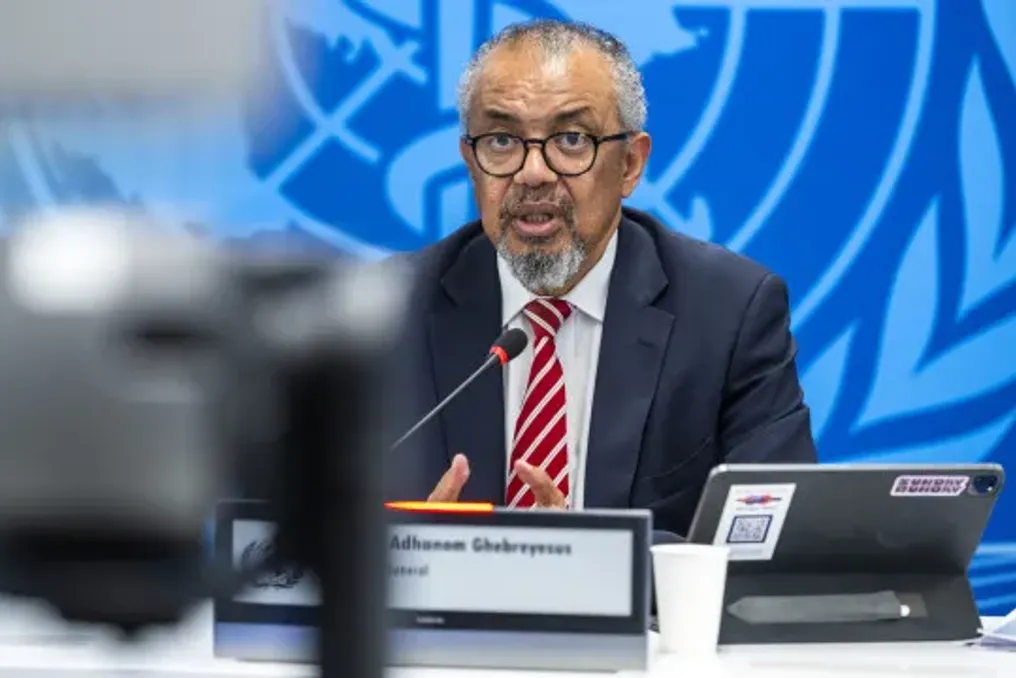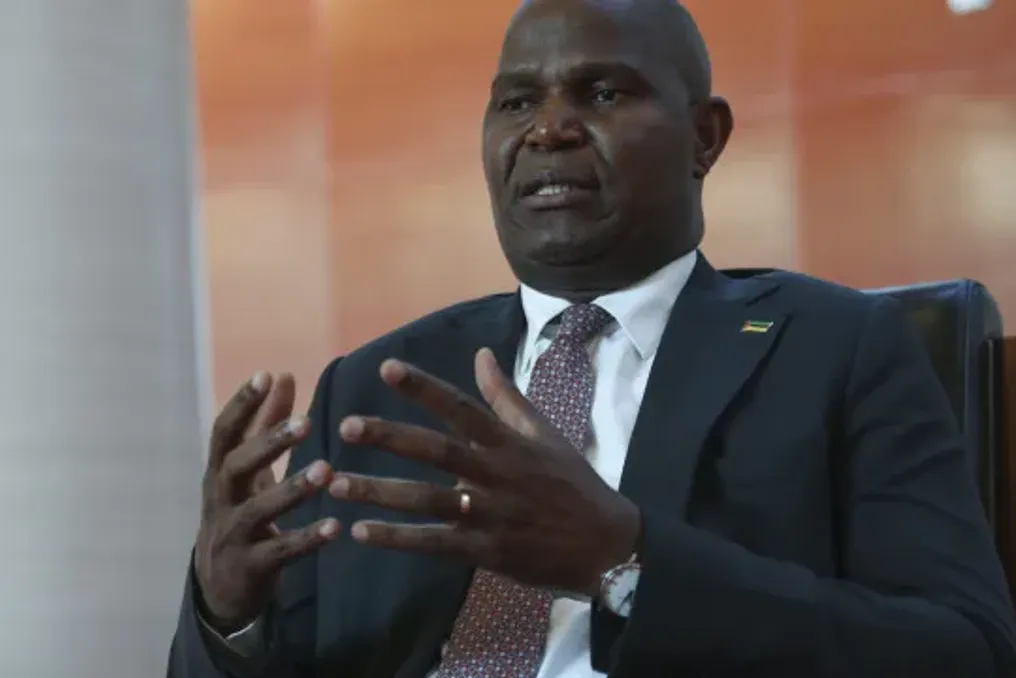
The World Health Organization (WHO) has classified Mozambique as a reliable regulator in the field of medicines and vaccines. Sylvie Briand, WHO Chief Scientist and Acting Deputy Director-General for Health Systems, Access and Data, stated that this achievement is the result of continuous investment in regulatory capacity, which will bring essential benefits to public health.
This distinction was granted to the National Regulatory Authority of Medicines of Mozambique (Anarme), which received a WHO classification intended for authorities capable of performing the primary functions of vaccine and medicine oversight according to international standards.
Briand emphasized that the existence of robust regulatory systems serves to protect the population, strengthen confidence in health products, and help countries deal more effectively with growing public health challenges and needs.
With this recognition, Mozambique becomes the first Lusophone African country and the tenth on the continent to achieve this level. According to the WHO, this means that the national regulatory authority possesses the necessary competence to ensure that medicines and vaccines are assessed for their quality, safety, and efficacy, and are monitored throughout their entire lifecycle.
The UN agency stresses that such recognition offers populations greater assurance that inputs available in the local market meet appropriate standards, and that authorities are better equipped to identify safety risks, as well as counterfeit or substandard products.
The classification was the result of years of institutional strengthening carried out by Anarme, with technical support from the WHO. The WHO used the Global Benchmarking Tool (GBT) to evaluate the national regulatory system, measuring performance in areas such as inspections, pharmacovigilance, drug authorization, laboratory control, and market surveillance.
In addition to internal effects, the organization argues that including Mozambique in this group of recognized regulators can expand opportunities for collaboration with other African and international entities. The WHO points out that systems classified as ML3 can more easily access mutual recognition and regulatory trust mechanisms, which reduces the need to repeat procedures and optimizes resource use.
Briand added that Mozambique's progress also contributes to strengthening regulatory capacity in Africa and promoting fairer access to safe and certified quality vaccines and medicines. The WHO also mentioned that the Mozambican experience can serve as a model for other Portuguese-speaking African countries, assisting in strengthening the continental regulatory system, especially as the African Medicines Agency seeks to accelerate cooperation and convergence among national bodies.
This recognition was formally validated by the Technical Advisory Group for Strengthening Regulatory Systems, an independent panel created by the WHO with the aim of increasing credibility and transparency in the evaluation process of national regulatory authorities.