According to data from the Ministry of Economy and Finance, Uzbekistan's state debt increased to $48.32 billion in the second quarter of 2026. This figure exceeded the $46.99 billion recorded in the previous quarter, representing an increase of $1.33 billion.
During the same period, the share of state debt in GDP rose from 26.3% to 27.0%. External debt remained the largest component, increasing from $39.78 billion in the first quarter (accounting for 85% of total debt) to $40.71 billion in the second quarter (84%). Meanwhile, the ratio of external debt to GDP rose from 22.2% to 22.8%.
Domestic debt grew from $7.21 billion to $7.60 billion. Its share of total state debt increased from 15% to 16%, and its ratio to GDP rose from 4.0% to 4.2%.
Fixed-rate loans accounted for the largest share of external debt. Their volume increased from $20.78 billion to $21.72 billion, and their share rose from 44% to 45%. The share of floating-rate loans decreased from 40% to 39%.
The share of foreign currency-denominated external debt decreased from 82% to 80%, while the share of obligations denominated in the national currency increased from 2% to 4%. Almost all external debt remained long-term: obligations with a repayment period of more than one year amounted to $39.29 billion, or 81%, in the second quarter.
Within domestic debt, instruments denominated in the national currency accounted for 10%. The share of foreign currency obligations decreased from 6% to 5%. The short-term portion of domestic debt increased from $0.80 billion to $1.17 billion.
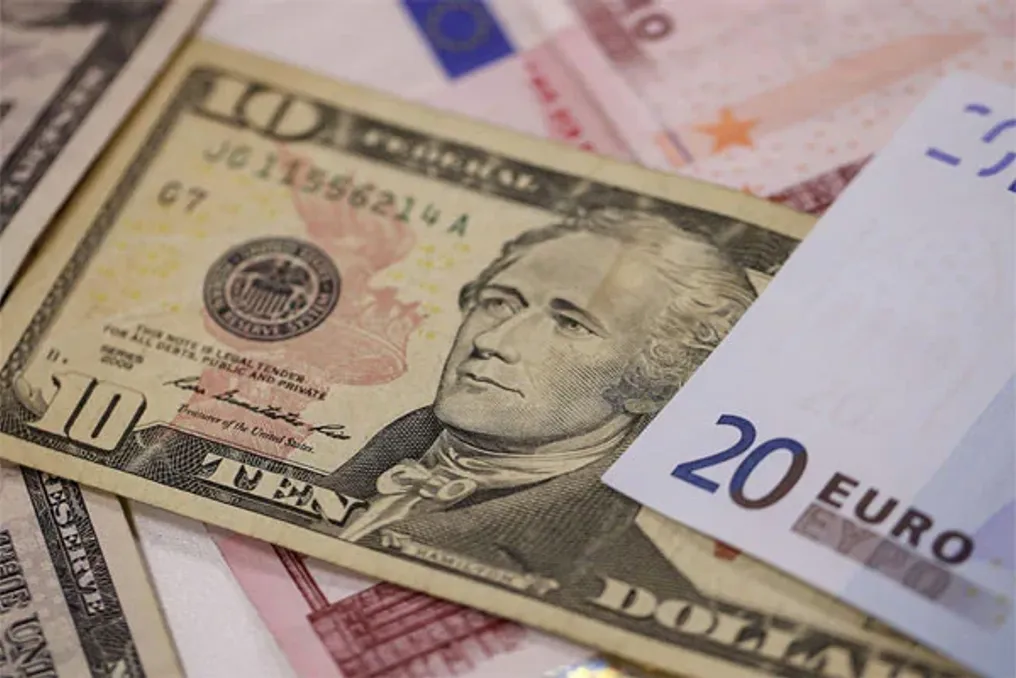
The US dollar remained the largest currency in Uzbekistan's external debt, amounting to $27.44 billion or 57%, which is lower than the 58% recorded in the previous quarter. The euro provided $3.90 billion (8%), and the Japanese yen accounted for $2.75 billion (6%). Debt denominated in Chinese yuan increased from $1.39 billion to $1.50 billion, while its share remained around 3%. The share of the Uzbek sum in external debt doubled from 2% to 4%.
International financial institutions continued to be the largest group of creditors, taking on $22.48 billion, or 55% of external debt. Among them, the World Bank provided $9.12 billion (22%), and the Asian Development Bank provided $8.18 billion (20%). The Asian Infrastructure Investment Bank contributed $2.32 billion, and the Islamic Development Bank contributed $1.20 billion.
Financial institutions of foreign governments accounted for 28% of external debt, totaling $11.45 billion. The China Development Bank and the Export-Import Bank contributed the most to this group, each providing $3.89 billion.
The share of investors holding Uzbekistan's international bonds increased from 15% to 17%, and the debt on Eurobonds increased from $5.80 billion to $6.78 billion.
Regarding the use of funds, half of the external debt, amounting to $20.53 billion, was directed towards supporting the state budget. The fuel and energy sector received $5.47 billion (13%), including $4.21 billion for electricity. Transport infrastructure received $3.06 billion (8%), while agriculture and water management received $3.34 billion (8%). Housing and utilities received $3.38 billion (8%). Other sectors, including healthcare, education, information and communication technologies, and others, received $3.72 billion (9%) of the external debt.