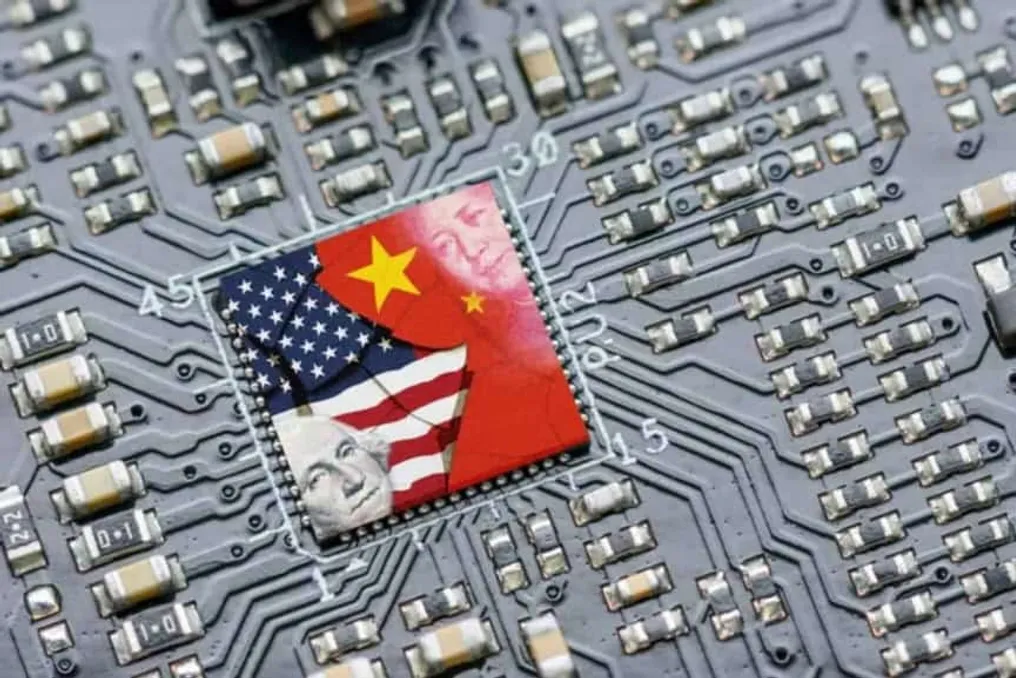
Nine individuals have been charged in Taiwan for assisting in the shipment of artificial intelligence servers equipped with advanced Nvidia chips to China. The case involves former employees of both Nvidia and Super Micro Computer and concerns the acquisition of 130 servers.
This investigation takes place against the backdrop of restrictions imposed by the United States on the export of advanced components to China. According to The Wall Street Journal, 74 of these servers reached the country using routes that passed through Hong Kong, Japan, and Indonesia. The remaining 56 were intercepted in Taiwan.
Two of the accused allegedly provided false information to obtain purchase permission for the Super Micro servers. They assured the approvers that the equipment would remain at a facility located in Taiwan and would not be sold or shipped to entities subject to US sanctions, claiming the operation complied with all US export regulations.
The accusation points out that a Super Micro collaborator disclosed internal procedures used in sales analysis. This individual reportedly contacted an Nvidia employee to secure server quotas. According to prosecutors, this Nvidia employee was aware of the plan but still informed managers that local inspections had been approved, despite the facility lacking adequate space for the racks, as well as sufficient power and broadband.
Of the 130 devices, 74 were destined for China via Hong Kong, Japan, and Indonesia, while Taiwanese customs managed to seize the other 56, which were scheduled to be sent to Japan.
Details of the Legal Proceedings
The legal proceedings cover several charges. Eight of the investigated individuals are responsible for offenses including forgery and breach of trust, while a ninth accused is allegedly involved in diverting funds from a company related to the case.
For the prosecutors, those involved were aware of export control regulations and acted with the aim of financial gain. The accused allegedly conspired, motivated solely by profit, to export high-tech servers, increasing compliance costs for companies.
The investigation began in May and intensified in June. Super Micro stated that it cooperates with Taiwanese authorities and other jurisdictions to protect its intellectual property and technology. The company is not the target of the investigation and has not been accused of irregularities; a recent internal audit, according to the company itself, concluded that its compliance team acted in good faith.
Super Micro expressed its intention to strengthen its compliance program and continue combating such operations. The incident highlights the complexity of preventing servers with restricted technologies from reaching China through indirect means.