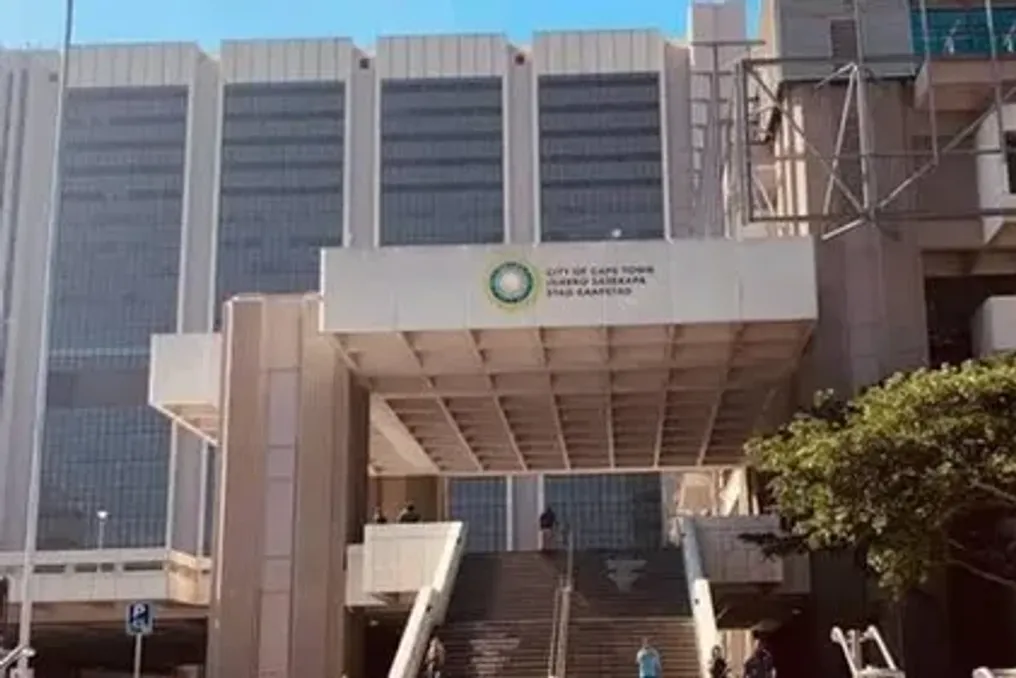
The City of Cape Town has approved a multi-billion rand contract for electricity supply from an Independent Power Producer (IPP). The goal of this agreement is to enhance energy security and reduce tariffs, despite concerns among residents regarding its impact.
The contract, which will be signed with Make A Difference Ventures, is part of a series of multi-year tenders spanning over three years. According to the report presented to the council, the inflation rate in this contract will be linked to the Consumer Price Index, unlike the unpredictable and significantly higher price increase index from Eskom.
The report further indicated that the contract terms stipulate a lower rate compared to the prices at which the City currently purchases electricity from Eskom. It is anticipated that consumers will benefit from reduced and slower-growing tariffs, with the City's savings over a 20-year period estimated at R1.7 billion.
The report also noted that the impact on tariffs would be less than the City of Cape Town's current expenditure on Eskom. Furthermore, the contract will affect revenue if the council decides to lower the fee paid by customers to reflect the cost of production.
The report added that the Cape Town economy will benefit significantly through business attraction driven by greater energy stability and more affordable energy costs.
However, ANC council member Siyabonga Duka expressed concern, believing the contract will benefit the city more than its residents. Duka pointed out that the available data is worrying because residents purchasing electricity through the City of Cape Town receive fewer units compared to those buying directly from Eskom. He questioned whether the City would invest direct capital in the IPP project and how this agreement would bring tangible benefits to households.
He warned against adopting a model where residents pay more for less, describing it as a 'wolf in sheep's clothing.' While presented as innovation and ensuring energy security, it could lead to increased tariffs for the least affluent segments of the population. Duka also called on the City to conduct a full cost-benefit analysis and ensure community participation in the process.
DA council member Zimkita Sulelo refuted the claim that residents receive fewer units when buying electricity from the City. Sulelo stated that this is the City's way of settling a debt, and they do not intend to apologize for it. She also reminded that Mayor Geordie Hill-Lewis initially promised to end Eskom's monopoly on electricity supply when the utility's tariffs were excessively high.
Sulelo acknowledged the seriousness of the 20-year commitment but emphasized that responsible financial management does not mean abandoning investments. She stated, 'We cannot complain about Eskom tariff increases and refuse to create alternatives.' She added that it is impossible to speak of energy security while remaining dependent on Eskom, nor can one claim to want affordable and reliable electricity while refusing to invest. In her view, political leadership must make difficult decisions at some point.
Despite objections from the ANC, GOOD Party, National Coloured Congress, Patriotic Alliance, and PAC, the contract was approved. Other approved multi-year contracts included a R100 million tender for engineering and environmental consulting, a R218 million tender for IT service management solutions, and a R179 million tender for the upgrade of Voortrekker Road in Maitland.