CNH do Brasil app integrates Free Flow toll road information for payment verification
Read more
Olhar Digital
olhardigital.com.br

CNH do Brasil app integrates Free Flow toll road information for payment verification

The CNH do Brasil application now consolidates data on the Free Flow toll system, allowing drivers to check charges directly through the app. This modernization, implemented by the Ministry of Transport, includes records from both federal and state highways, giving the driver the ability to find out where to pay the fee.

The goal of this change is to eliminate one of the main problems with this model—the need to independently determine which concessionaire to contact to settle the debt. Through the app, users can also track whether payment has already been made.

The verification process is available in the section designated for vehicles. To access these records, the driver must follow specific steps. The payment deadline is up to 30 days after passing through the portal. However, if a special tag is used, this process is unnecessary, as the payment is automatically processed by the company that issued the device.

For concessionaires, revenue collection is paramount. Now, everyone who passes through the Free Flow portal receives at least two notifications: one about the passage itself and a second when the 30-day payment deadline expires.

Marco Aurelio Barcelos, President Director of the Brazilian Association of Highway Concessionaires (ABCR), told G1 that the Free Flow system previously caused difficulties. Before the integration, each concessionaire company had its own channels, forcing the driver to independently search for a place to pay after passing through the portal. Furthermore, this situation facilitated fraud using fake websites.

In April of this year, the Ministry of Transport suspended 3.4 million fines related to electronic toll collection and also removed points from driving licenses. According to the ministry, this measure allowed for necessary adjustments and the integration of concessionaire communication with the federal system.

The Ministry also stated that 'a resolution from the National Traffic Council (Contran) regarding the extension of the approval period until December 2026 is currently being developed. The proposal is still in internal review and awaits legal consultation.'

Those who have not paid the fee will retain the option to settle the debt without a fine until December. After this date, a fine will apply to those who do not regularize the payment.

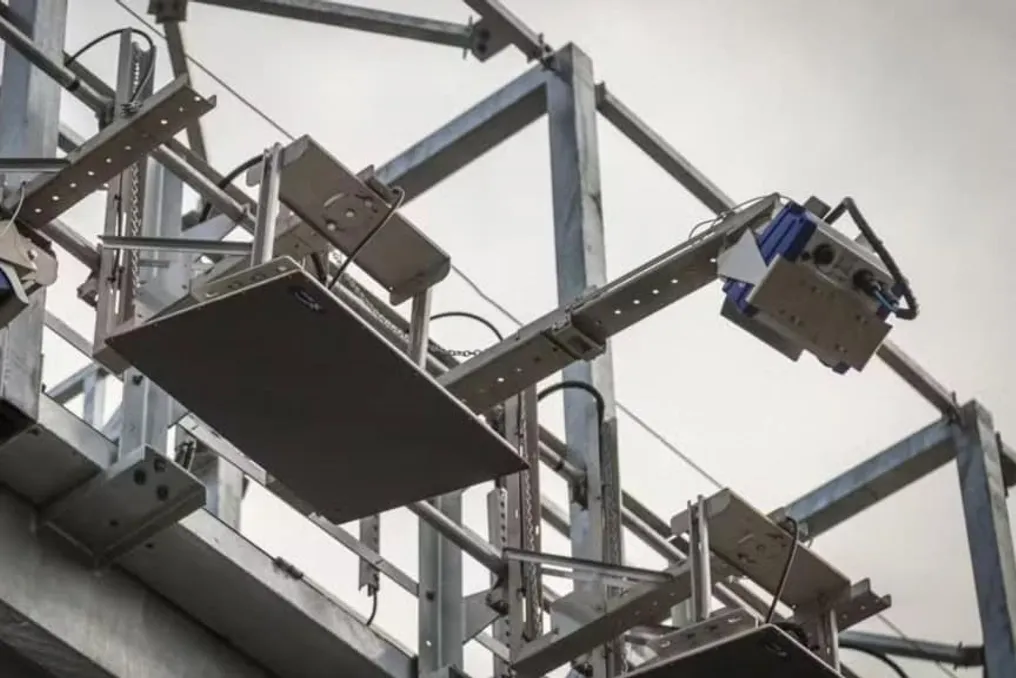
Electronic toll collection does not require drivers to use booths or reduce speed. Portals installed on highways are equipped with cameras and sensors that recognize tags and license plates. There are devices capable of creating three-dimensional images that help determine the vehicle type, number of axles, and even which axles are suspended. This data is used to determine the correct fee amount, including for trucks. Infrared lights are also activated in poor visibility conditions, such as fog or mist.

Evading the fee, whether at traditional stations or in the Free Flow system, is considered a serious violation. The fine is R$ 195.23 and results in five points on the CNH. Thanks to the update, the driver has an easier way to find out where to pay the fee before it turns into a fine.
Similar stories

Used vehicle transfer may be done via the CNH application with new rules
Read more
olhardigital.com.br

Used vehicle transfer may be done via the CNH application with new rules

The purchase and sale of used cars in Brazil will undergo a new digital process, as established by a resolution from the National Traffic Council (Contran) on Tuesday, the 18th. This standard aims to unify procedures that currently occur in distinct systems and phases.

The National Traffic Secretariat (Senatran) is responsible for implementing this tool, which will allow for the electronic transfer of used vehicles between individuals using the CNH do Brasil application. This initiative regulates a provision contained in the Brazilian Traffic Code (CTB) and foresees integration with the National Registry of Motor Vehicles (Renavam).

When the functionality is activated, both the buyer and the seller will be able to execute several stages of the transaction within a single electronic flow. The scope of the proposal covers everything from the initial registration of the negotiation to the finalization of the change of ownership.

Transfer Modalities

The foreseen procedures include the electronic signing of the transfer, verification and payment of fees and debts with the Detrans, as well as the formal conclusion of the change of owner. It is important to note that vehicle inspection will remain mandatory and will be incorporated into the process through available services.

The resolution also defines three forms of property transfer: conventional, electronic, and escrowed electronic. In the electronic modality, all stages can be conducted digitally, integrating with Renavam and meeting regulatory requirements, including inspection. In the escrowed electronic modality, the negotiation amount will be held in custody during the operation, being released only after the fulfillment of the prerequisites for the transfer.

If the operation is not completed, the rule stipulates mechanisms to block, reverse, and reimburse the involved amounts.

Some parts of vehicle transfer are already done digitally, such as the Digital Vehicle Ownership Transfer Authorization (ATPV-e), electronic signature, and electronic sales communication. However, currently, these procedures are executed in separate systems and stages. The new regulation creates the conditions for these elements to be integrated into an electronic flow linked to Renavam.

The change also incorporates rigorous security requirements for digital operations, providing for individual and multi-factor authentication, traceability, audit trails, and methods to prevent and detect fraud.

Implementation by Senatran

Resolution No. 1027 from Contran serves as the normative basis for introducing this new electronic process, but the tool is not yet available in the CNH do Brasil application. Senatran still needs to implement the service, and the availability of functionalities and access procedures will be defined according to the execution of the services provided in the resolution.

>
Brazil explains the operation of electronic voting machines to diplomats from 86 countries
Read more
noticiasaominuto.com

Brazil explains the operation of electronic voting machines to diplomats from 86 countries

Brazil held a meeting to explain the operation of electronic voting machines to diplomats from 86 countries. Fifty-seven confirmed ambassadors participated in the event, including representatives from Portugal, as well as the Coordinator of the United Nations (UN) Permanent Mission and the Representative of the European Union.

The representative of the United States Embassy in Brazil also sent their delegate, as the US does not yet have its own embassy in the country.

The highest body of the Brazilian Electoral Justice System announced that this meeting aims to discuss the fairness of the electoral process and to strengthen measures that promote election transparency and expand dialogue between the TSE and the international community.

At the opening of the event, the president of the TSE, Judge Cassio Nunes Marques, expressed his honor in hosting the heads of diplomatic delegations at the court. He stated that 'Brazil has become a global model for conducting elections over the past decades.'

Nunes Marques emphasized that Brazil possesses an effective electoral process guaranteed by technological systems that ensure the transparency, trust, and security of voting, thereby protecting the democratic right of voters.

The TSE President also highlighted the interaction of the Electoral Justice System with digital platforms to prevent and combat risks to the integrity of the electoral process. This includes content removal, profile suspension, data provision, and curbing illegal propaganda.

According to Nunes Marques, all platforms voluntarily complied with the requirements set by the court and presented plans to comply with measures to prevent and counteract situations that could jeopardize the integrity of the elections.

The judge also noted the cooperation of the Electoral Justice System with international organizations dedicated to promoting democracy and elections, naming the International Institute for Democracy and Electoral Assistance (IDEA) and the Inter-American Union of Electoral Bodies (UNIORE).

Nunes Marques reported that during the 2026 elections, international observation missions will be able to accompany various stages of the process, including auditing, preparation of electronic voting machines, voting, vote counting, and tabulation.

Furthermore, the judge warned about the risks of using artificial intelligence in elections, especially when creating video and audio materials capable of 'deceiving voters, distorting public debate, or undermining the free formation of political will.'

The TSE President mentioned an agreement with the company ElevenLabs to block, by consent, attempts to imitate or clone the voices of presidential candidates as part of disinformation combating initiatives.

Speaking about voting, Nunes Marques noted that foreign representatives will be able to 'attend... the movement of democracy' in October, when Brazilians will elect their next representatives through direct and secret voting.

Today's meeting agenda includes a presentation on challenges to democracy, focusing particularly on disinformation and artificial intelligence, followed by a report on election technology and the electronic voting system.

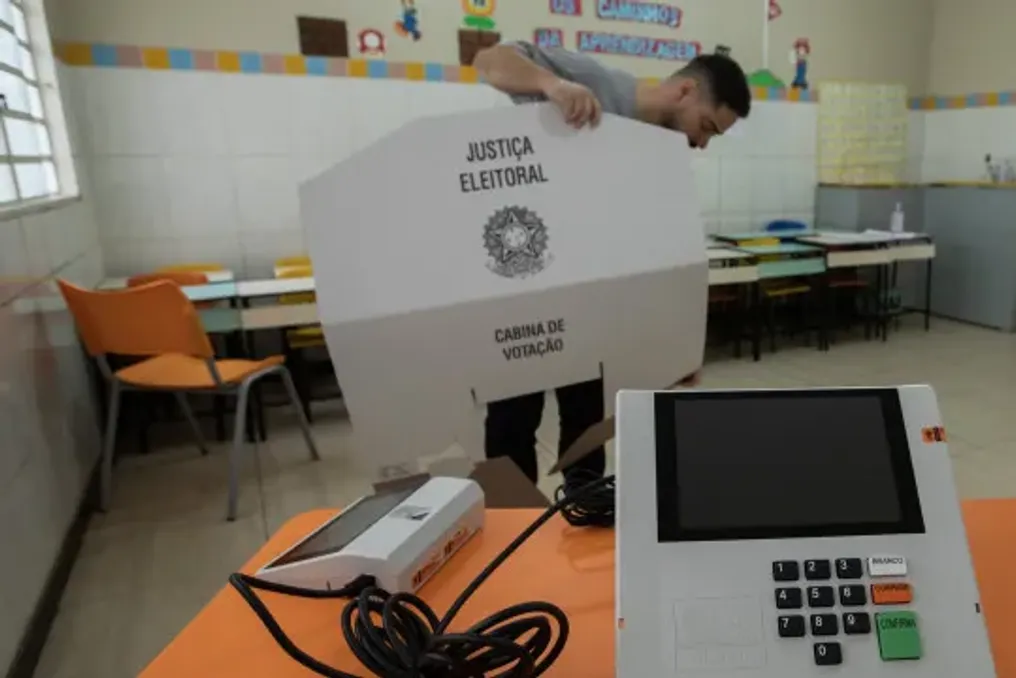
The topic of the voter registry and voter identification, as well as civil national identification and the provision of biometric services, will also be discussed. The event will conclude with a closing session and a simulation of voting on an electronic machine.

Popular