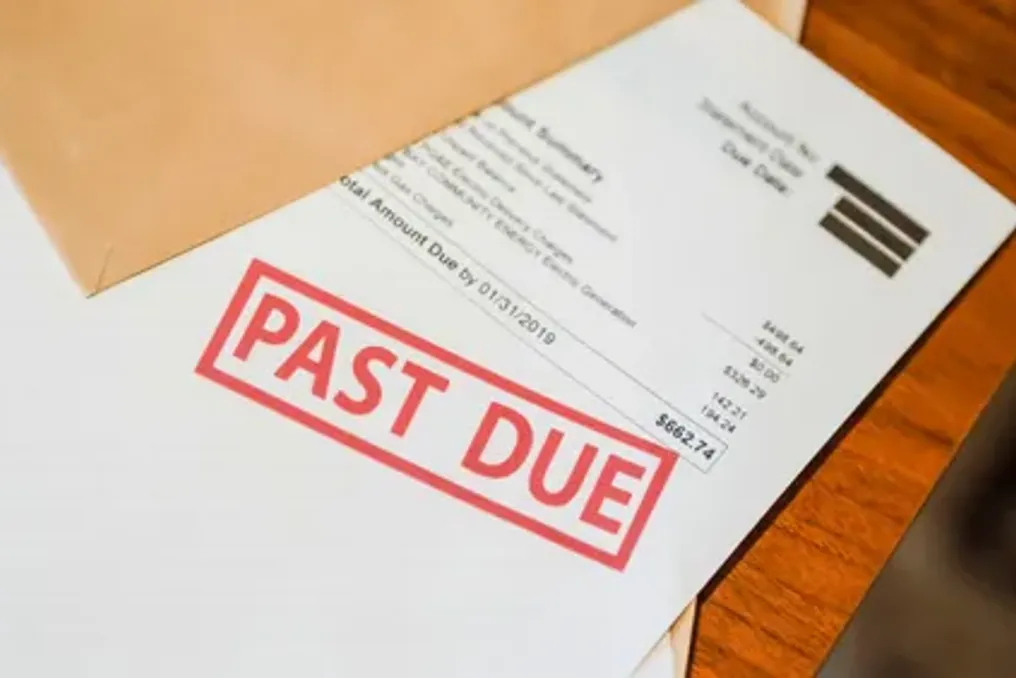
There is a growing trend of using credit to purchase food, driven by rising prices for groceries and other essential goods, as well as increased unemployment. Financial pressure on employees can negatively affect the workflow, impacting concentration, motivation, sleep, and overall productivity.
According to the Sanlam Benchmark 2024 report, half of pension fund participants at some point withdrew all their pension funds, with only about 6% of South Africans being on a trajectory for a comfortable retirement.
Since the launch of the two-container system in September 2024, over 2.4 million South Africans have withdrawn funds from their pension savings. The study found that up to 80% of these withdrawals were used to repay debts and cover basic living expenses.
Lack of Control
Alex Cook, CEO of the fintech company Wealthbit, noted that debt often accumulates gradually rather than as a result of one major financial mistake. He emphasized that the problem often starts with small gaps in an individual's financial system, such as lacking an emergency fund.
Cook also pointed out that expenses are often not tracked or are tracked very poorly. Using credit to cover short-term deficits creates a false sense of control, as these small issues can lead to serious financial difficulties over time.
He added that financial stress can become self-perpetuating: money worries affect sleep and concentration, and reduced productivity or poorer work results, in turn, worsen financial insecurity. Cook stated that debt affects not only the bank account but also a person's ability to focus, plan, and handle tasks at work, which impacts employee confidence, well-being, and effectiveness.
The scale of this pressure is reflected in the Old Mutual Savings & Investment Monitor 2026 study, which revealed that 40% of working South Africans experience significant financial stress, compared to 38% in 2025. Among those earning less than 30,000 rand per month, this figure rose from 41% to 47%, with the report identifying consumers' ability to manage their debt as a key factor in financial strain.
Old Mutual found that the number of South Africans approaching creditors to arrange payment plans is increasing.
Credit for Food
A study based on an online survey of 1,519 working South Africans earning at least 8,000 rand per month also showed that 38% approached a creditor last year to arrange a payment agreement, which is six percentage points higher than in 2025.
The Consumer Survey FinScope’ South Africa 2025, conducted through interviews with 5,600 adults across all nine provinces, recorded an increase in over-indebtedness and financial vulnerability. It highlighted that people are increasingly using credit to buy food, facilitated by rising food prices and other necessities, as well as increased unemployment.
The debt-to-income ratio calculated by the South African Reserve Bank shows that South Africans spend 62 cents of every 1 rand earned on debt servicing.
Old Mutual found that 24% of working South Africans have defaulted on personal loan payments, a situation more common among those earning between 8,000 and 30,000 rand per month.
Help
The problem goes beyond simply getting through the current month. The Old Mutual study also points to a short-term financial approach that can undermine long-term financial stability, including retirement readiness.
Cook believes that employers can contribute by helping employees build systems that simplify financial management. He argues that a financial system that controls daily spending and prepares for the unexpected can be crucial.
In his view, the goal should not only be to help employees cope with unmanageable debt but also to identify the habits and gaps that allow financial problems to arise in the first place. Cook concludes: 'Debt is easier to prevent when you understand the habits, blind spots, and missing foundations that make it more likely in the first place. Once you can spot these patterns early, you can react faster, minimize damage, and start seeing how to get out of debt in a practical and sustainable way.'