According to a major global review published in Nature Reviews Biodiversity, social media platforms such as Facebook, Instagram, TikTok, and YouTube actively contribute to the growth of a fast-growing, high-tech, and hard-to-track illegal wildlife trade, threatening global biodiversity.
Researchers who monitored online activity over six weeks in mid-2025 discovered over 1600 primates listed for sale on these platforms, as well as an extensive black market including birds, snakes, frogs, orchids, and succulents. The study demonstrates that thousands of species of animals, plants, and fungi—many previously unrecognized as threatened—are entering direct consumer sales channels through digital networks that easily bypass traditional law enforcement mechanisms and large smuggling operations.
However, solving this problem requires more than just deleting posts or blocking accounts. Dr. Annette Hübsle, a senior research fellow at the Faculty of Law, University of Cape Town (UCT), and a social scientist in the study, emphasized that the issue of illegal wildlife trade online requires a comprehensive, societal approach.
Hübsle stated: 'Illegal wildlife trade online spreads across platforms faster than any single company or country can control.' She added that combating this phenomenon needs strategies that strengthen species protection and regulatory capabilities, but also involves engaging local communities and viewing it as a shared societal responsibility.
The international study highlighted how digital routes cover all links in the trade chain: from collectors using social media to source specimens, to direct international shipments. Africa plays a significant role in these supply chains; between 2010 and 2021, approximately 800,000 grey parrots were internationally transported from Africa, and advertisements for over 200 species, along with wild animal carriers capable of transmitting human and animal health concerns viruses, were found on exporters' public pages in Togo.
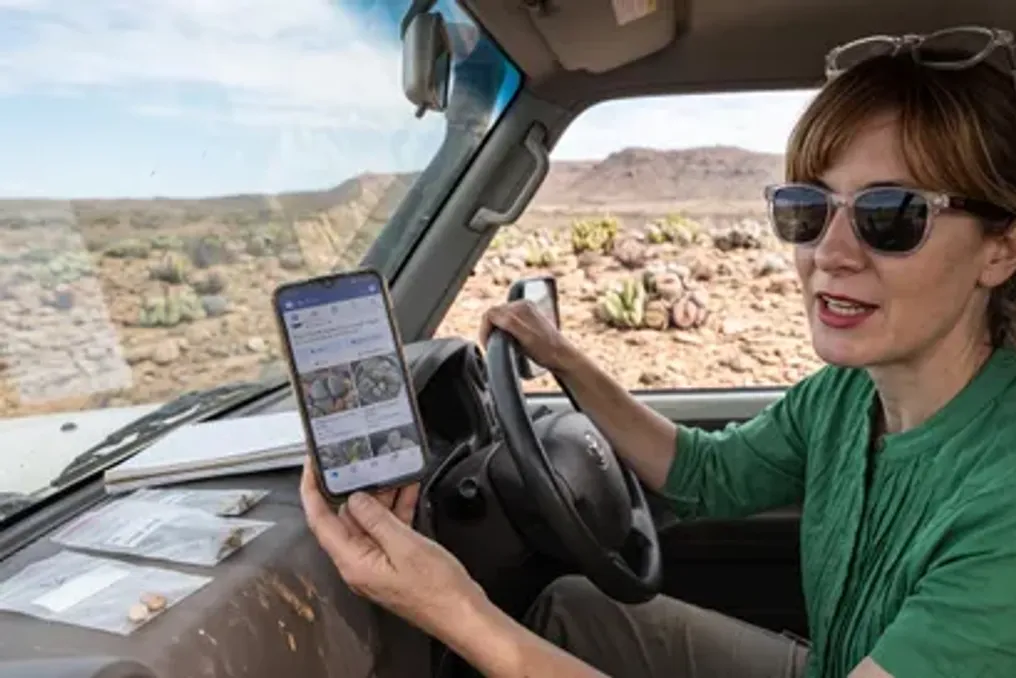
Current global responses largely rely on Western law enforcement models, which, according to Hübsle, ignore the invaluable role of frontline workers. For example, in the Succulent Karoo of South Africa, international demand for *Conophytum* genus succulents led to a collapse in market prices after over-collection, forcing syndicates to switch to other rare plants and reptiles.
Hübsle explained: 'Locally, we see communities reacting to these changes in real time and in some cases proposing their own solutions, including co-access and benefit-sharing models, before formal policy has time to react.' She stressed that local knowledge is what is needed for a full societal response.
Co-author Dr. Neil De Cruz from the University of Manchester warned that while the harm is similar to traditional trade, digital platforms allow illegal sales to occur with unprecedented speed and scale. To counter this, researchers proposed five key strategies: AI-driven online detection, stricter platform moderation supported by independent audits, cross-sectoral coordination, behavior-based demand reduction campaigns, and strengthening international policy frameworks such as CITES and the EU Digital Services Act.
Lead author Professor Enrico Di Minin from the University of Helsinki noted that while the task is complex, it is far from insurmountable if technology, law enforcement, and local knowledge are combined. Since illegal wildlife trade is increasingly moving into the digital space, the global response must match this pace, placing central importance on people living near target species in the process of their protection.