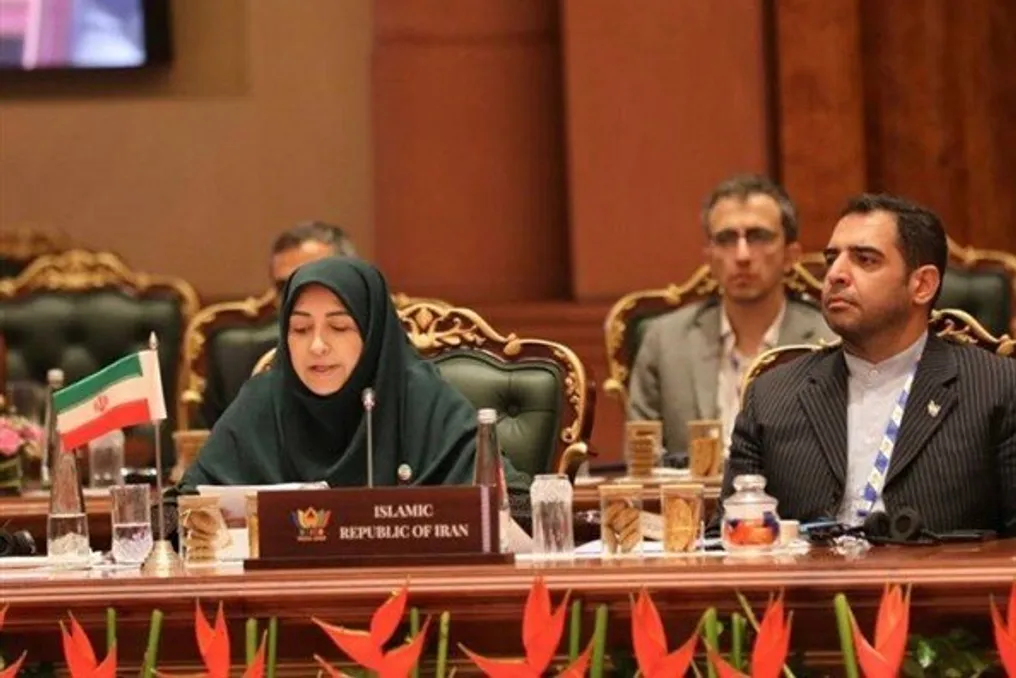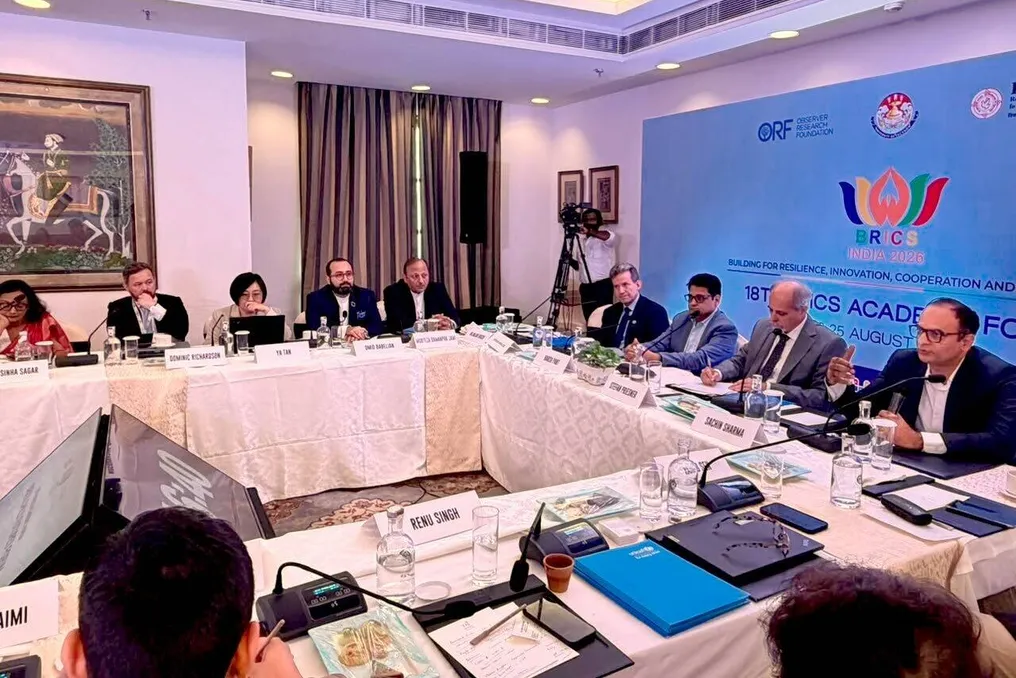
Iranian representatives at the BRICS Children's Future Forum proposed the creation of a knowledge network within BRICS that would focus on children's human capital.
The event was held under the auspices of the Observer Research Foundation (ORF) in partnership with UNICEF during the 18th BRICS Academic Forum (BAF), which took place on August 23 in Lucknow, India.
The forum, titled 'Investing in Children, Securing the Future: Human Capital for the Next Decade of BRICS,' gathered politicians, researchers, development specialists, experts, and youth representatives to discuss priorities in promoting the well-being of children and adolescents in BRICS countries. Topics discussed included investing in children as the foundation of human capital, as well as issues of health and nutrition, climate change resilience, technology and innovation, youth leadership, and partnerships.
Iranian officials, Mortaza Damang-Pak Jami, Senior Researcher at the Institute of Political and International Studies (IPIS), and former ambassador to Lisbon, and Omid Babelyan, diplomat and researcher at the Institute of Political and International Studies, presented reports on Iran's views and experience in protecting children and strengthening human capital during crises, according to IRNA agency.
Damang-Pak Jami suggested that BRICS member states utilize existing opportunities, promote cooperation in education, healthcare, youth, universities, science, technology, and social development, and then apply these resources to form a unified approach to human capital.
Emphasizing the importance of a human capital development approach throughout the entire life cycle, he stated that investments in human capital must begin in early life and continue through early childhood development, education, skills training, and entry into the labor market. He also shared his country's achievements in child health and education.
Referring to illegal attacks by the US and Israel against Iran, he noted that war is a clear violation of international humanitarian law, and stressed the necessity of upholding children's right to education during war and crises.
He added: 'Attacks on Shajareh Tayebeh primary school in Minab, Hormozgan province, are a typical example of the humanitarian consequences of aggression and the violation of children's right to education and safety. Schools must be a safe environment for educating and nurturing the next generation under all circumstances. The global community must not remain indifferent to attacks on children and educational institutions.'
For his part, Babelyan stated that protection, empowerment, and inclusion are three principles for strengthening human capital. He added that children and youth must maintain access to education, healthcare, social protection, and basic services during crises, and must also have the opportunity to play a meaningful role in shaping their future.
Babelyan remarked: 'When we talk about human capital, I can no longer think in terms of figures and graphs. For me, human capital has a face: the face of a child sitting in a classroom, a young person in a laboratory trying to discover a better medicine, a student dreaming of building a better future, and families who, despite all difficulties, still hold hope for their children's tomorrow. Protecting human capital should not be limited to saving their lives during a crisis; it must ensure a future where they can thrive.'