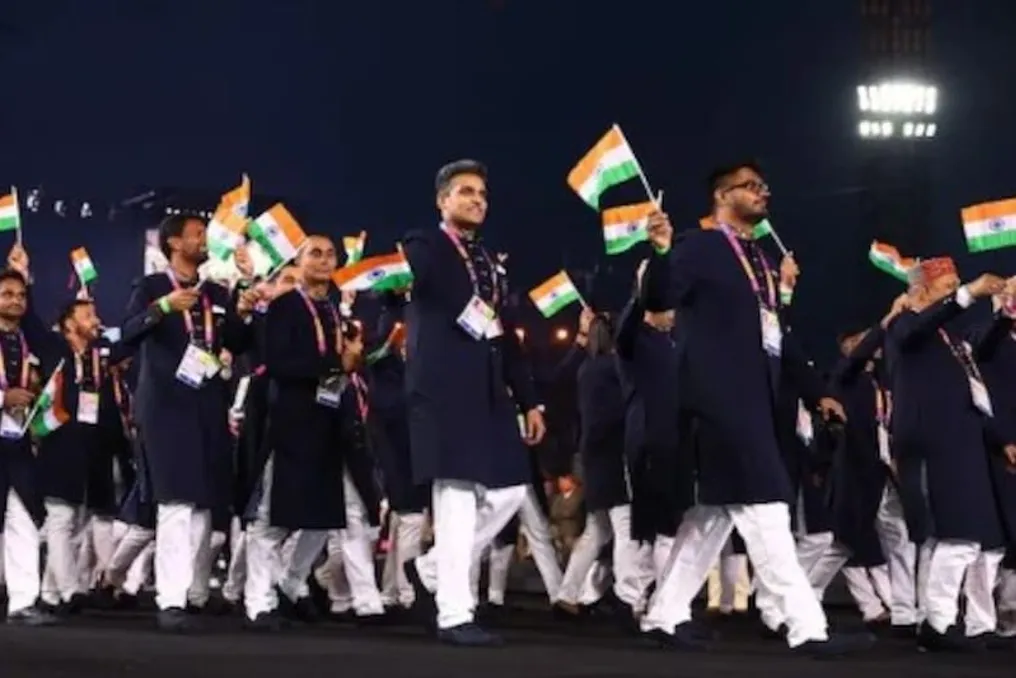
Amid questions surrounding the selection of the Indian delegation for the Asian Games, the Ministry of Sports has clearly stated that it will not allow any compromises in the established selection criteria under pressure from fans or athletes' parents. The Ministry emphasized that only athletes with real and high chances of winning medals will participate in the competitions to be held in Nagoya, Japan.
The Ministry approved a team composition of 492 athletes for the Asian Games, which will take place from September 19 to October 4. Among them are 73 athletes, constituting the largest part of the Indian delegation. While some other athletes might be given a spot on the team, such cases await approval from the Olympic Council of Asia.
The Ministry also clarified that even if additional athletes are included, no exceptions will be made to the selection criteria announced last September.
One official from the Ministry of Sports noted that they were under significant pressure. He mentioned that some parents approached them, expressing dissatisfaction that their children had not passed the selection. The official firmly told them that if a child truly meets the selection requirements and is entitled to it, their selection will not be blocked.
The official explained the selection policy using an example: 'If a time of 10 seconds is required to qualify for a medal in the 100-meter run, will we send an athlete who runs in 15 seconds? We have made it clear that only athletes who have entered the top six in Asia are admitted to the selection. This is the rule we followed.'
In the selection policy published in 2025, the Ministry specified that when considering candidates for multi-sport events such as the Asian Games, only athletes with a 'real probability' of winning a medal should be taken into account. Furthermore, athletes who have ranked in the top six in the respective continental rankings were included in the eligibility scope.
This strict policy was also reflected in football. Due to a low continental ranking, the Indian football team was among the first teams not selected for the Asian Games.
Sports Minister Mansukh Mandaviya also stated several weeks ago that the Asian Games should not be viewed solely as a platform for athletes to gain experience. In his opinion, only athletes with strong potential to win medals should travel to Japan.
Forming the Indian delegation for multi-sport competitions has always been a challenging task. Athletes left without a spot in the squad have repeatedly approached the courts. Recently, equestrian athlete Anush Agrawal filed a case in the Delhi High Court against his exclusion from the Asian Games squad, but his petition was later dismissed by the Supreme Court.
Recently, there has also been a dispute surrounding the selection of the tennis team. Five players initially selected by the All India Tennis Association (AITA) were excluded from the squad. Sumit Nagal is the only male singles player in the Indian delegation, while some recommended female athletes, including India's top woman Sahaj Yamlapalli, were excluded. Yamlapalli's WTA ranking is 344th.
This decision drew criticism not only from AITA but also from many former athletes, including Rohan Bopanna.
A Ministry official stated that the government's goal was to send a small but effective team from the outset. He added: 'The selection criteria were announced a year in advance. All athletes had enough time to understand them and prepare accordingly. Therefore, there is no question now about softening these criteria due to pressure.'