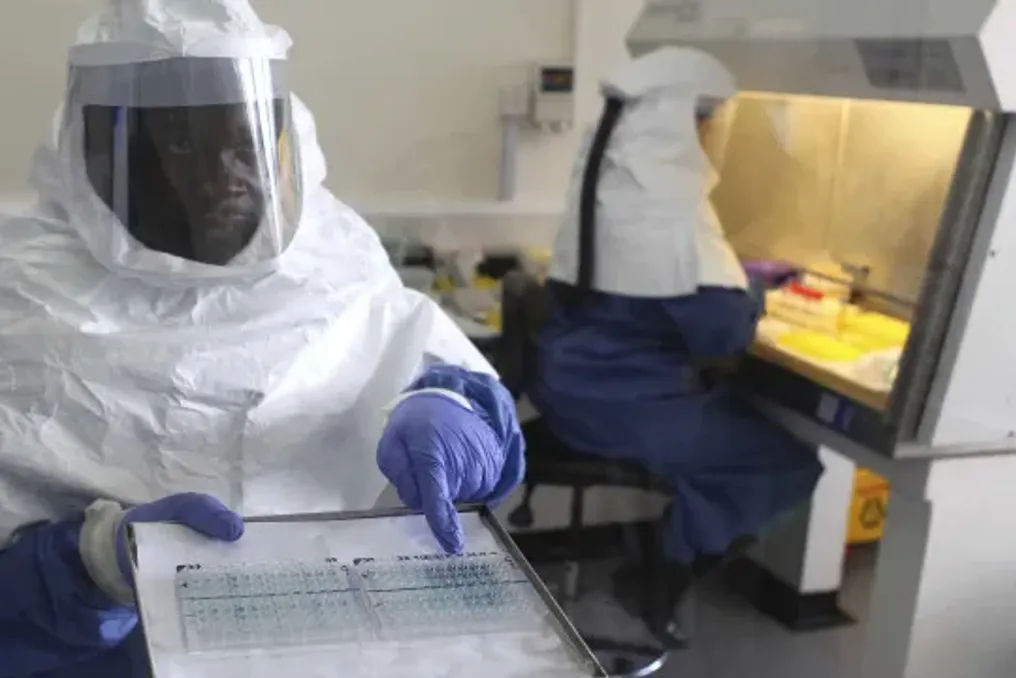
The European Commission (EC), with support from the European Health and Digital Executive Agency, has formalized an agreement to procure open-platform PCR tests worth 2.1 million euros. These funds are intended to assist in the response to the current Bundibugyo Ebola epidemic.
These tests will be donated to the World Health Organization's (WHO) logistics center for global health emergencies in Dubai, with deliveries expected to begin in August.
The European Commissioner for Crisis Management, Hadja Lahbib, emphasized the urgency of the situation, stating that every day is crucial during an epidemic. She stressed that faster detection of cases allows patients to receive prompt treatment and helps contain the spread of the virus.
Lahbib also mentioned that Europe is acting with a total of 4.6 million euros in diagnostic tests, maintaining close collaboration with the WHO and the African Centre for Disease Control and Prevention.
This new contribution comes shortly after the executive body announced the purchase of 2.5 million euros in diagnostic equipment and rapid molecular tests. Together, the two agreements total 4.6 million euros in diagnostic means to confront the epidemic.
PCR tests are considered vital for an agile response to outbreaks, as they enable precise identification of viral presence and testing of a large volume of samples. Early diagnosis allows sick individuals to be referred for isolation and treatment, reducing the risk of contagion.
Hadja Lahbib reinforced the idea that health threats do not respect borders, and the European response cannot stop either.
The epidemic in question was identified in May in the Democratic Republic of Congo and Uganda, caused by the Bundibugyo virus, a species of the genus Orthoebolavirus. The WHO classified the epidemic as a public health emergency of international concern on May 17.
Bundibugyo is a less common variant of Ebola that is difficult to detect and poses additional challenges, as there are currently no specific vaccines or treatments available for this disease. The Ebola viral disease is known to be severe and frequently fatal.
After one hundred days since the recognition of the epidemic in the Democratic Republic of Congo, local authorities have recorded 5,514 confirmed cases and 2,642 deaths, resulting in a fatality rate of 47.9%. The WHO characterized this outbreak as the largest recorded in the DRC, surpassing the outbreak that occurred between 2018 and 2020, which accounted for 3,317 confirmed cases.
In Uganda, 20 cases and two deaths have been confirmed. The outbreak in both countries is associated with cross-border transmission, including cases brought from the Democratic Republic of Congo and secondary transmission, notably among healthcare professionals and their contacts.
Although the epidemic is large-scale in Africa, the risk of infection for the population of the European Union is considered low, due to the need for direct contact with the bodily fluids of a symptomatic individual and the low probability of importation and subsequent transmission on the European continent.
Additionally, the European Commission has already allocated 493 million euros in emergency aid, vaccines, treatments, and health security for the Great Lakes region and Uganda.