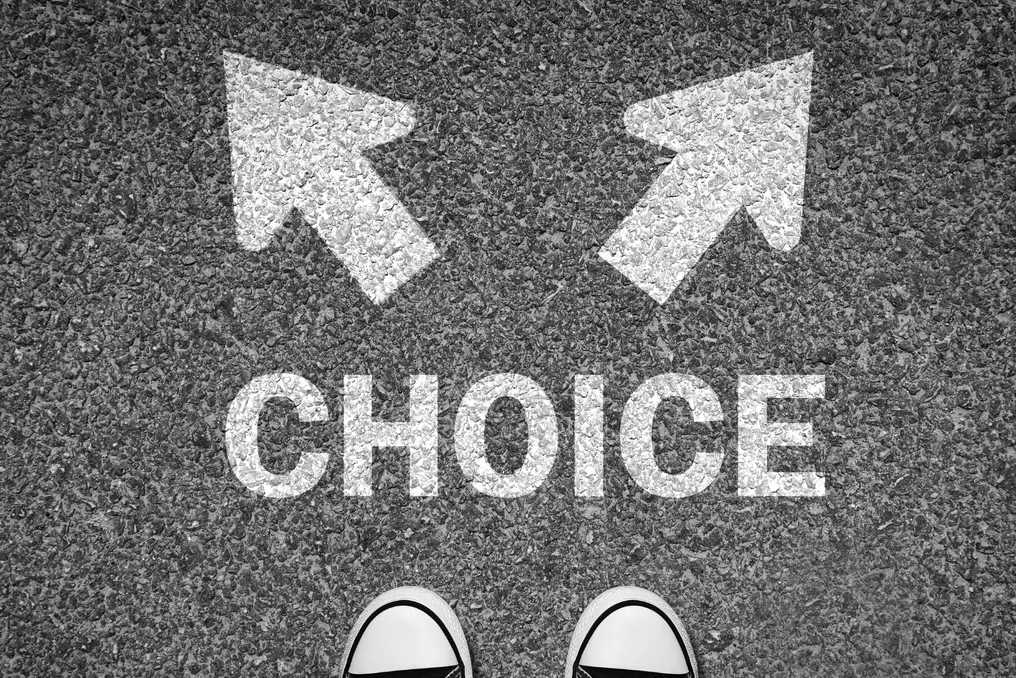
Major changes rarely happen suddenly; most often, they arise from decisions that seem insignificant at first glance. For example, reading a few pages instead of aimlessly scrolling through a feed, saving a small amount of money instead of spending it, or having an honest conversation instead of avoiding a difficult discussion—all of this might seem trivial in isolation. However, repeated choices accumulate, and over time, they are capable of producing results drastically different from the starting point.
Darren Hardy's book, 'The Compound Effect,' directly examines the consequences of daily decisions. The core idea is that small choices accumulate, whether they are positive or negative. A suitable example is that one unhealthy meal does not determine a person's health status, just as a small sum of savings does not bring instant wealth.
But when such decisions are repeated consistently, their impact begins to multiply. Hardy uses this principle to explain why successful outcomes often appear sudden, even though they have actually developed gradually in the background. The book encourages readers to pay attention to seemingly minor decisions, as today's choices can subtly determine tomorrow's circumstances.
'The Little Book of Big Things' explores how ordinary actions can create exceptional differences provided they are constantly repeated. Jeff Olson argues that many important decisions are easy to make, but equally easy to neglect. Reading, exercising, learning, saving money, or maintaining relationships may not yield immediate returns, which tempts people to postpone them.
Nevertheless, small productive choices become increasingly valuable as they accumulate. This same principle works in reverse: small negative choices can gradually lead to undesirable consequences. Olson's message is that a person's life direction is often determined by what they regularly do when there is no immediate visible result.
Daniel Kahneman's book, 'Thinking, Fast and Slow,' analyzes the mental processes behind people's daily decisions. Kahneman explains that people rely on both fast, intuitive judgments and slower, deliberate reasoning. Since many daily choices are made almost automatically, people can develop patterns of judgment without realizing how strongly these patterns influence their lives. Consequently, small decisions regarding spending, relationships, risks, work, and opportunities can accumulate into much larger outcomes. The book urges readers to recognize cognitive biases and make more considered decisions when it comes to important long-term consequences.
'Nudge' examines how seemingly minor changes in how choices are presented can influence human behavior. Richard Thaler and Cass Sunstein demonstrate that people do not always make decisions based on perfectly rational calculations. The environment surrounding a choice can subtly influence what people ultimately do. A healthier option placed more conveniently, an automatic savings plan, or a carefully thought-out reminder can encourage different behavior without removing freedom of choice. This book offers an important perspective on small choices, showing that outcomes are shaped not only by individual willpower but also by the systems and environments in which decisions are made.
In 'The Power of Habit,' Charles Duhigg explores how habits are formed and why they can become so influential. He breaks down the neurological and behavioral models underlying routine and explains how habits can affect individuals, organizations, and societies. Small, repeated behaviors can eventually become automatic, meaning people continue to make the same choice without thinking about it. Duhigg's work shows why changing one's life often requires more than making one ambitious decision. It may involve identifying existing patterns and intentionally replacing them with better alternatives. What starts as a small behavioral adjustment can ultimately transform how a person spends time, works, thinks, and reacts to daily situations.
These books share a powerful idea: the direction of life is often determined by choices that seem too small to matter. One decision rarely changes everything, but repeated decisions can. A person who saves money today may not feel richer tomorrow. A person who exercises today may not look different next week. But accumulation changes the equation. Over time, habits turn into routines, routines into patterns, and patterns can shape identity and outcomes. This is why paying attention to ordinary decisions can be more effective than waiting for one extraordinary moment to transform your life.