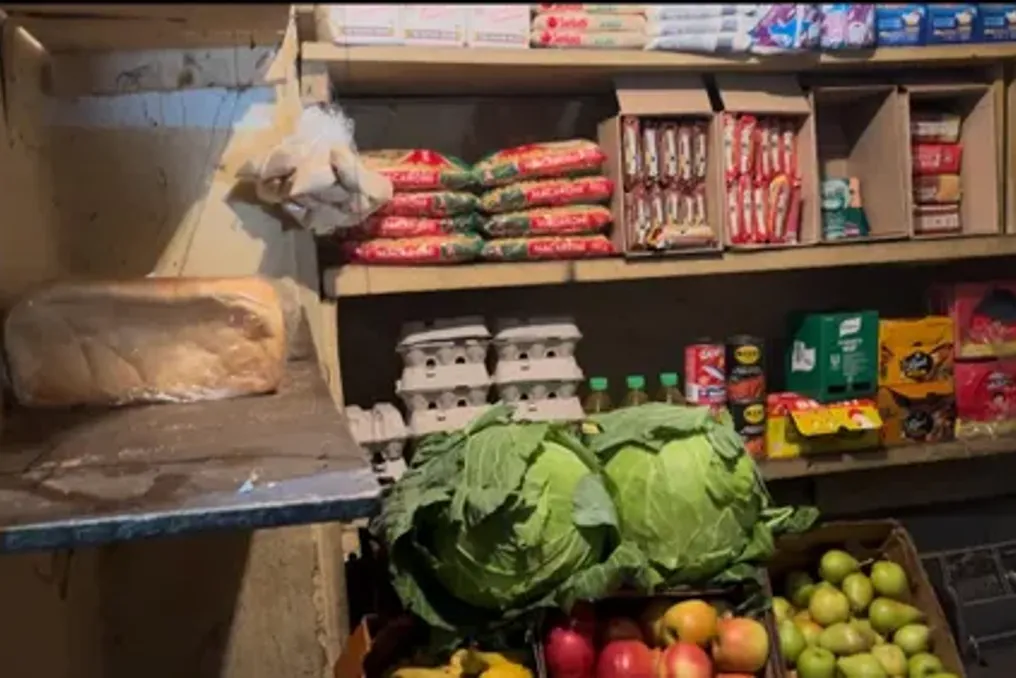
As the unemployment rate in South Africa reaches 33.6%, the informal business sector has become a vital source of support for millions of people who cannot find work in the formal sector. However, entrepreneurs note that sustaining these businesses is becoming more difficult due to rising costs and limited access to financing.
Annelien Diepenaar, Business Director at Shop2Shop, described the informal economy as a 'shock absorber' for the formal labor market. Meanwhile, Thabiso Mkhlongo, founder of Epicure Bitez, balances managing his food business with working full-time, while Given Madia, a shop owner in Soweto, uses his business to provide income for six family members and employ two others.
Recent data from Stats SA indicates that there were 8.5 million unemployed people in the second quarter, while formal sector employment decreased by 41,000. Conversely, informal sector employment increased by 34,000, with the largest employment growth recorded in trade—70,000 people.
Diepenaar emphasized that these figures demonstrate how severely the employment crisis in South Africa forces people to turn to the informal economy. She explained that when formal companies do not sign hiring contracts, people still need an income and begin to 'struggle'—either by starting their own businesses or securing informal employment.
According to her, about 3.6 million people now work in the informal sector, and the income from these enterprises often supports the well-being of entire households and extended families, not just the owners themselves. Furthermore, since 77.9% of unemployed South Africans have been jobless for over a year, informal trade is increasingly serving as a source of long-term earnings rather than just a temporary survival strategy.
Diepenaar warned that entrepreneurship cannot be seen as a cure for the country's unemployment crisis; it requires the creation of formal jobs on a large scale. Instead, efforts should focus on assisting the millions of people already running informal businesses so they can move beyond mere survival, scale up their operations, and create jobs.
Nevertheless, the same businesses that absorb the pressure of unemployment face numerous obstacles to growth, including lack of capital, cash handling costs, municipal regulations, and poor infrastructure. Diepenaar noted that having multi-year records of digital transactions could give creditors a clearer picture of business performance, potentially improving access to credit, insurance, and better supply terms.
For Mkhlongo, these difficulties are felt in the daily fight for his business's profitability. He launched Epicure Bitez in 2020, noticing an opportunity in the settlement's food market. What started with burgers later expanded to include tacos, rolls, and wings. Rising prices for food, packaging, transport, and suppliers have squeezed his margin, and customers have become more cautious with spending.
He noted that he cannot simply pass every cost increase onto the customer, as the customer might ultimately no longer be able to afford the product. The business itself does not financially support him, so Mkhlongo works full-time during the week, and Epicure Bitez operates on weekends. For some entrepreneurs, this is supplementary income, but for Madia, it is the source of funds supporting the entire family.
His Soweto shop currently supports six people at home and employs two others, but limited access to capital hinders expansion. Madia stated that the shop operates on a very low profit margin. He uses his salary to replenish stock and maintain operations but believes that funding would allow him to purchase more goods, invest in technology, and create additional jobs for youth. Additionally, Madia has integrated digital services into the shop, offering top-ups, vouchers, and bill payments via a Shop2Shop POS device. In the informal settlement, where reliable electricity remains an issue, this device allows him to offer more services, reducing reliance on cash.
Diepenaar concluded that the next step should be facilitating the growth of informal businesses, rather than merely waiting for their formalization. She stressed that formalization should not be imposed on traders; it must be made desirable and possible.