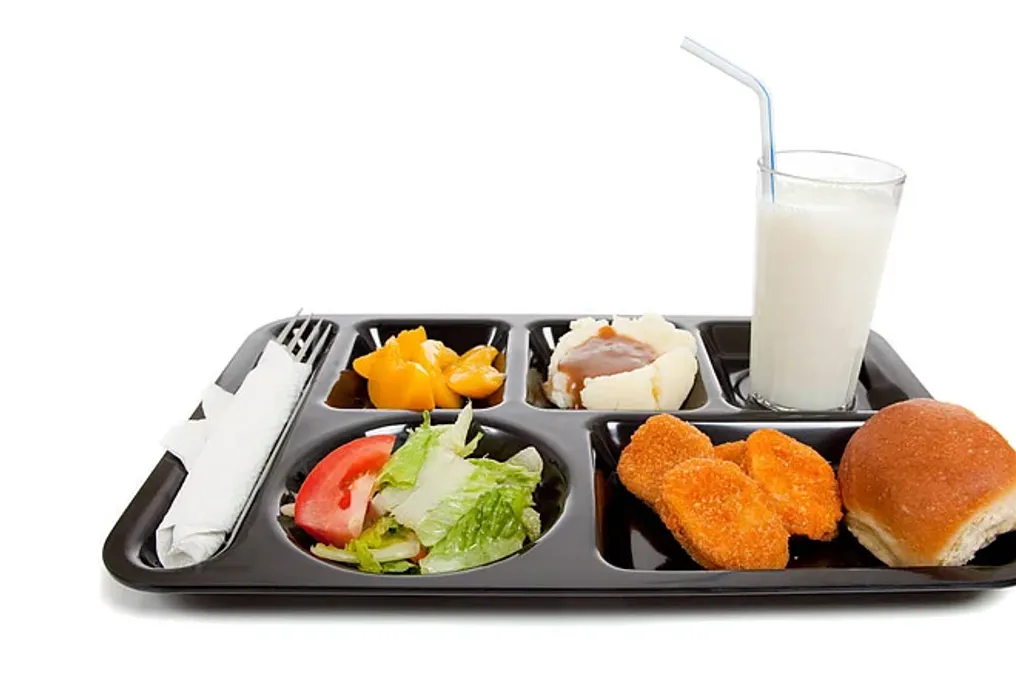
As families prepare for the new academic year in the United Arab Emirates (UAE), school meals are becoming part of the back-to-school budget. Educational institutions offer parents more flexible options to suit their needs.
Depending on the school, the student's age, and the chosen meal type, parents can pay from 5 dirhams for a separate snack up to 39 dirhams for a full school lunch. Some schools allow pre-ordering of meals, while others permit students to purchase food during the day, giving families greater control over expenses.
At Swiss International Scientific School Dubai, families can choose between semester, monthly, or daily meal plans. Brian Cleary, Head of the Senior School, reported that meal prices range from 28.50 to 39 dirhams depending on the selected package. The menu includes a snack, a main course selection, and dessert.
For families who do not wish to commit to a regular meal plan, an ad-hoc option is available. Cleary added that families can purchase school lunches on a semester, monthly, or daily basis, providing flexibility according to their needs. Furthermore, meal vouchers are available for students in Grade 1 and above, which are ideal for those who wish to eat at school occasionally.
At Swiss International Scientific School Dubai, the catering provider Swiss Canonica manages a six-week rotating international menu. Students can choose from a snack, Chef's Special, a main course, a vegetarian or vegan main course, and dessert. Vegetarian and vegan options are available daily, and when booking meals, parents are asked to provide information regarding allergies, intolerances, and other dietary requirements. Cleary noted that the menu is designed to ensure variety and choice for students.
Schools are also implementing digital systems to simplify meal management. At Swiss International Scientific School Dubai, families use the SPARE app, where each child has an individual account. Parents can select meals and make payments directly through this application.
At The British International School Abu Dhabi, parents have a different set of options, especially as children get older. Primary and elementary school students can pre-order a comprehensive lunch for 20 dirhams. This meal includes protein, starches, vegetables, and cut fruit. Morning snacks can also be pre-ordered, including fresh cut fruit and baked goods with added fruit and vegetables.
Drinks are sold separately: water costs 3 dirhams, and juices cost 5 dirhams, while individual snacks usually range from 5 to 10 dirhams. For older students, the school offers greater freedom of choice. Middle school students can opt for 'grab-and-go' options such as freshly made pastries, salads, and sandwiches, which typically cost between 5 and 20 dirhams. A hot lunch is available for 15 dirhams.
Alan Coker, Director of The British International School Abu Dhabi, stated that the goal is to allow families to choose according to their child's appetite and schedule, rather than signing a fixed-term contract. He emphasized that this approach allows families to select the most suitable option based on the child's appetite, preferences, and daily routine, instead of adhering to a fixed meal plan.
Coker also noted that student safety is a priority, and allergen information is clearly communicated to families. For pre-ordered meals, allergen information is displayed in the ordering app, allowing parents to review it before making a selection. Food provided through the school's catering service is free of nuts and sesame.
This flexibility extends to how children receive and pay for their food. 'We usually receive about 150-200 pre-orders every day, in addition to students who decide to buy food directly at our service points during the school day,' Coker added. For pre-orders, parents can top up their child's digital wallet via the Zenda app, providing a convenient cashless payment method for students. When purchasing on-site, students can use their student wallet, card, or cash.
The school's catering is approved by SEHHI and complies with ADEK healthy eating requirements, with allergen information displayed in the ordering app and on on-site products. For children with specific dietary needs, parents can contact the catering and kitchen teams in advance to discuss accommodation options.
The difference between meal plans for primary and middle school is not only in price. Schools note that the dining system also changes as children become more independent and begin making their own choices.
At Star International School, Al Twar, Director Lisa Passante also combines pre-ordering for younger children with greater independence for older students. The school partners with Swiss Canonica and offers fresh vegetable snacks, a range of main courses, vegetarian and vegan options, and desserts. Its six-week rotating menu also includes international cuisine and weekly themed dishes by country. Passante noted that they also recognize that the way students choose and manage their food changes as they gain independence. She added that for primary school students, parents pre-order and book meals, while older students have the option to purchase their preferred meals independently at school. The system is entirely cashless, simplifying school meal management for families and students.