The City of Cape Town has decided to allocate R31.9 million from its surplus funds to finance projects that were not completed in the 2025/26 financial year, pending approval from the National and Provincial Treasuries regarding the transfer of funds.
The document presented at the council meeting on Thursday indicated the existence of capital projects funded under grant conditions that were not implemented and completed by June 30th. These projects were not included in the capital budget for 2026/27.
Municipalities are required to submit applications to the National and Provincial Treasuries to transfer unused conditional grants from the previous financial year by August 31st each year, and the results of these applications are reported in November.
The report stated that the Energy Directorate proposed transferring unconditional grant funding of R384,069, the Urban Mobility Directorate proposed R44 million and R9 million in private donations, as well as R546,749 in the Water and Sanitation Directorate and R546,749 in the Energy Directorate.
The report noted that 'a net increase of R44.4 million is related to the transfer of capital grants and donations across various directorates, which increases the overall operational budget for 2026/27.'
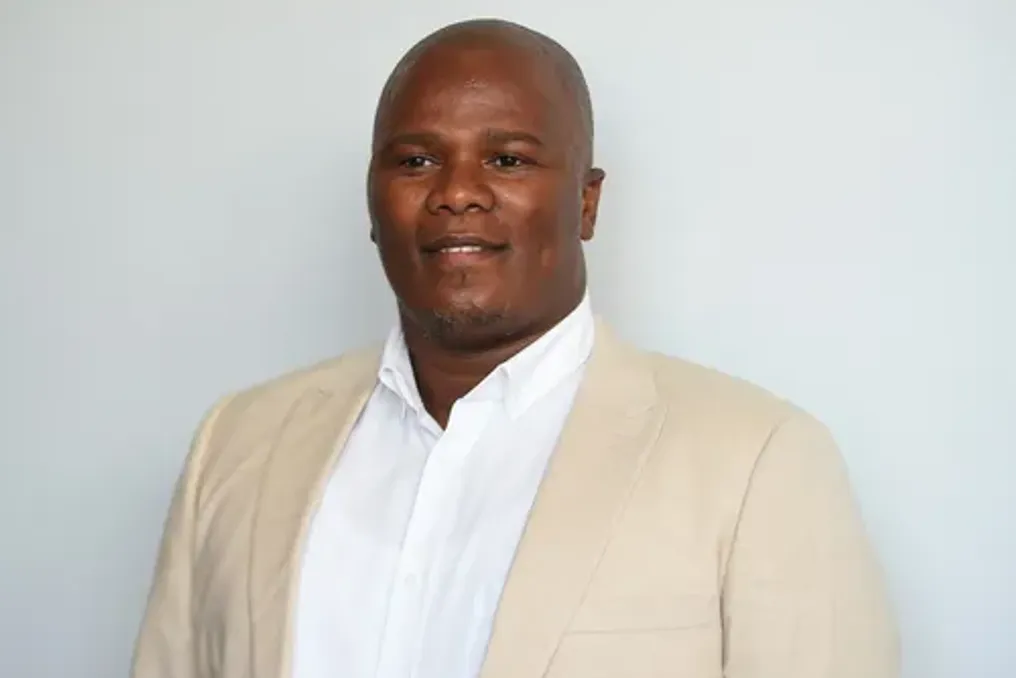
Cciseko Mbandezi, a member of the mayor's finance committee, stated that the corrective budget is intended to transfer unused capital funding from the 2025-26 financial year to allow planned projects to continue into the new financial year.
Mbandezi emphasized that these adjustments will not negatively affect the provision of basic services, as the budget continues to demonstrate the City's commitment to investing in infrastructure and services essential to the daily lives of Cape Town residents.
He also reported that the adjusted capital programme now stands at approximately R13.375 billion for the 2026/27 financial year, representing an increase of R288 million compared to the initial budget.
Mbandezi proposed that the council approve R31.9 million from the Capital Replacement Reserve to provide temporary funding for planned projects while the City awaits the outcomes of the unused funds transfer applications. He added that 'if this transfer is not approved, the City will continue to fund the relevant planned projects from these reserves.'
ANC Councillor Lonwabo Mkhina stated that the only obstacle to the City fulfilling its obligations to Cape Town residents is the lack of political will to serve the poor and marginalized. He noted that among the listed unfinished items, if not all, relate to poor African and Coloured communities, and urged the City to cease the deliberate and continuous use of legislation to avoid serving the population.
GOOD Party Member of Parliament Siyabulela Mamkeli noted that the corrective budget acknowledges that delays were caused by contractor failures, procurement delays, capacity constraints, and project delays in certain areas of the City. He stated that the City cannot delegate spending authority where it is most needed by residents, and that residents cannot wait indefinitely while the budget remains unused on transferred projects, demanding proper roads, access to water, sanitation, and electricity.
Thomas Welz of the DA defended the corrective budget, stating that it ensures that already approved projects continue to progress at pace. He concluded that 'this budget ensures continuity and service delivery to all residents.'