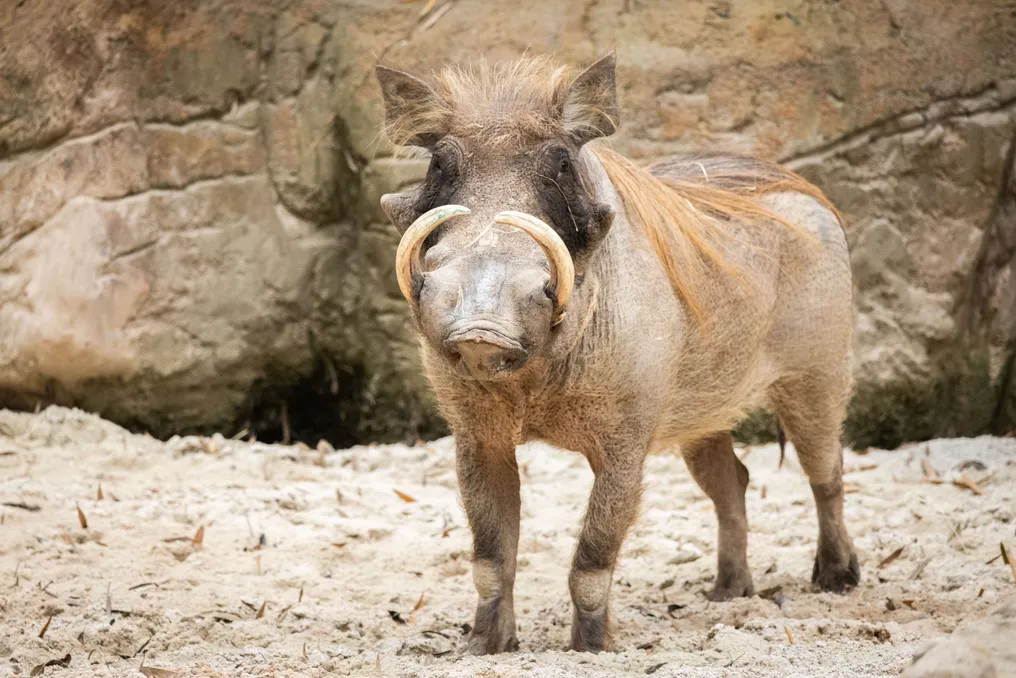
African wild pigs (Phacochoerus africanus), known for characters like Pumbaa in The Lion King, are very popular animals among children at Simba Safari, located in São Paulo. In August, two males residing at the park received specialized hoof care, known as hoof trimming.
This procedure involves cutting, cleaning, and leveling the hooves to preserve the health of the feet and ensure the animals' proper mobility.
The care was performed by veterinarian and swine specialist Isabele de Oliveira, who is known on social media as 'Dr. Pig'. She worked in collaboration with the veterinary team at Zoo São Paulo. The professional has experience in managing hooves of swine, animals that share the suid family with African wild pigs.
As ungulates, African wild pigs depend on their hooves to support their body weight and move. The outer layer of the hooves, composed of keratin—the same protein found in human nails—grows constantly. Excessive growth can compromise the animals' well-being, health, and ability to move.
Due to the physical strength of the wild pigs, both needed to be sedated during the procedure and remained under constant supervision of the veterinary team. Isabele proceeded with the cutting, scraping, and moisturizing of the hooves. Additionally, portable X-rays were used to examine internal structures and assist with the procedure.
In addition to hoof treatment, the team hydrated the area and applied balm oil to the cuticles. The opportunity was also taken to perform preventive medicine assessments, including a complete physical examination, vaccination, dental check, and blood sample collection.
African wild pigs have physical characteristics such as a large head and short neck, which makes it difficult for them to lower their heads to the ground to forage. For this reason, they are often observed feeding with their front legs bent, in a posture similar to kneeling, which facilitates access to items such as roots and insects.