Greaves Electric Mobility Ltd (GEML), a subsidiary of Greaves Cotton Ltd, aims to exceed a 10 percent share in the electric two-wheeler vehicle market. Currently, the company's share is around 6 percent.
The company is actively developing export markets, targeting countries such as Nepal, the Philippines, Indonesia, and Sri Lanka. Vikas Singh, Managing Director of GEML, stated that achieving a double-digit share will be ensured through several measures, including expanding the product portfolio, distribution network, and financing partnerships, against the backdrop of sharp growth in demand for electric vehicles (EV).
According to Singh's forecasts, the penetration of electric motorcycles in India will reach 30 percent within the next five years. He noted that the current penetration level is about 11 percent and expects it to rise to 15 percent in the near future, potentially reaching 30 percent by 2030–2031.
The electric two-wheeler market in India is showing an annual growth rate of approximately 70–75 percent. Monthly sales are around 200,000 units, which is higher than the 120,000 units recorded at the end of last year. Singh predicts this figure will increase to 300,000 units per month and achieve 15 percent penetration in the near term.
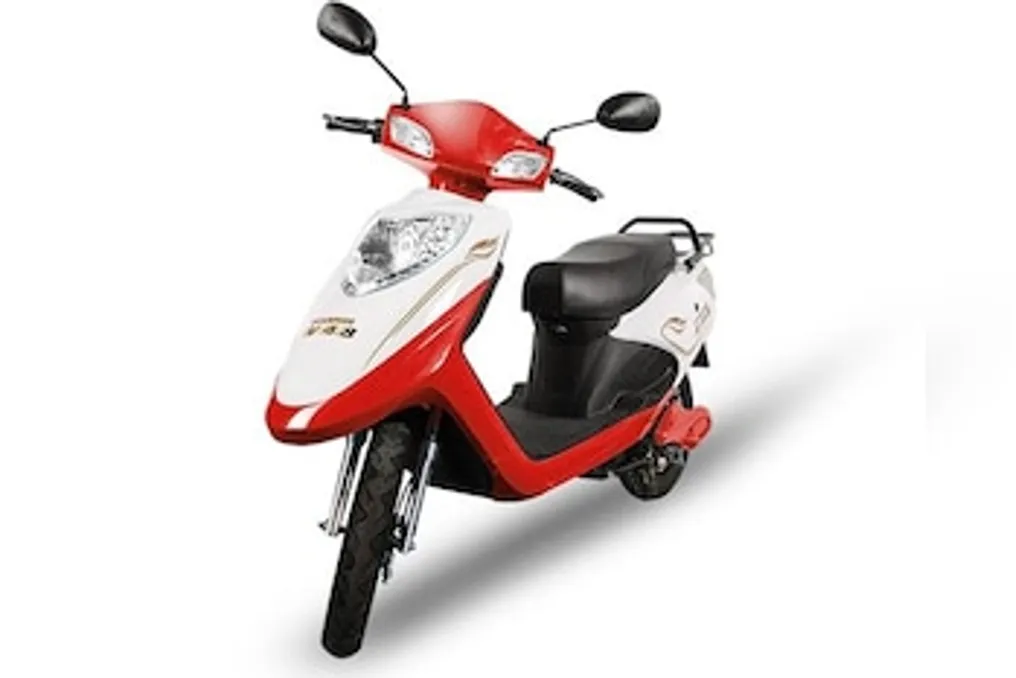
In June, the company sold about 10,127 vehicles, and its products range in price from 65,000 to 1.5 lakh rupees. The portfolio includes models Ampere Nexus, Ampere Magnus G Max, Ampere Reo, and the low-speed scooter Reo VYB. Furthermore, the company has planned investments of 530 crore rupees in the near future.
GEML is also strengthening its component and battery ecosystem. The company plans to increase in-house production of technologies and some key products, with a focus on batteries, as well as improving and increasing capacities. Greaves is developing a rare-earth-free motor to mitigate risks associated with supply chain disruptions due to the scarcity of such materials. This motor is expected to launch in three to four months. Concurrently, work is underway to reduce dependence on battery imports to ensure the economic viability of supplies and costs.
Currently, the company's plant in Ranipet is operating at about 30 percent of its installed capacity. The plant's annual capacity is 500,000 units, providing the company with sufficient room for growth in the coming years. Singh emphasized that the company is growing faster than the market: the market is growing by approximately 75 percent, while the company is demonstrating growth of 120 percent, despite accumulated orders and registration gaps.
Additionally, the company announced plans to release one significant new product quarterly.