Investments in youth are seen as the best solution to overcome demographic changes
Read more
Tehran Times
www.tehrantimes.com

Investments in youth are seen as the best solution to overcome demographic changes

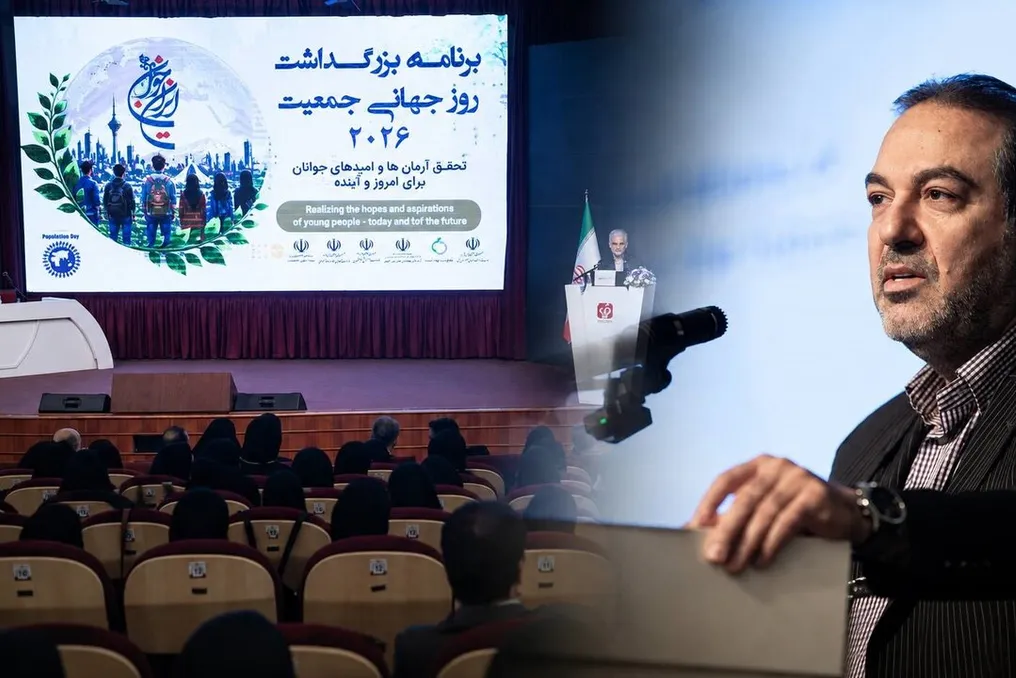
The UN Population Fund (UNFPA), in collaboration with the Ministries of Health and Labor, marked World Population Day by focusing on the needs of young people and the obstacles to achieving desired families and futures.

According to an UNFPA report from August 16, analysis of Iran's demographic momentum through the lens of youth aspirations confirmed a general consensus: responding to demographic changes requires long-term investments in young people. These investments must encompass intersectoral policies in education, employment guarantees, housing, reproductive health services, and social protection, creating conditions for youth participation in innovative, sustainable, and economically strong societies.

A central element of the discussion was the UNFPA flagship report, 'Life, Choice and Future,' which presents the results of the Demographic Future Survey for 2025–2026. This report is one of the most geographically diverse sources of data on how young adults perceive relationships, parenthood, and the future. It is based on the opinions of over 108,000 individuals aged 18 to 39 from 73 countries, providing participants with a global mirror to examine discussions taking place within Iran itself.

Among the findings that influenced the discussion, it was noted that more than two-thirds of respondents aspire to marry or live with a partner. The most common ideal family size across five of the seven regional groups is a family of two children. The main barriers to forming partnerships for both men and women are economic and housing constraints. Financial stability is cited as the primary criterion for entering a partnership (81%) and for parenthood (88%). Stable employment (87%) and emotional readiness (85%) are also among the prerequisites that youth set for themselves before becoming parents.

Two-thirds of those surveyed consider their future somewhat positive or very positive, despite concerns about conflicts, economic instability, and inequality. The event, which gathered university deans, scholars, civil society representatives, and government officials at the Tehran Ghalb Hotel under the Ministry of Health and Medical Education, aimed to move the demographic discussion beyond figures and targets, shifting the focus to the hopes, choices, and limitations of a generation deciding when and how to form families in an uncertain world.

Deputy Minister of Health's Address

The event began with a speech by Dr. Alireza Raisi, Deputy Minister of Health, who called for a change in policymakers' approach to population structure. He stated that population growth does not occur due to policies based on fear, coercion, or 'stick and carrot'; even if it did, it would not be beneficial. According to him, young people need hope, trust, and confidence in the future: jobs, housing, economic security, and a predictable future. The task of policymakers, he emphasized, is not to find culprits but to remove obstacles for youth.

Dr. Raisi added that any population policy cannot be successful without attention to women, whom he believes should never be forced to choose between work and family. He also noted that even with population growth, aging is an inevitable structural shift caused by increased life expectancy due to progress in healthcare and social security, which the country must prepare for—from urban planning to healthcare and welfare systems. He also highlighted the importance and accessibility of data for evidence-based policymaking and effective programming.

Two Panel Discussions, One Question

The program included two expert panels bringing together specialists from universities, ministries, and international organizations. The first panel focused on demographic changes and policy in Iran and globally, comparing national trends with international experience and analyzing the reactions of different countries. The second panel focused on youth marriage, fertility, and population sustainability.

The UNFPA representative in Iran, Mr. Kate Ohashi, highly praised Iran's human capital while pointing out existing gaps in the labor market. He noted that Iran possesses remarkable human capital—high levels of knowledge and literacy—which is a huge advantage. However, challenges remain: too many women and young people who are unemployed, not studying, or not trained, and they need attention. In his view, motherhood and entering the labor market should not be seen as competing options; rather, support for working mothers and women in general should increase so that women can join the labor market without postponing motherhood.

Mr. Majid Hosseinpour from the Ministry of Cooperatives, Labor, and Social Welfare opened the second panel, emphasizing the extremely low level of female economic activity—about 4 million out of 25 million in the economically active population—and the need to adapt economic structures and policies.

Presenting the second panel, Amir-Hossein Vaezi, head of the Center for Strategic Research and Development at the Ministry of Sport and Youth, utilized data from three waves of the National Survey of Youth Values and Attitudes in Iran (2013, 2020, and 2024). He stated that according to the survey data, young Iranians still highly value family, marriage, and having children, but the way these aspirations are realized has undergone a 'shift in attitudes.' Today, youth evaluate their decisions in terms of economic security, future prospects, quality of life, mutual trust, and the ability to balance family and social roles. He concluded that restoring population sustainability does not mean mechanically returning to old models, but rather involves creating long-term potential for family formation by considering youth opinions and translating research data into practical policy.

UNFPA in Iran reaffirmed its commitment to collaborating with national partners based on national priorities so that every young person can realize their hopes and aspirations both today and in the future.

Similar stories

Online network 764 linked to South Africa targets vulnerable children
Read more
iol.co.za

Online network 764 linked to South Africa targets vulnerable children

In Malmesbury Magistrate's Court this week, a 16-year-old teenager appeared, charged with 15 counts related to the online network 764.

The story began with 13-year-old Jay Taylor from Gig Harbor, Washington. He was looking for a friend to knit with on the popular messaging platform Discord. Instead, however, he encountered people who encouraged him to commit suicide. Tragically, in January 2022, he followed this advice.

Jay is one of thousands of children worldwide targeted by the online network 764. Members of this network find vulnerable children on platforms such as Discord, Telegram, and Roblox. They first build friendships with them, and then coerce them into creating sexually explicit content and committing acts of violence against themselves or others, including pets, siblings, and even strangers.

Located over 16,000 km from Jay's home, network 764 penetrated South Africa (SA). There, police arrested a 16-year-old boy at an elite golf resort in Malmesbury this week on suspicion of involvement in this network.

Origin and Operation of the Network

International independent analyst Dr. Dale McKinley reported that 764 was founded in 2020 by 15-year-old Bradley Cainhead, who was a victim of bullying, dropped out of school, and spent most of his time in his room in Stevenville, Texas. He named the network after the first three digits of his zip code and managed it through Discord.

Cainhead was arrested in August 2021 and is serving an 80-year prison sentence. McKinley noted that Cainhead specifically sought out a certain type of child—isolated, vulnerable young people seeking friendship or acceptance online. According to McKinley, they are drawn to such things because it gives them a sense of purpose, and they are in a state of deep confusion.

Cybercrime activist Yusuf Abramji told IOL that members of the network target children on social media, gaming apps, and chat servers. They build relationships with the children before persuading them to send explicit photos or videos. They then use this material to blackmail the child to create more content, the demands of which can escalate to sexual acts, self-harm, and, in some cases, killing a family pet.

Videos and photos become currency within the network. Members share them as proof that they made the children do things, using this material to threaten victims and force them into further actions. The FBI has classified individuals associated with 764 as nihilistic violent extremists and stated in an open letter to parents in February that it is investigating over 350 people in the US for alleged ties to this network, involving all 56 of its field offices.

Abramji emphasized that these networks exploit how much time young people spend in spaces that adults know nothing about. He added that teenagers can be both victims and perpetrators, and the bigger problem is that we probably only see a small part of what is happening.

Link to South Africa

The Malmesbury teenager, whose identity cannot be disclosed due to his minority status, was arrested after US authorities notified South African police of his alleged involvement in 764. The arrest occurred after local police received intelligence from the FBI, the US Embassy in Pretoria, and the US National Center for Missing & Exploited Children.

National Police Spokesperson Deputy Colonel Amanda van Wyk reported that intelligence indicated the target, suspected of being connected to violent online networks known as '764', was allegedly located in South Africa. She specified that the boy was caught on the spot.

He was initially charged with 11 offenses, including child sexual abuse, creation and distribution of child sexual exploitation material, and animal cruelty. Four more charges were later added, bringing the total to 15. The teenager appeared in Malmesbury Magistrate's Court on Tuesday and again on Thursday, when Magistrate Anthony Mackenzie ordered him to be sent to Valkenberg Psychiatric Hospital for a mental health evaluation. This decision followed a recommendation from the district surgeon.

National Prosecuting Authority representative Eric Ntababazila stated that the court approved the doctor's opinion. He reported that the case was adjourned until next Thursday for a formal bail application. Mackenzie also sealed the indictment and all court orders in the case to protect the minor accused, the victims, and his family.

According to photos published by Van Wyk, the boy worked at a desk in the corner of a bedroom, having two screens, a mechanical keyboard, a gaming headset, and a studio microphone on a stand; next to them was a mobile phone, and around him were a gaming chair and pink LED strips along the wall and red ones under the desk.

Meanwhile, in Washington, Jay's parents were forced to bury their beloved son. But while they mourned, the FBI began gathering information about what happened to him and who was behind the messages. The parents told ABC News that one of the strangers in his group chat, a user under the nickname White Tiger, was leading the others and pressuring Jay.

The FBI identified White Tiger as a German-Iranian medical student from Hamburg, a person whom Jay never met and never would meet. Leslie and Colby Taylor are suing Discord for wrongful death, claiming that the platform provided network 764 with an endless supply of children. In their legal documents, they called it one of the most inhumane cults of child abuse in modern history. The lawsuit was filed last November. Claims against Discord have not yet been tested in court, and the company has not yet been held responsible for anything.

Signs Parents Should Not Ignore

South African psychologist Lakan Forster noted that studies of these networks consistently show that the strongest protection for a child is having a trusted adult at home with whom they can talk. She emphasized that children who feel there is an adult in their life willing to listen, understand, and help, rather than just punish mistakes online, are usually able to seek help.

Abramji advised parents to pay attention to changes they might dismiss as typical teenage behavior. These signs include sudden secrecy regarding devices, unexplained online accounts, changes in behavior, or withdrawal from family and friends. He also warned parents against simply confiscating a device without understanding what is happening, as this could cut off access to evidence or make a vulnerable child even more isolated.

McKinley called for greater attention to youth needs, listening to people, and monitoring signs of isolation, strange behavior, or withdrawal, acknowledging that this requires time and effort. In conclusion, Forster explained that cruelty drives these groups, as members gain status by committing increasingly extreme acts. She noted that participation in violence and humiliation becomes a way of belonging and gaining status, and constant exposure to extreme acts reduces a child's empathy, making violence commonplace, which often manifests as symptoms of complex trauma.

Over 200 thousand Afghans deported from Iran in five months
Read more
www.tehrantimes.com

Over 200 thousand Afghans deported from Iran in five months

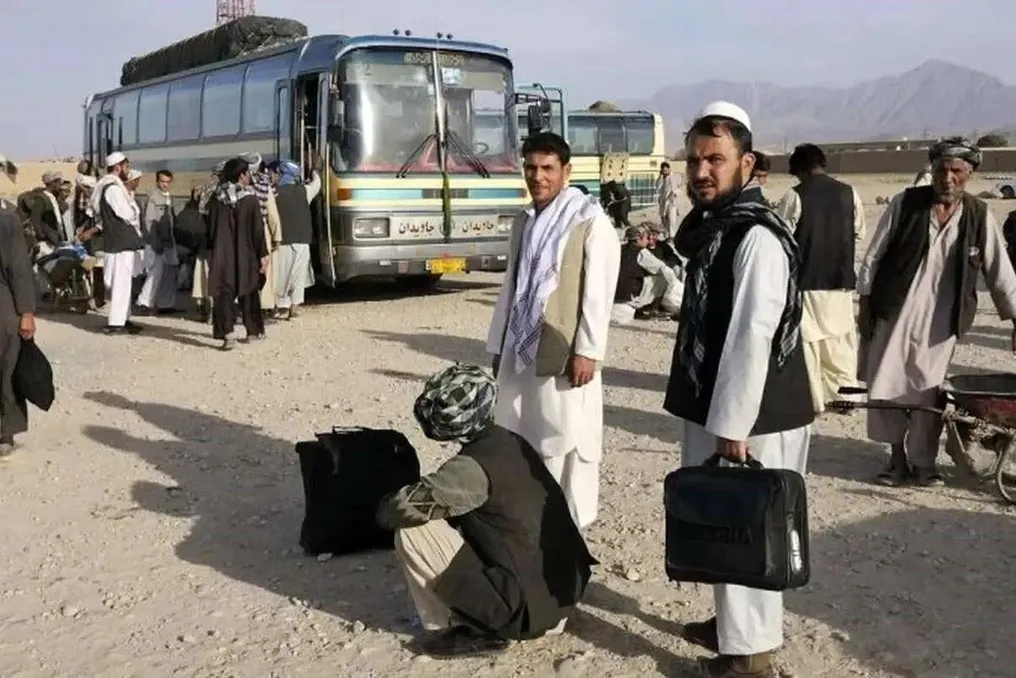
Since the beginning of the current Iranian year, which started on March 21, over 200,000 illegal Afghan refugees have been deported from Iran.

According to Nader Yar-Ahmadi, head of the National Migration Organization, out of 4.8 million Afghan refugees residing in the country, about 2.8 million are unregistered. The official added that unauthorized refugees do not have the right to receive any services in Iran because they committed the crime of illegal entry, and will therefore be expelled as a punitive measure.

Iran at the forefront of refugee assistance

For the last four decades, Iran has been one of the leading countries hosting the largest number of migrants and refugees, despite the numerous difficulties the country faces. Most of these refugees arrived from Afghanistan, fleeing wars, instability, poverty, and crises in their home country.

In 2023, the global figure for international migrants was approximately 304 million people, of whom 83 million were internally displaced. According to the United Nations High Commissioner for Refugees (UNHCR), Iran hosts about 773,000 refugees with Amaesh cards and more than 2.7 million people in refugee status. The total number of refugees makes Iran the second-largest host country, accommodating over 3.5 million refugees, making it an important part of the global picture and a key player in managing the migration crisis.

Unofficial statistics and field reports claim that seven million Afghans live in the country, four million of whom lack documentation. International organizations such as the International Organization for Migration (IOM) have always highly praised Iran for providing various types of services, including healthcare and education, to refugees. Children from Afghanistan attend the same schools as Iranian students without needing to pay extra fees, unlike in other countries where refugees face serious restrictions in accessing medical care and education.

Danandzai Bhattarai, head of the UNHCR in Holy Mashhad, praised Iran's generosity in hosting refugees and treating them with dignity. Most Afghan refugees in Iran live in cities and villages and constantly interact with host communities. Iran, in cooperation with international organizations, strives to help refugees gain opportunities for employment, vocational training, and collaboration with non-governmental organizations; this approach has transformed migrants from a passive population into an active part of society.

Nevertheless, Iran faces serious problems as the international community has provided less than a third of the funds needed to meet the humanitarian needs of refugees. With the start of the current Iranian year, which began on March 21, the government adopted a new policy aimed at organizing refugees for the return of unauthorized migrants. UNHCR reported in a press release on October 27 that in the first nine months of 2025, over 1.7 million Afghan refugees returned from Iran to Afghanistan.

A wide range of services is also provided at the borders, especially in the provinces of South Khorasan, Northeast Khorasan Razavi, and Southeast Sistan-Baluchestan. According to the Ministry of Health website, these services include establishing medical camps, screening for infectious diseases, and ensuring safe water and sanitation. The Ministry of Health has established permanent and temporary camps for examinations and providing medical care, such as injections, serum therapy, and treatment of acute cases.

Popular