Test match between Australia and Bangladesh concluded in two days, becoming one of the five shortest in history
Read more
Aaj Tak
www.aajtak.in

Test match between Australia and Bangladesh concluded in two days, becoming one of the five shortest in history

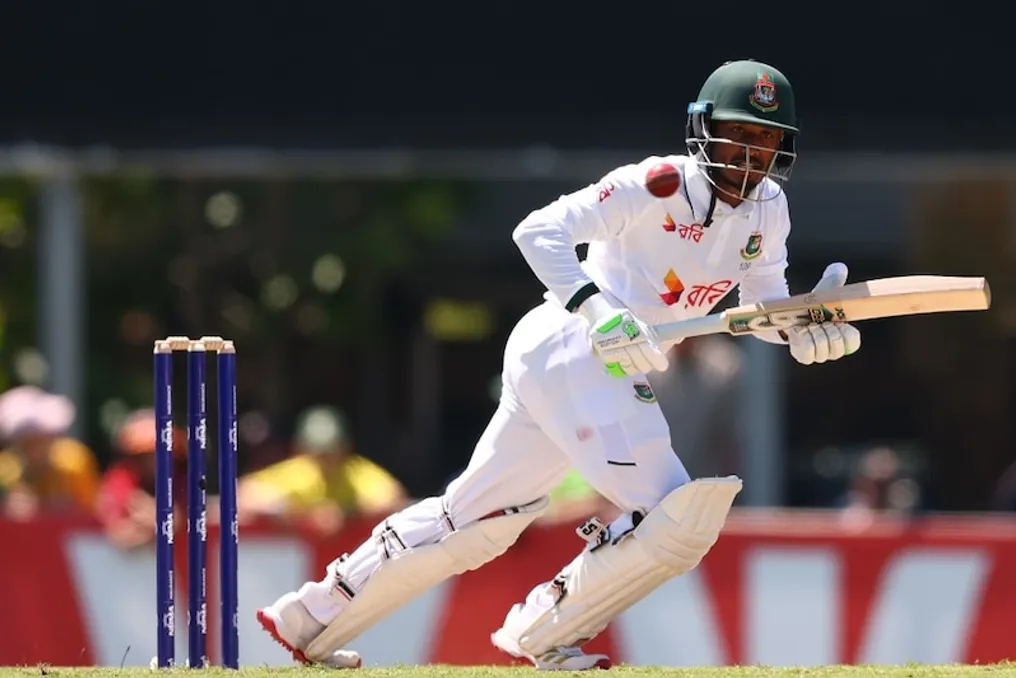
The Test match held in Mackay between Australia and Bangladesh was completed in just two days. Australia defeated Bangladesh by one innings and 51 runs, thus concluding the five-match series in record time.

This encounter is now among the five shortest Test matches in cricket history, sparking active discussions in the sports community.

During this Test, the Australian team secured a convincing victory, defeating Bangladesh in only 750 legal deliveries. Mitchell Starc distinguished himself in the match by taking 10 wickets. Bangladesh managed to score 64 and 95 runs in their two innings, while Australia scored 210 runs. A total of four sessions were played, and all 30 wickets fell.

Former Australian batsman Justin Langer expressed strong disagreement regarding such a rapid conclusion to the game. He stated that allowing a Test match to end in two days is unacceptable. In Langer's opinion, this not only leads to disappointment for fans and children who come to watch the game but also causes serious financial damage to the Cricket Australia (CA) and grassroots cricket.

Historically, the shortest Test match took place between South Africa and India in Cape Town in 2024. This match ended after only 642 balls. The passionate play of Mohammed Siraj and Jasprit Bumrah allowed the Indian team to win easily by seven wickets.

The second shortest match was between Australia and South Africa in Melbourne in 1932, which lasted only 656 balls. In this game, the South African team was eliminated after scoring 36 and 45 runs in its two innings, leading to a large victory for Australia by one innings and 72 runs.

Third place in this list is occupied by the match between West Indies and England, which took place in Bridgetown in 1935. This unusual contest resulted from poor playing conditions and tactics, leading to the declaration of two innings. The match, which lasted up to 672 balls, ended with an English victory by four wickets. The recent Australia versus Bangladesh Test (Mackay, 2026) has also entered this list. Concluding in only 750 balls, this match forced Bangladesh to capitulate due to 10 wickets taken by Mitchell Starc.

Fifth in length among matches calculated by the number of balls is the game between England and Australia in Manchester in 1888. This match, which lasted 788 balls, ended with an English victory by one innings and 21 runs. Notably, despite being over 130 years old, it remains the shortest Ashes Test by the number of balls.

Similar stories

Bangladesh lost the first test match against Australia; Mitchell Starc took 6 wickets
Read more
www.aajtak.in

Bangladesh lost the first test match against Australia; Mitchell Starc took 6 wickets

The second Test between Australia and Bangladesh began with dominance by the Australian team. After losing in Darwin, the Australian side demonstrated an impressive recovery that Bangladesh's visitors did not expect. Already on the first day of the match in Mackay, the Bangladeshi team was put out of the game, scoring only 64 runs in the first innings.

The situation in the match was so difficult that nine wickets were lost in just 39 runs. It seemed that Bangladesh would set the lowest score in its history of Test matches in Mackay. However, the partnership of Shoriful Islam (14) and Taijul Islam allowed the team to avoid a humiliating result, as Bangladesh's lowest score in Test matches is 43 runs, achieved against West Indies in July 2018 in North Sound. The lowest score in the history of Test cricket belongs to New Zealand, which recorded it against England in Auckland in 1955.

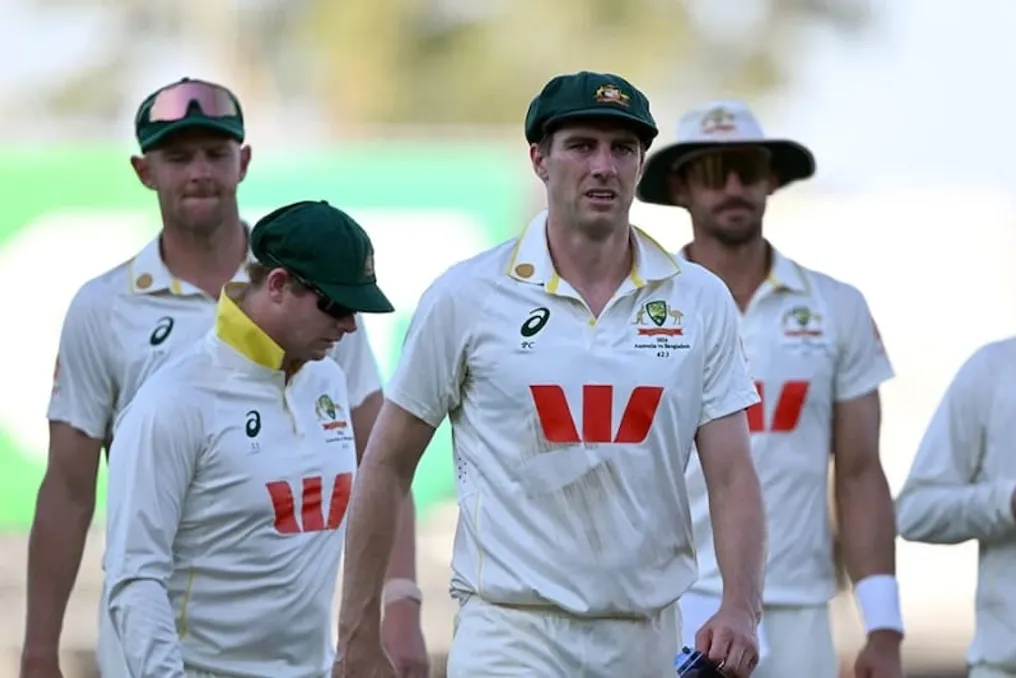
The main factor that worsened Bangladesh's position in the first innings was Mitchell Starc. He took 6 wickets, conceding only 12 runs in 10 overs, with 6 of them being maidens. Furthermore, captain Pat Cummins took 3 wickets, allowing the opposition to score 25 runs in 10 overs. Another success was registered by Josh Hazlewood. Seven Bangladeshi batsmen were dismissed for one run each, with batsman number 11 Shoriful Islam making the biggest contribution.

Starc delivered the first blow to Bangladesh's innings right from the start, when Shadman Islam was dismissed for zero. Starc himself took the first five wickets of Bangladesh for only 12 runs, and this happened in less than 45 minutes. Starc also finished off Bangladesh's innings by dismissing Shoriful Islam. The top-order batsmen of Bangladesh looked completely helpless against the aggressive fast bowling of the Australians and could not play a big innings.

International Cricket Council threatens Australia with sanctions over slow pace of play in WTC
Read more
www.aajtak.in

International Cricket Council threatens Australia with sanctions over slow pace of play in WTC

The Australian team faced issues after losing to Bangladesh in a match in Darwin, where they lost by 9 wickets. This was the first time Australians had lost a Test at home against Bangladesh, raising questions about the team's players. However, difficulties continue: the Australian team is under threat of measures from the International Cricket Council (ICC) due to the slow pace of play.

If the team is found guilty, it faces not only the withholding of player match fees but also the loss of important points in the World Test Championship (WTC). The problem arose on the third day of the match. Australia completed only 86 overs that day, whereas under normal conditions, 90 overs are required. Thus, the host side lagged behind the established number by four overs.

Although the match concluded before tea on the fourth day, the slow pace on the third day cannot be ignored. The final decision on the situation will be made by the match referees, taking into account the conditions and time delays. Previously, former Australian batsman Simon Catch expressed dissatisfaction with the slow pace, calling it a serious issue in modern cricket and noting that the current rate of completing overs is ridiculous.

The greatest danger for Australia is the possible reduction of points in the WTC. According to ICC rules, points can be deducted from a team for slow play. Currently, Australia ranks first in the WTC table with 84 points and a percentage of 77.78. With a deduction of four points, their score could drop to 80. Although the exact penalty will be determined after assessment by the ICC and the match referees, the slowdown in pace has already harmed Australia previously; in the past WTC cycle, four points were deducted from them for slow play.

Australian players may also suffer financial losses. The rules provide for a fine of five percent of the match fee for every over played slower than the established pace. Reports indicate that Australian players earn around $20,000 per Test. If a 20 percent fine is applied for the deficit of four overs, each player could lose approximately $4,000, totaling about $44,000 for the starting eleven.

Nevertheless, no official announcement of any sanctions against Australia has been made yet. The match referees may take factors such as the high heat and humidity in Darwin into consideration when making their decision.

Tanzid Hasan Tamim scores historic century in Darwin Test against Australia, ending 23-year wait
Read more
www.aajtak.in

Tanzid Hasan Tamim scores historic century in Darwin Test against Australia, ending 23-year wait

Young Bangladeshi batsman Tanzid Hasan Tamim achieved a historic feat in the Darwin Test match against Australia. He became the first player from Bangladesh to score a Test century on Australian soil, reaching this milestone at the age of 25.

Tamim, who was playing in only his second Test match, scored a century by accumulating 101 runs off 188 balls. His contribution to the game also included eight fours and one six. Tamim was dismissed by Nathan Lyon. This innings was particularly significant as it pitted him against a powerful Australian side featuring stars such as Pat Cummins, Michelle Stars, Josh Hazlewood, and Lyon.

Bangladesh initially reduced Australia to 198 runs, and then, thanks to the brilliant performance of Tanzid Hasan Tamim, managed to gain an advantage in the first innings, strengthening their position in the match.

Previously, the record holder among Bangladeshi batsmen for the highest score in Australia was Hannan Sarkar. In 2003, he scored 76 runs against Australia in a Test in Cairns. For over two decades, no Bangladeshi player had surpassed this figure. Now, Tanzid Hasan Tamim has exceeded this mark in his second Test match, setting a new historical record.

This innings marked Tanzid Hasan Tamim's first half-century in his career, but he did not stop at fifty. Initially, he demonstrated patience against the fast Australian bowlers, waiting for loose deliveries. After settling in, the left-handed batsman increased his scoring rate.

The partnership between Tanzid Hasan Tamim and Momindu Hovik played a crucial role in solidifying Bangladesh's strong position. They together scored 102 runs for the second wicket. Momindu was just one run away from his half-century. Josh Hazlewood broke this partnership by catching him at the backfield when the score was 49. Following this, captain Najmul Hossain Shanto came onto the field and supported Tamim. Both players prevented the Australian bowlers from constantly applying pressure, playing a key role in gaining the first-innings lead.

Before Tanzid Hasan Tamim's historic century, Bangladeshi fast bowler Hasan Mahmud set the stage for the match. Hasan took 6 wickets for 55 runs against a strong attacking Australian lineup. Faced with his deadly bowling, the first innings of Australia ended at only 198 runs. Subsequently, the Bangladeshi batsmen did not let the bowlers' efforts go to waste.

Popular