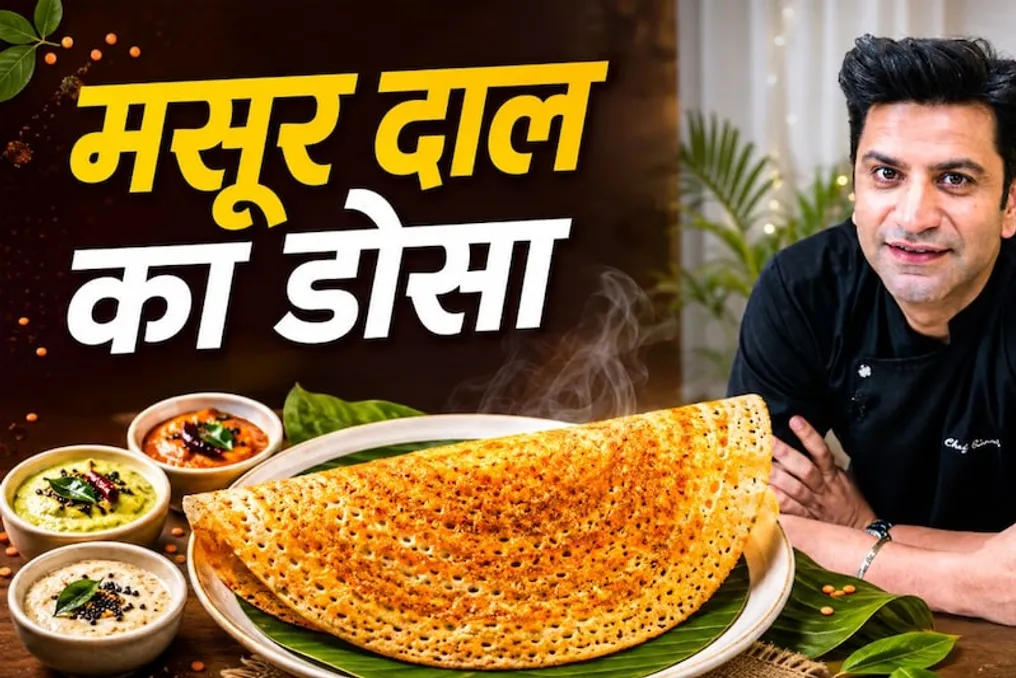
Chef Kunal Kapoor shares recipe for crispy lentil masala dosa and chutney
Read more
Aaj Tak
www.aajtak.in

Chef Kunal Kapoor shares recipe for crispy lentil masala dosa and chutney

The South Indian dish dosa is a popular breakfast, but traditional versions made from rice and black lentils require hours of soaking the beans and fermenting the batter. Now, if you suddenly crave a crispy masala dosa, there's no need to wait for hours.

Renowned chef Kunal Kapoor has presented a very simple and quick recipe for making a protein-rich crispy masala dosa and a tangy tomato chutney using red lentils and suji that you likely have at home. This dosa is prepared without fermentation in just a few minutes, resulting in a very crispy exterior and a nutrient-rich interior.

To make the dosa, you will need: 1 cup of red lentils, soaked for 1 hour; 1 small piece of grated ginger; 2 green chili peppers; 1 clove of garlic (optional); one sprig of curry leaves (optional); 2 cups of water; 1 cup of suji; salt to taste; vegetable oil/butter as needed.

For the chutney, you will need: 3 tablespoons of oil; ¾ teaspoon of asafoetida (hing); 1 tablespoon of mustard seeds; 1 teaspoon of cumin; 3-4 dried red chili peppers; one sprig of curry leaves; 2 tablespoons of black lentils (urad dal); 2 tablespoons of chickpea lentils (chana dal); 1 clove of garlic (optional); 3 cups of chopped tomatoes; salt to taste.

First, rinse the soaked red lentils and place them in a blender jar. Add the ginger, green chili peppers, curry leaves, suji, salt, and a little water to blend into a very fine paste. Transfer the resulting mixture to a bowl and adjust the amount of water to achieve a consistency suitable for dosa. Let the batter rest for 5 minutes.

Next, prepare the tomato chutney. Heat 1 tablespoon of oil in a pan. Sauté the mustard seeds, red chili peppers, and curry leaves. Then add the chickpea lentils and dried red chili peppers, lightly frying them. After this, add the garlic and onion, frying until light pink. Add the chopped tomatoes and salt, cover, and cook for 4-5 minutes until the tomatoes soften. Once the mixture cools, mix it with tamarind juice and blend in a blender, adding as little water as possible.

Prepare the pan: Heat a non-stick or cast iron skillet thoroughly. Lightly spray it with water (this helps set the pan temperature). When the water begins to sizzle on the pan, it means it is ready.

Dosa pouring: Pour a large ladle of lentil batter into the center of the hot pan and spread it evenly into a thin circle, rotating it with a cup or spatula. Brush the edges and center of the dosa with a little oil or ghee. When the bottom side of the dosa becomes golden and crispy, fold it and transfer it to a plate.

Serve the hot, protein-rich, and crispy dosa along with the spicy tomato chutney.
Similar stories

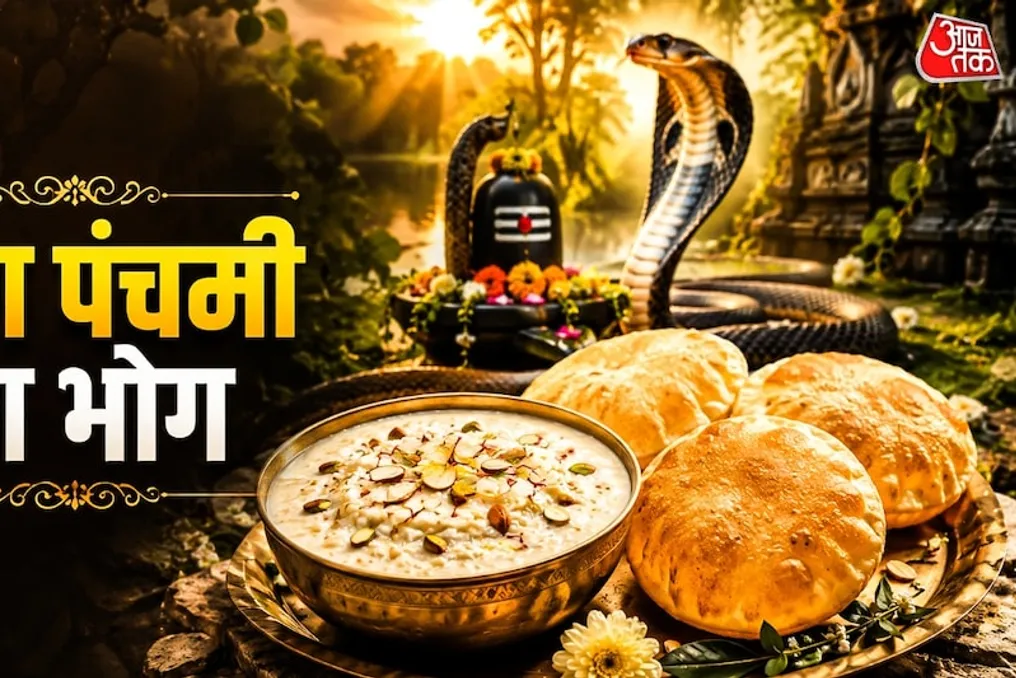
Recipes for Worship During Nag Panchami: Preparing Thick Rice Porridge and Fluffy Flatbreads
Read more
www.aajtak.in

Recipes for Worship During Nag Panchami: Preparing Thick Rice Porridge and Fluffy Flatbreads

During the festival of Nag Panchami in the month of Sawan, there is a special tradition of offering the deity of snakes foods that it likes. According to religious beliefs, it is very auspicious to present thick rice porridge and hot, fluffy flatbreads as offerings on this sacred day.

However, problems often arise: the flatbreads do not rise properly, they quickly become stale, or they absorb a lot of oil during frying. Additionally, when preparing the porridge, cases may occur where it turns out too runny or burns at the bottom of the pot. If you want to prepare an ideal, creamy porridge and airy, crispy flatbreads for Nag Devata, we present several simple and useful kitchen secrets.

To make the flatbreads, you need to knead a sufficiently dense dough. A soft dough tends to absorb more oil, and the flatbreads will not rise. When kneading the dough, it is recommended to add 1-2 teaspoons of semolina and 1 teaspoon of ghee as a thickening agent. Adding semolina helps the flatbreads remain fluffy and crispy for a long time.

After kneading the dough, it should be covered with a damp cotton cloth and left for 10-15 minutes. When frying the flatbreads, the oil must be very hot. If you place the flatbread in cold or insufficiently hot oil, it will start absorbing fat and will not rise. As soon as the flatbread enters the oil, it needs to be gently pressed with a spoon, and it will immediately rise like a balloon.

The following ingredients are required for this dish: 1 liter of high-quality cream, 1/4 cup of soaked Basmati rice, 1/2 cup of sugar, 1/2 teaspoon of cardamom powder, saffron, and finely chopped nuts.

To begin cooking, place the milk in a heavy-bottomed saucepan to heat. When the milk boils, add the pre-soaked and lightly crushed rice. Cook over low heat for 20-25 minutes. After the rice and milk become uniform and thicken, stir in the sugar, cardamom powder, saffron, and nuts, and cook for another 2 minutes before turning off the heat.

For the flatbreads, you will need: 2 cups of wheat flour, 2 teaspoons of semolina, 1 teaspoon of ghee, water (as needed), and oil for frying.

Add the semolina and ghee to the flour, then knead a dense dough. After the dough rests for 10 minutes, form small balls. Roll out the flatbreads slightly thicker (too thin flatbreads will not rise). Fry the flatbreads in very hot oil in a pan until golden brown on both sides.

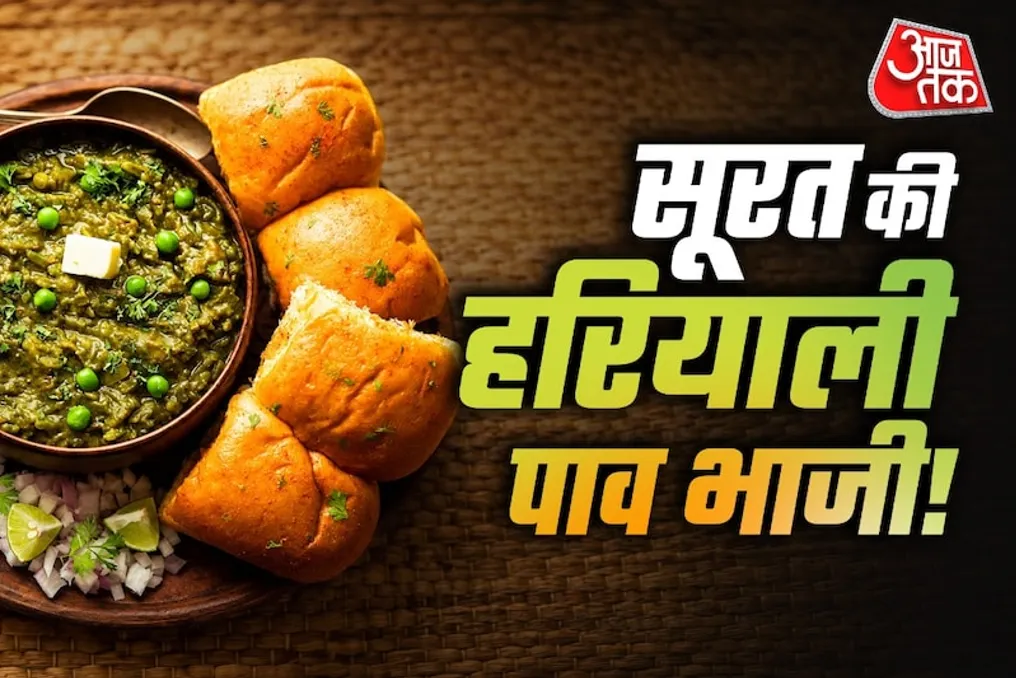
Heriali Pav Bhaji Recipe from Surat: A Green Version of Popular Street Food
Read more
www.aajtak.in

Heriali Pav Bhaji Recipe from Surat: A Green Version of Popular Street Food

The cities of Delhi and Mumbai are known for their street food, and people in both places greatly enjoy eating Pav Bhaji. However, besides Mumbai and Delhi, the city of Surat in Gujarat also serves Pav Bhaji, which differs from the usual version and has a green color.

If you are tired of Mumbai's Pav Bhaji, you should try the famous Heriali Pav Bhaji from Surat. This dish is made from fresh greens such as spinach, coriander, and mint, and it looks not only delicious but also very striking. Various vegetables, oil, and spices for Pav Bhaji are also included, making its taste even more exceptional. In Surat, it is also called Green Ghotala Pav Bhaji.

Thanks to the large amount of green vegetables, this dish is not unhealthy compared to other types of fast food. Moreover, it can be prepared at home using little oil and maintaining cleanliness. It can be offered to children for breakfast because they are attracted by its bright color.

How to make Heriali Pav Bhaji?

Certain ingredients are required to prepare Heriali Pav Bhaji. After cooking, it is recommended to serve hot Heriali Pav Bhaji with fried buns (pav) smeared with butter. To enhance the flavor, you can sprinkle grated cheese and a little red chili. This green and spicy dish is perfect for an evening snack, a party, or a special weekend dinner.

There is a simple trick to prevent the oil from burning when preparing Heriali Pav Bhaji: be sure to mix the butter with a small amount of vegetable oil. Adding oil helps prevent the quick burning of butter and preserves the rich buttery taste in the bhaji itself.

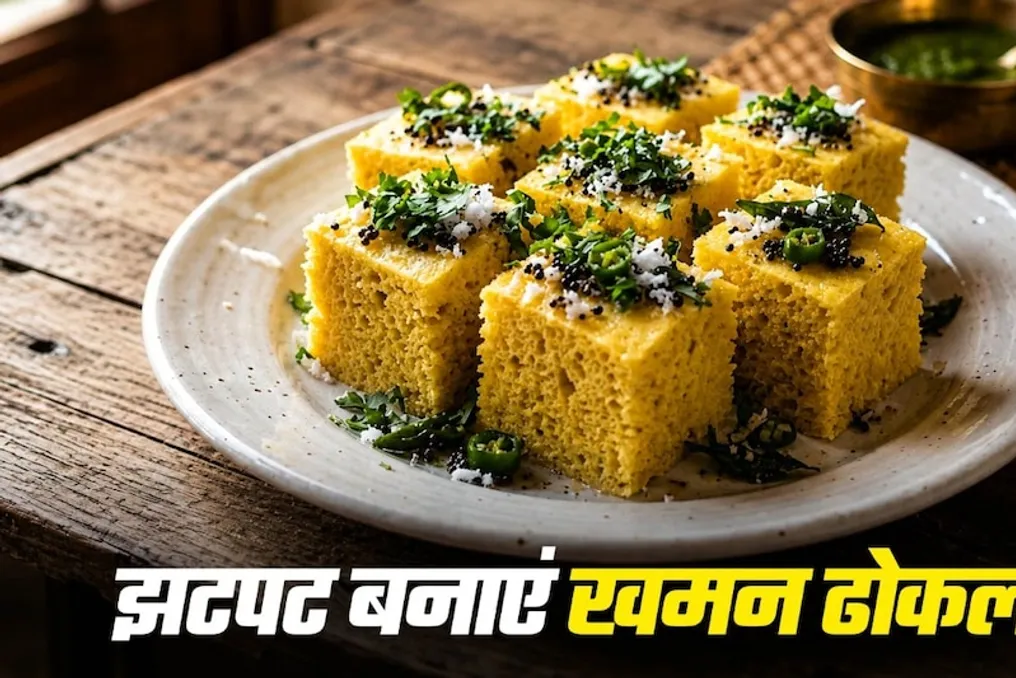
Hamman Dhokla Recipe: How to Make Fluffy and Crumbly Dessert from Lentil Flour and Semolina
Read more
www.aajtak.in

Hamman Dhokla Recipe: How to Make Fluffy and Crumbly Dessert from Lentil Flour and Semolina

Known as Hamman Dhokla in Gujarat, it is popular across the country and enjoyed as a snack even in cities like Delhi and Mumbai. If your family members are tired of monotonous types of dhokla, you can easily make Hamman Dhokla at home and treat everyone to it. Its sweet and sour taste and texture are very appealing to children, and people enjoy eating it immensely.

We will tell you how to prepare perfectly fluffy and juicy Hamman Dhokla that resembles a restaurant version. The main feature of this recipe is that it does not require much preparation time while being a light and healthy snack. It can be used for breakfast in the morning, for an evening tea, or for children's lunch.

Ingredients for Hamman Dhokla

Ingredients for the batter and for the fried tempering are required for preparation.

Simple Preparation Method

First, mix the lentil flour (besan), semolina (sooji), salt, turmeric, and sugar in a large bowl. Then, gradually add yogurt, lemon juice, and a little water to knead a smooth, lump-free batter. Cover the finished batter and set it aside for 10–15 minutes.

In parallel, place water in a steamer or a large pot to heat up. Grease the mold or pan in which the dhokla will be cooked with a small amount of oil. Before starting to steam, add Eno to the batter and mix it lightly, adding one tablespoon of water. As soon as the batter starts to rise, pour it immediately into the greased mold.

Place the mold in the steamer and cook over medium heat for 15–20 minutes. Check for doneness with a toothpick: if it comes out clean, the dhokla is ready. After it cools down a bit, cut it into the desired shape.

Tempering Preparation Method

Heat oil in a pan and add mustard seeds. When they start to sizzle, add green chili and curry leaves, frying them for a couple of seconds. Next, pour water, sugar, and lemon juice into the pan, bringing the mixture to a boil. Gently pour the resulting tempering over the sliced dhokla so that it absorbs the juice well. Finally, garnish the dish with fresh coriander and grated coconut.

Simple Tips for Enhancing Flavor

Popular