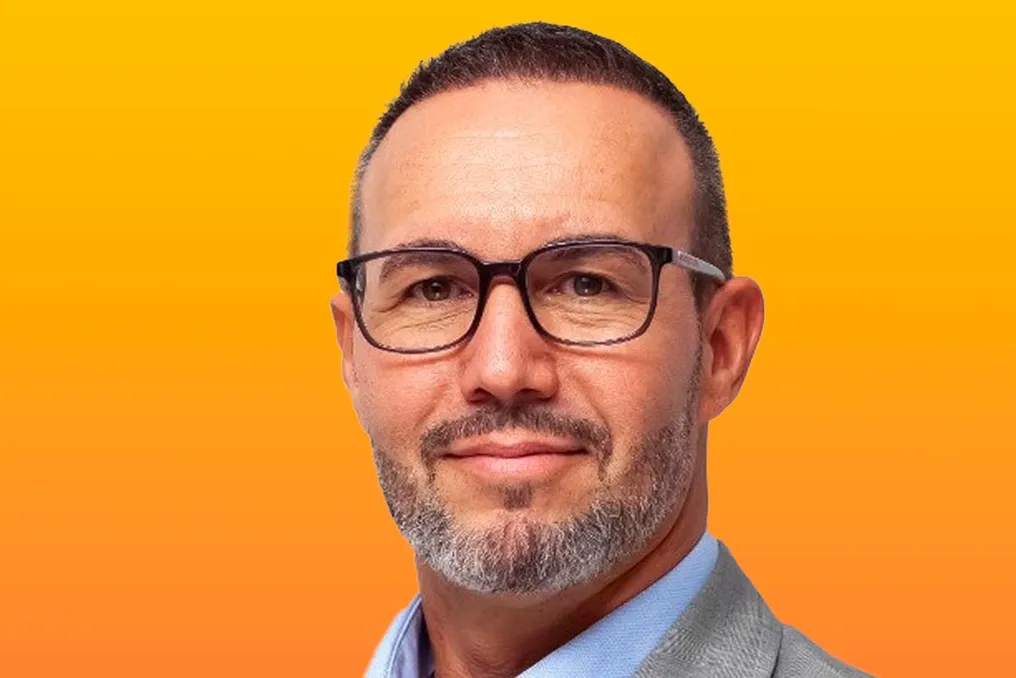
Jorge Mendes, CEO of Cell C, stated that MTN and Vodacom are structurally constrained in their ability to compete aggressively in the virtual mobile network operator (MVNO) hosting market. He explained that under the current market share, aggressive promotion of wholesale services would harm the retail customers of these operators, who could then switch to their own wholesale clients.
Mendes noted that if he held an 80% market share, he would not aggressively enter the MVNO market, provided his retail business maintained a healthy margin and aligned with it.
He emphasized that this limitation is not permanent, but its removal requires time. The operator would need to restructure so that the margin from wholesale sales matched the margin from retail sales. Mendes estimates this process to be multi-year, suggesting it would take two to three years in the short term, depending on the pace of change, and whoever completes the restructuring will determine their readiness to participate in the business.
When asked directly whether Cell C's retail and wholesale margins were comparable, Mendes answered affirmatively. This explains why the third operator can employ a strategy unavailable to the first two.
Cell C operates on the infrastructure of MTN and Vodacom, not its own radio access network, meaning the company does not possess a retail base that could be cannibalized. Cell C's wholesale division increased revenue by 20%, reaching 1.76 billion rand by May 31, 2026, by adding 1.2 million MVNO subscribers and bringing the total number of lines to 5.71 million. The company believes it serves 80-85% of the South African MVNO market.
Competitors are still closing in
Nevertheless, MTN has expressed its desire to become the leading wholesale provider for MVNO in South Africa, and Vodacom has entered the hosting market. Mendes expressed skepticism about the latter, noting that Vodacom was merely signaling intentions, and nothing has been established in its MVNO segment yet.
Regarding Mr Price, Mendes acknowledged the point but clarified that this agreement predates any strategic changes and is classified as an MVNO wholesale arrangement, despite having been in effect for years. Cell C also serves Mr Price within the framework of what Mendes described as a dual agreement with providers.
He was less critical of MTN, noting that it has long served wholesale clients. He cited Standard Bank, which switched to MTN with its platform, while its old subscriber base remained with Cell C via MVNX.
Concerning whether anything structurally prevents MTN from lowering prices on wholesale services compared to Cell C, Mendes was cautious. Competition rules regarding margin compression and abuse of dominance apply, and Cell C is the largest buyer of wholesale traffic in the country. Selling even a small portion of this volume at significantly lower prices would raise questions about margin compression. By analogy, he stated that nothing prevents them, and competition is welcome.
MTN has already agreed with some of Mendes' premises. At an MTN Group capital markets event in June, MTN South Africa CEO Ferdi Moolman stated that he had no interest in supporting an MVNO located 'directly within the area where MTN already has market share,' warning that some players now view telecommunications as a loss-making product, posing a risk of 'value destruction.'
MTN is also reorganizing its wholesale access pricing, moving to a four-pillar structure covering price, bandwidth, quality, and—for the first time—the market segment served by the partner. Moolman stated: 'If you want high quality, you have to pay a premium price.'
This is not a retreat from MVNO hosting, but a narrower version of it, built around the same conflict Mendes describes: placing where the base grows and refusing where it is consumed.
Mendes' argument is not new. During a data market investigation by the Competition Commission in 2019, an inherent conflict of interest between mobile operators and the MVNOs they manage was identified. It was concluded that operators were thus slow to adopt them, and that legislation was the only way for MVNOs to survive. Most early MVNOs in South Africa, including Virgin Mobile, went bankrupt.
The regulator Icasa tied MVNO hosting obligations to the spectrum auctioned in 2022. The electronic communications amendment bill goes further, requiring any operator covering at least 90% of the population—in practice, Vodacom and MTN—to provide MVNO services upon request, with Icasa setting wholesale pricing rules. The deadline for submitting written submissions is set for one month after the initial extension of one month.