As cold weather persists, many residents of South Africa are looking for ways to maintain hearty family dinners without exceeding their food budget. Although food inflation has dropped to a 16-year low of 0.6% in July 2026, the issue of price versus quality remains a priority for households. In this climate, it is as important to use simple ingredients as efficiently as to choose dinner dishes.
According to chef and culinary strategist Napo Ramaily, speaking on behalf of B-well, the solution is not necessarily to buy less food, but to use what is already in the kitchen more wisely. He emphasizes that 'Winter is a time when people gather around good food. To make a meal special, you don't need expensive ingredients. Start with seasonal produce, make good use of pantry staples, and make every ingredient work.'
For Ramaily, saving starts long before the food reaches the table; it begins with planning what today's meal can become tomorrow. He gives an example: 'If I roast chicken, I already know how I will use the leftovers. The chicken will turn into tomorrow's fried rice or rolls, and the bones will go straight into the pot to make homemade broth.'
A similar approach applies to everyday items like beans and lentils. A large pot of bean stew can be served with pap one evening, and the next day it can be turned into a thick soup or used as a filling for vetkoek. Even vegetables can serve multiple functions. 'Leftover pumpkin or samp doesn't have to stay the same. Turn it into pumpkin fritters or add it to vegetable soup. With a little creativity, very little goes to waste.'
Planning ahead also relieves some stress during busy weeknight evenings. A double portion of soup, stew, or chicken in one pot can easily serve as lunch or dinner the next day, saving both time and money while reducing food waste.
Not all saving tips start in the supermarket. Sometimes the biggest impact comes from habits formed in one's own kitchen. One of Ramaily's simplest tips is to measure cooking oil instead of pouring it directly from the bottle. He notes that this simple change, which many overlook, and using only the necessary amount helps the oil last longer without compromising flavor.
He also advises roasting a large tray of vegetables at once using rapeseed oil. Roasted pumpkin, carrots, and onions can be served with dinner, added to salads the next day, or put in rolls for lunch later in the week, allowing one cooking session to cover several meals.
When it comes to feeding the family, Ramaily believes that some of South Africa's most beloved dishes are also the most economical. He recommends building menus around seasonal vegetables, legumes, and affordable staples such as rice, pap, and samp, using protein for flavour rather than making it the centrepiece of every plate.
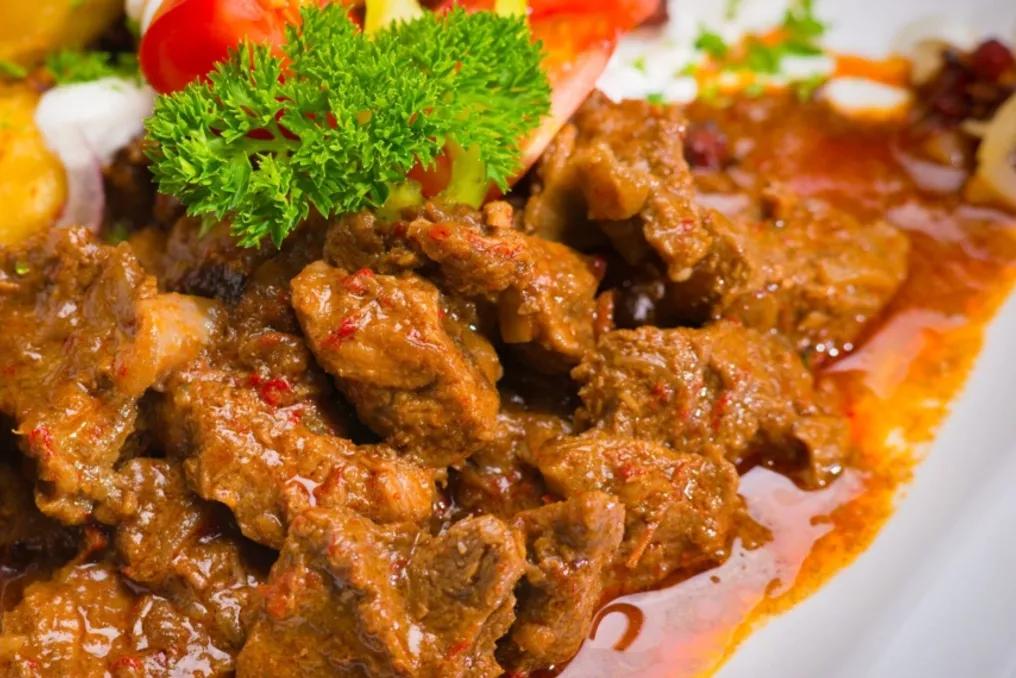
Among his personal winter favourites are hearty bean and lentil soup with dombolo, one-pot chicken with rice, slow-cooked beef stew made from more affordable cuts of meat, as well as classic dishes like pap, chakalaka, and stew. Ramaily concludes: 'These are the dishes we grew up with. They are healthy, filling, and designed to feed the family without costing a fortune.'
As family budgets continue to dictate how South Africans shop and cook, the ability to use every ingredient has become more relevant than ever. This winter, a little planning, a few smart kitchen habits, and a new perspective on leftovers can be the deciding factor between stretching the food budget and giving up the comfort of shared meals.