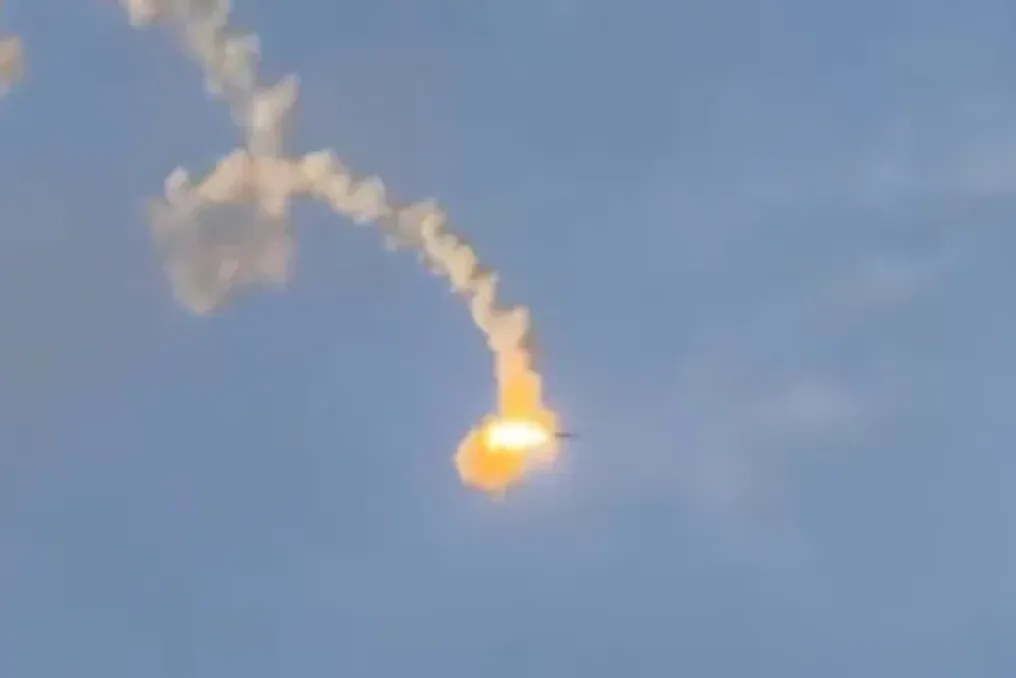
According to TASA, the Maraho rocket was launched at 7:10 local time on Saturday (12:10 Lisbon time) from the Shooting Range in Suhai, Pintung County. The rocket reached a maximum speed of 408 meters per second and ascended to an altitude of 8.1 kilometers in 49 seconds, completing a flight duration of 432 seconds, as reported by the CNA agency.
A two-stage parachute system activated before the craft fell into the sea. Rescue teams were unable to recover it due to sea conditions and drift, but the agency confirmed that all flight data was transmitted in real-time to a ground station.
Among the main objectives of the mission was to test the experimental rocket's ability to maintain continuous communication with control stations and transmit data throughout the entire flight. Information was also gathered regarding the propulsion system, structure, onboard electronics, tracking, ground support, and recovery systems.
The experimental launch vehicle is a small-scale research apparatus designed to deliver instruments to the upper layers of the atmosphere for a short period, without placing satellites into orbit. Unlike orbital rockets, it returns to Earth after the flight, which allows for the collection of atmospheric data and testing of aerospace technologies.
This test launch is part of TASA's long-term program to develop its own orbital rocket. In 2023, the agency began a project aimed at placing a 200-kilogram payload into low Earth orbit by 2034.
TASA CEO Wu Jong-shinn stated that multiple test flights will allow for technology verification and experience accumulation before transitioning to larger rockets, thereby reducing development risks.
The agency plans to use the first-generation suborbital vehicle in 2029 and the second generation in 2031, before conducting the first orbital flight in 2034.
The Maraho rocket, previously known as SR400, is named after the swallowtail butterfly, an endemic species of Taiwan and a national symbol. The rocket has a length of 7.2 meters, a diameter of 0.4 meters, and uses a hybrid propulsion system running on 90% hydrogen peroxide and polypropylene.