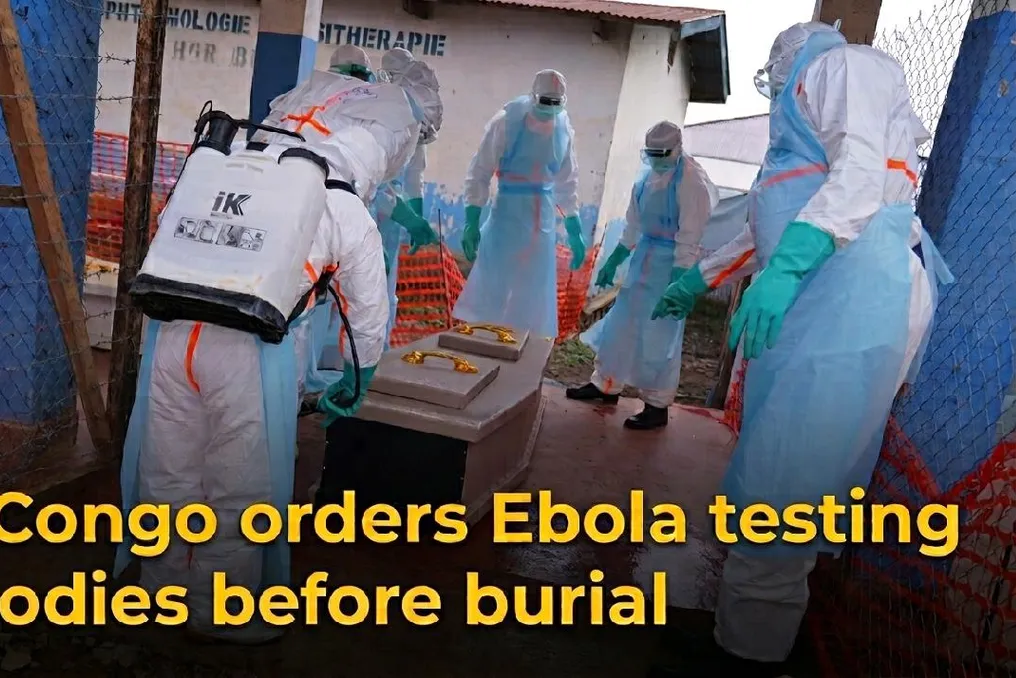
Authorities in the Democratic Republic of Congo are strengthening precautions when handling the bodies of the deceased due to the outbreak of the Ebola virus in the country.
According to new rules, bodies in morgues must be tested for Ebola before they can be handed over to families for burial. Authorities explain this necessity by stating that it is intended to detect infections that might have gone unnoticed and prevent funeral ceremonies from becoming new foci of disease transmission.
Katembo Congo Maombi, an employee at the Rwenzori Medical Center morgue, reported that remains cannot be released without official authorization. He emphasized: 'No one is allowed to leave the morgue without authorization. That is how we work here.'
Families are forced to wait for the collection and analysis of samples before receiving the bodies of their loved ones. Furthermore, medical staff are conducting educational work with relatives, informing them about the risks and encouraging safer burial methods.
Priscilla Luanda, senior health advisor to the governor of North Kivu, noted that families are notified of the current procedures when a body arrives at the morgue. Luanda stated: 'In the event of death from Ebola, we have taken measures to communicate with the family. This also helps us raise public awareness. When the family brings the body to the morgue, they are informed that they must wait until samples are collected and tested before proceeding with the burial.'
Safe and dignified burials are a critical part of the fight against Ebola, as the virus can remain highly infectious in the bodies of the deceased. Therefore, medical personnel strive to minimize direct contact with the remains while allowing families to conduct funerals in accordance with cultural traditions as safely as possible.
These measures are being taken amid the DRC's fight against the Ebola outbreak, which authorities declared in May. The outbreak began in the Kasai province and spread rapidly, prompting health authorities and international partners to expand surveillance, vaccination, and treatment efforts.
The World Health Organization and other medical agencies are providing support in identifying suspected cases, tracing contacts, and strengthening infection prevention measures in communities and healthcare facilities. Medical workers hope that stricter control when handling bodies, combined with early detection and public awareness, will help break chains of transmission and slow the spread of the outbreak.