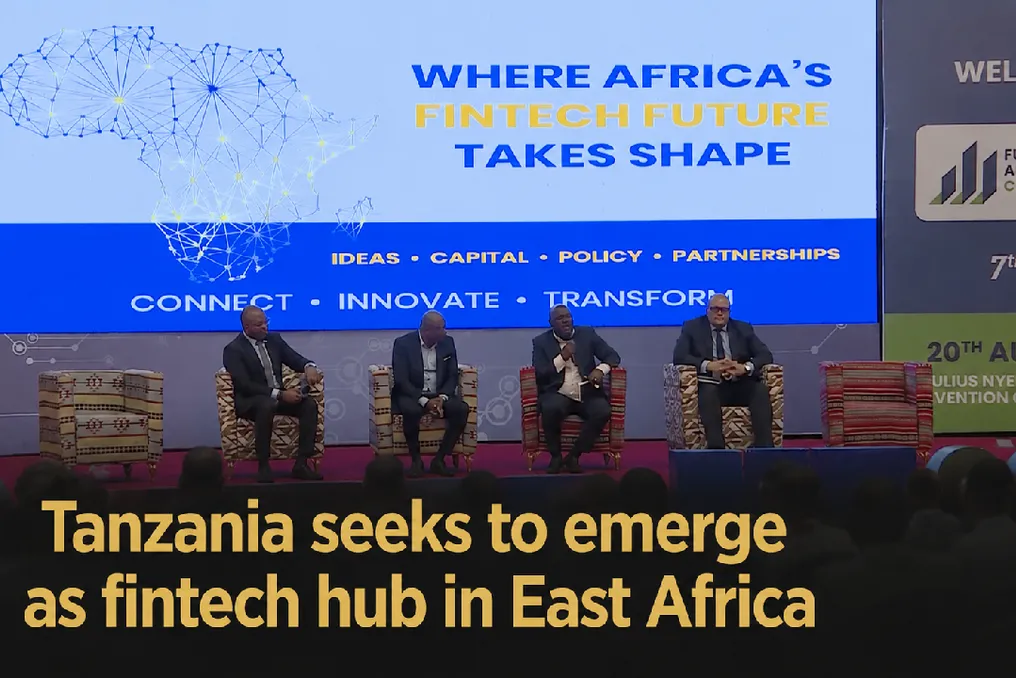
Tanzania is working to establish itself as a growing financial technology center in East Africa, as the rise of mobile money, digital payments, and the startup ecosystem continues to transform access to financial services.
The seventh edition of the Tanzanian Fintech Festival, held in Dar es Salaam, gathered entrepreneurs, investors, and technology specialists to explore future directions for financial innovation and methods for attracting funding for startups.
The two-day festival attracted over 8,000 fintech professionals from more than 83 countries. Festival organizers state that the event aims to facilitate business deals worth up to $190 million.
Among the participants was entrepreneur Auni Mikidadi, who is exploring opportunities in the fintech sector after her experience in printing, real estate, and livestock. Mikidadi noted that despite the growing interest from investors in the sector, access to funding remains a challenge for fintech entrepreneurs.
He emphasized: 'You find a lot of funding for climate change. Here in Tanzania, we have many initiatives and funding for climate change. But regarding fintech, some people provide funds, although access to them raises questions.'
Nevertheless, investment firms assert that funding is available for startups that can demonstrate strong business models and competent teams. Allen Kazungu from Africapital stated that having a well-structured team can increase investor confidence and improve a startup's chances of securing funds. He added: 'One of the biggest challenges we usually face is finding a well-structured team, and some startups do not have one at all.'
Tanzania's drive to develop the fintech industry comes against the backdrop of the continued expansion of the digital payments market in the country. The government states it is developing policies to support digital business while ensuring fairness and inclusivity in innovation. Minister of ICT Angella Kariuki strongly called for protective measures regarding AI-based decisions to guarantee fair and transparent access to credit.
Kariuki stated: 'As artificial intelligence becomes increasingly influential in making financial decisions, we must ensure that automated decisions affecting credit access are fair, transparent, and accountable. Technology should not automate exclusion; it should empower.'