The third edition of the Michelin Guide in Argentina brought significant updates for gourmet enthusiasts. The cities of Buenos Aires and Mendoza together feature 89 establishments recommended by the reviewers. Among them, one restaurant received two stars, while thirteen were awarded one star. No location was granted the maximum three-star rating.
Additionally, eleven restaurants were honored with the Bib Gourmand distinction, intended for places that offer quality cuisine at affordable prices. Another eleven restaurants received the 'Green Star' in recognition of their commitment to promoting sustainable gastronomy.
Buenos Aires
In the heart of Recoleta, Aramburu remains the only Argentine restaurant with two stars. Near Vicente López y Planes square, this establishment led by Chef Gonzalo Aramburu offers a seasonal tasting menu, blending modern techniques with the refined presentation of Argentine products. The cost of this menu is 360 thousand pesos (approximately R$ 1,200), and reservations are made through the website.
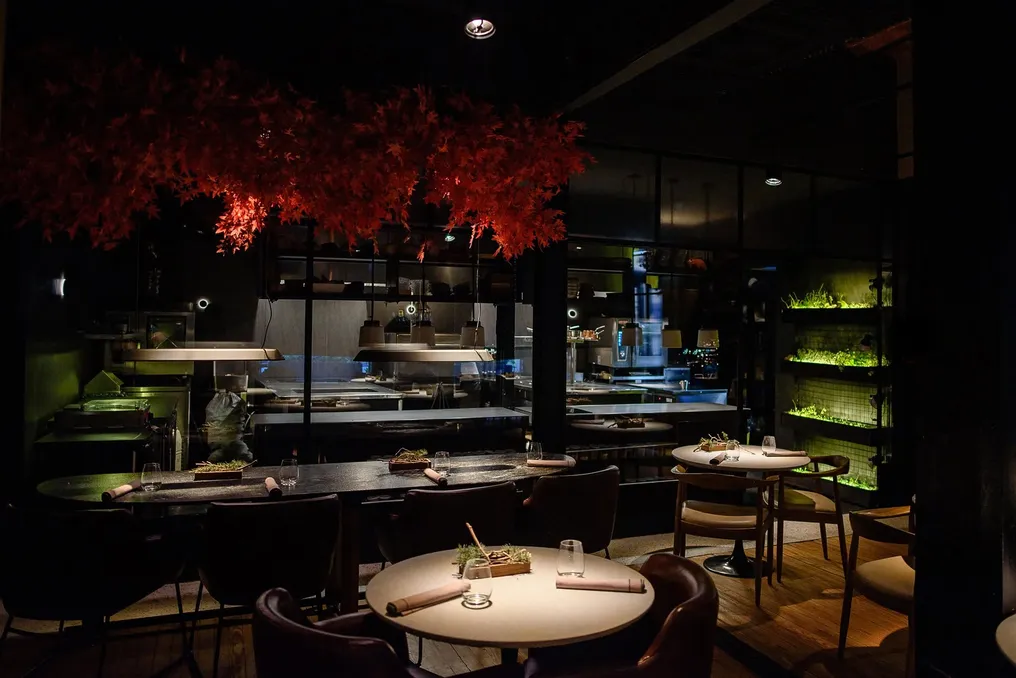
In 2026, four restaurants earned their first Michelin Guide star, one in Buenos Aires and three in Mendoza. In Buenos Aires, Han, located in Villa Crespo, stands out as a contemporary Korean cuisine restaurant, under the direction of Chef and owner Pablo Park. The place has a welcoming atmosphere, with a large counter facing the kitchen and a vertical garden, serving two seasonal tasting menus. One notable dish is the Korean ravioli stuffed with beef tongue, accompanied by white kimchi, purple sweet potato, and fruit broth.
The restaurants Don Julio, Crizia, and Trescha also maintained their stars in Buenos Aires. Don Julio, situated in a 19th-century mansion in Palermo, is famous for its Portenho parrilla and the excellence of its meats, using ingredients from its own production and earning the Green Star. Crizia, in Palermo Hollywood, is recognized for its seafood and also received the Green Star, with Chef Gabriel Oggero working with inputs from small Argentine producers in a contemporary technique kitchen. Trescha, in Villa Crespo, commanded by Chef Tomás Treschanski, offers a tasting menu that varies according to the season, bringing together dishes of various origins, techniques, and ingredients.
Mendoza
In Mendoza, three restaurants began their journey with a star in the selection. Cal, located in the family winery Sitio La Estocada in Gualtallary, Uco Valley, is run by Chef Enzo González Petra. This space features a covered terrace and open kitchen, serving a seven-course tasting menu with farm ingredients, respecting natural cycles and valuing organic farming, which earned it the Green Star in addition to the star.
Centauro, located in an old mansion near the center of Mendoza, presents a personalized tasting menu created by Colombian Chef Aris Pabón. The environment preserves elements of the original structure, while the cuisine includes dishes such as shrimp with meunière sauce, complemented by a varied beverage list featuring wines, craft beers, and signature cocktails. Finally, La VidA, in Chacras de Coria, within the Susana Balbo Winemaker’s House & Spa hotel, offers a seven-course tasting menu, uniting gastronomy and wines, under Chef Flavia Amad Di Leo, in a contemporary dining room with an open kitchen, featuring Susana Balbo's own labels.
Besides the four new starred restaurants, other establishments in Mendoza maintained their distinctions. Casa Vigil, in Maipú, combines winery and gastronomy; Zonda Cocina de Paisaje, in San Martín, uses products from its own garden; Brindillas, in Luján de Cuyo, prioritizes local ingredients; Azafrán, in downtown Mendoza, focuses on contemporary cuisine; Angélica Cocina Maestra, at the Catena Zapata winery, concentrates its gastronomy on wine; and Riccitelli Bistró, at the Matías Riccitelli winery, showcases traditional Mendocino recipes. Casa Vigil, Zonda Cocina de Paisaje, Riccitelli Bistró, and Angélica Cocina Maestra also maintained the Green Star.
Five other restaurants received the Green Star, including Don Julio, Crizia, Casa Vigil, Cal, Zonda Cocina de Paisaje, Riccitelli Bistró, and Angélica Cocina Maestra. Three of these are in Buenos Aires: Anchoíta, in Chacarita, has an open kitchen and central grill, serving shared dishes with sausages, Argentine cheeses, fish, meats, and organic farm vegetables. El Preferido de Palermo, belonging to the same owner as Don Julio, operates in a 1885 pink mansion, reviving Portenho cuisine with items such as sirloin milanesa and artisanal charcuterie. Alcanfor, in Villa Crespo, is a bistro by Chef Julián Galende, whose contemporary menu values fresh and seasonal ingredients, promoting sustainable practices such as composting and full food utilization.
In Mendoza, Osadía de Crear, at Bodega Susana Balbo, complements the wine tourism experience with contemporary cuisine by Chef Flavia Amad Di Leo, whose tasting menus use local and seasonal ingredients, such as pumpkin, green beans, beetroot, and pomegranate, which can be paired with the property's wines.
With this 2026 list, there are a total of 11 restaurants with the Green Star in the country, distributed among five in Buenos Aires and six in Mendoza. The Michelin Guide also pointed out 11 restaurants with the Bib Gourmand seal, all located in Buenos Aires.
Buenos Aires (Bib Gourmand)
Bis Bistró, in Recoleta, maintains the style of 1950s bistros, offering a menu that blends tradition with modernity, with options such as potato tortilla, anchovies, Patagonian lamb, and pavlova with seasonal fruits. Reliquia, in Palermo, provides an intimate and relaxed atmosphere, focusing on fresh ingredients and vegetables, standing out with smoked butter brioche, beetroot, artichokes, Brussels sprouts, and agnolotti. Anafe, in Colegiales, combines Asian, Australian, Jewish, and Mediterranean references in sharing dishes, while Ajo Negro, in the same neighborhood, specializes in informally prepared fish and tapas.
In San Telmo, Caseros presents simple, home-style cuisine in a family atmosphere with retro decor, valuing Argentine ingredients, such as warm shrimp salad and eggplant parmesan. Mengano, in Palermo, evokes an old tavern, serving tapas and smaller portions, such as meat empanadas and lamb tartare. La Alacena Trattoria, also in Palermo, is run by Chef Julieta Oriolo and is dedicated to family Italian cuisine, with handmade pastas like veal ravioli and polpette al sugo. Ácido, in Chacarita, is a modern and informal restaurant that limits its menu to eight dishes, served in varying sizes, mixing global references, such as the Korean tteok ball in cacio e pepe style. MN Santa Inés, in the La Paternal area, operates in an old bakery, where Chef Jazmín Marturet creates a short and contemporary menu, marked by the use of spices and acidic flavors.
New additions to the Bib Gourmand include Chuchú, near the National Railway Museum, which offers casual Portenho cuisine with milanesa, polenta, and focaccia, and Garabato Bistró, near Núñez station, a neo-bistro that combines traditional recipes with current touches in sharing dishes.