The main reason for most diseases in India lies in the unhealthy lifestyle and diet of the people. The lack of regular physical exercise and improper nutrition lead to numerous health problems. Because of this, people in stressful lives, under work pressure, and with constantly growing needs seek peace and simplicity.
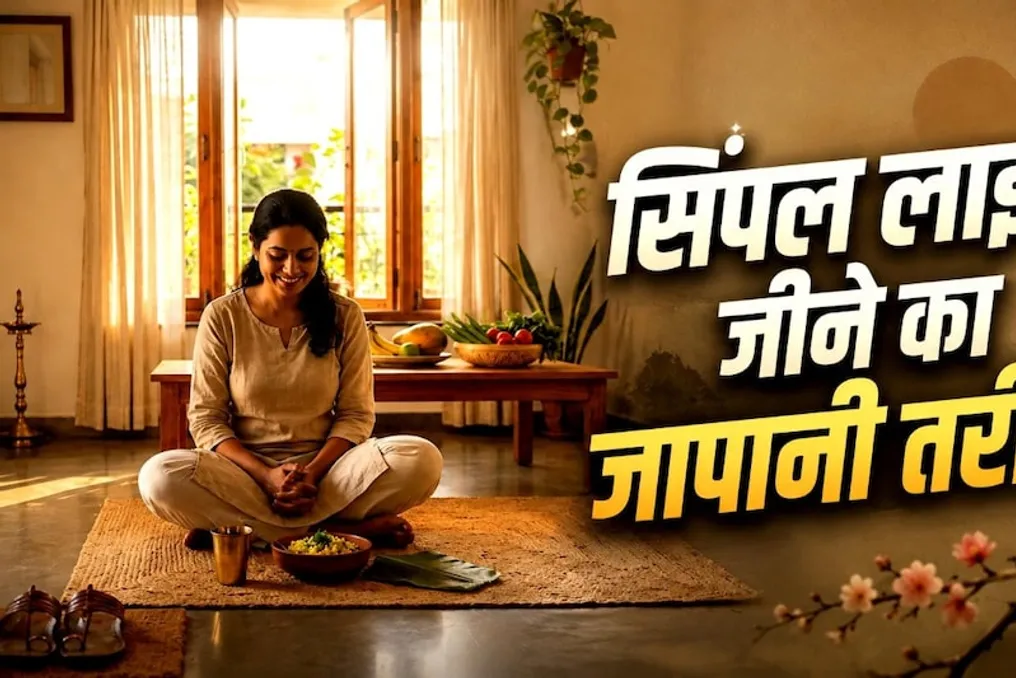
Some small habits related to the lifestyle in Japan can be easily integrated into the daily life of Indian households. If these Japanese practices are incorporated into one's life, it is possible to achieve a simple and peaceful way of living without exerting excessive effort. The goal of these habits is not only to increase discipline but also to form the habit of maintaining order in the home, valuing possessions, expressing gratitude for food, and finding time for oneself. Furthermore, implementing them does not require much money or radical changes in lifestyle.
There are many Japanese methods that can be easily added to the daily routine, ranging from cleaning the house to waking up early. Let's look at seven such habits.
Hayao-ki Habit: Early Rising
Elders often say that those who sleep too long lose out on much. In Japan, hayao-ki, which means early rising, is part of people's lives. They believe that a quiet morning can provide an opportunity to start the day more productively. Instead of immediately immersing oneself in mobile devices or work upon waking, time should be set aside for oneself. Light exercises, quiet sitting with a cup of tea or coffee, planning the day, or meditation can make the morning less hectic.
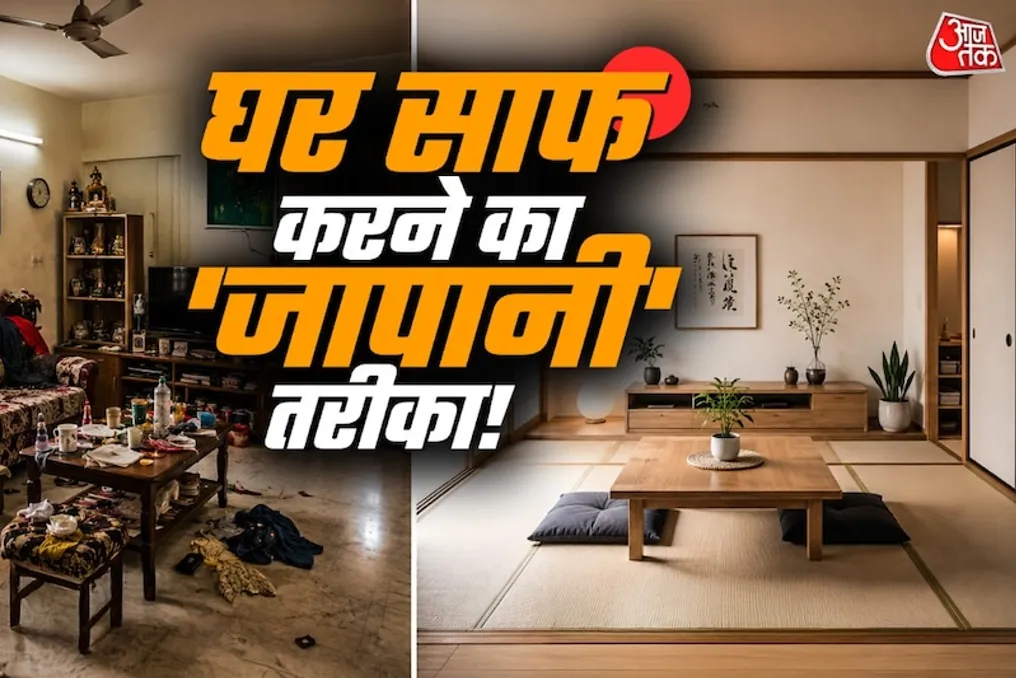
Sodji: Turning Cleaning into a Mindfulness Practice
In Japanese culture, sodji, or cleaning, is viewed not just as a household chore. People believe that maintaining order around them helps calm the mind. Therefore, it is recommended to dedicate a few minutes daily to cleaning without rushing; this promotes mental reset.
Yubune ni Tsukaru: Resting While Bathing
In Japan, the tradition of taking a hot bath is associated with relaxation and tranquility. Instead of viewing bathing solely as a process of cleansing the body, it can be turned into a time to relieve daily fatigue. A few minutes of quiet presence can be a good way to reduce stress and pay attention to oneself.
Itadakimasu: Gratitude for Food
It is customary in schools to give thanks before meals, and this is not just a school rule but a Japanese approach that is now being implemented in people's lives through educational institutions worldwide. In Japan, saying 'itadakimasu' before starting a meal is very common. It is also helpful to pause before eating and express appreciation for the meal itself and for the person who prepared it. This approach also helps prevent food waste.
Kutsu o Soroeru: Proper Shoe Storage
When people come home, they are often scolded for throwing their shoes everywhere. However, there is a Japanese practice that locals observe with great care. Kutsu o soroeru is a small but very beautiful habit of Japanese life, which involves putting shoes in their designated place. This creates a sense of pause upon entering the house and emphasizes the transition from the outside world to the inner world.
Mottainai: Valuing Things
It is important to know how to value things in life, but many fail in this regard. Mottainai is a Japanese conviction that inspires avoiding unnecessary waste and understanding the value of objects. A simple way to adopt this idea is to repair and reuse damaged clothing, furniture, or other household items instead of immediately throwing them away. This habit also helps distinguish between needs and wants.
Shun: Connection with Seasons
In Japanese culture, great importance is placed on the change of seasons and seasonal produce. Shun means enjoying something at its most appropriate or seasonal time. This habit can be integrated into life by enjoying fruits and vegetables available according to the season, observing changes in nature, and paying attention to the environment.
The specialty of these Japanese practices is that they do not require radical changes in life to be implemented. Small steps can make the daily routine more organized and peaceful.