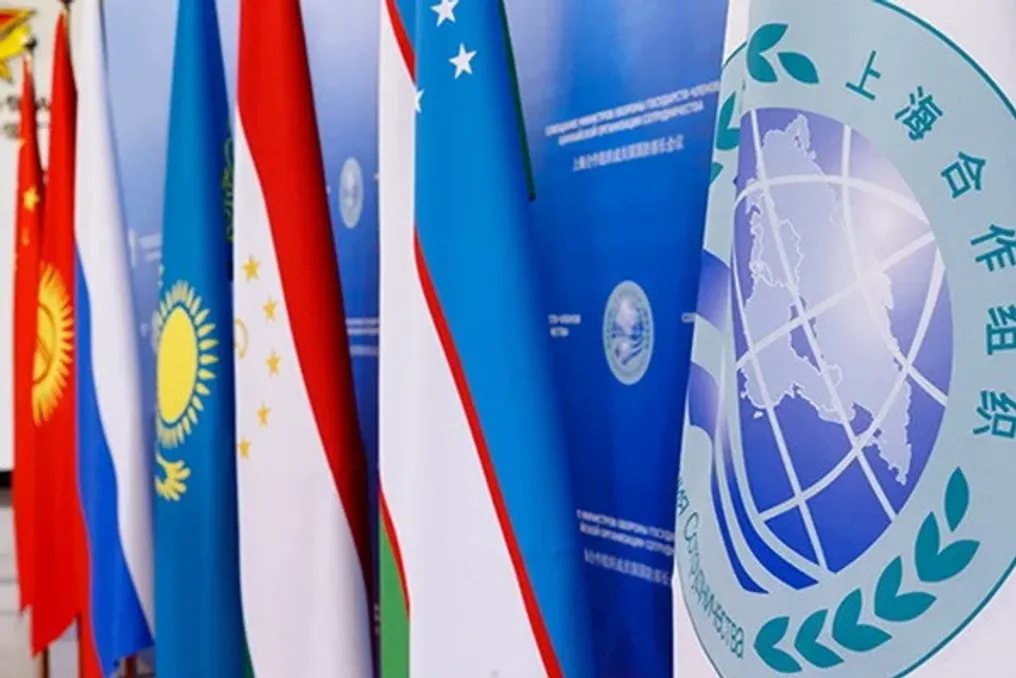
States belonging to the Shanghai Cooperation Organisation (SCO) are actively developing green growth strategies to stimulate economic development while simultaneously addressing environmental issues. Through joint technology exchange and rational resource use, SCO countries are integrating renewable energy sources, ecosystem restoration, and sustainable urban solutions into their economic models.
SCO countries account for about 42% of the world's population and play a significant role in global energy consumption. To meet growing demand without increasing dependence on carbon-intensive sources, member states are utilizing regional renewable resources, including the potential of solar, wind, and hydropower.
According to China's National Energy Administration, by the end of 2024, the total installed capacity of renewable energy in SCO countries reached 2.31 billion kW. This figure accounts for approximately half of the global volume and demonstrates a 14.5-fold increase compared to 2001.
Regional Clean Energy Projects
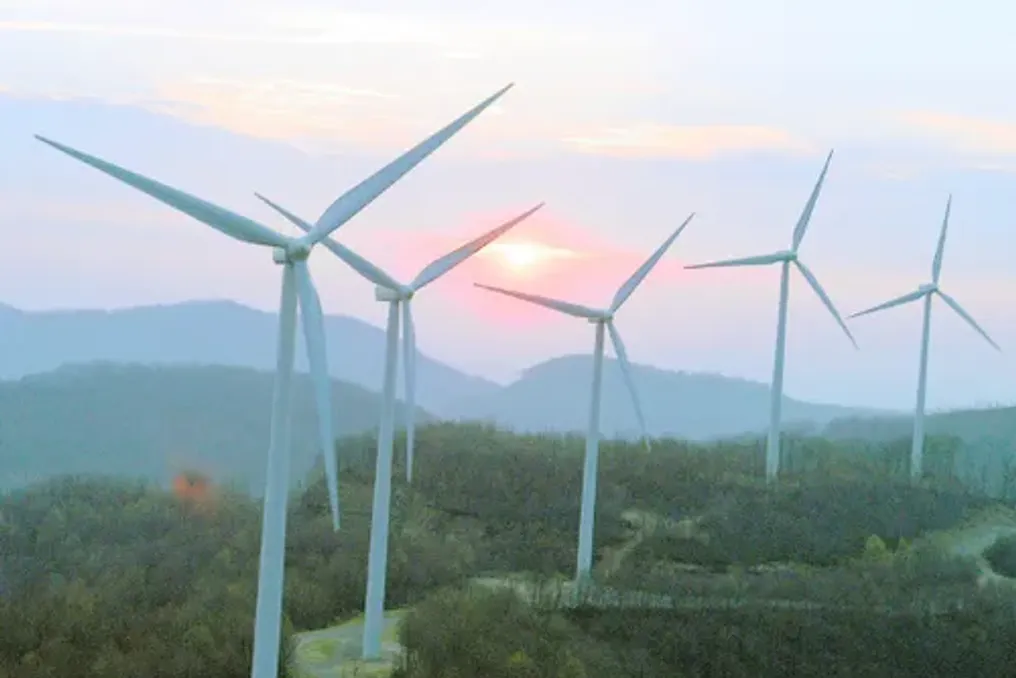
Among the regional clean energy projects is the wind power plant in the Akmola region of Kazakhstan, located about 50 kilometers from Astana. This facility, operated by a Chinese company, annually produces about 843 million kWh of electricity, which helps reduce carbon dioxide emissions by nearly 690 thousand tons per year. Engineers adapted the turbines to withstand local winter temperatures reaching minus 40 degrees Celsius by using specialized surfaces and operating modes to prevent icing.
Environmental efforts are also focused on restoring the area around the Aral Sea, which has lost about 90% of its original area since the 1960s, exposing over 67 thousand square kilometers of dry seabed. Since 2013, China and Central Asian countries have been cooperating through the Central Asian Ecology and Environment Research Center in Tashkent, establishing more than 80 monitoring stations to assess the state of the ecosystem, groundwater levels, and salt-carrying dust storms.
Joint initiatives have led to the creation of five experimental gardens to test salt-tolerant plants adapted within reclamation projects in Xinjiang, with plans to open two more sites. More than 40 species of salt-tolerant plants from China have been introduced to test their adaptability to local conditions. Researchers are studying plants such as *Cistanche*, which possesses medicinal properties and commercial potential.
Infrastructure and Transport Development
In Bishkek, Kyrgyzstan, waste-to-energy plants built with Chinese investment began operations at the end of 2025. In the first phase, the plant can process 1000 tons of waste daily and generate approximately 146 million kWh of electricity per year. After the start of the second phase in June 2026, the total daily capacity of the facility is expected to increase to 3000 tons, ensuring the production of about 480 million kWh annually. This $95 million project aims to divert waste from landfills and create nearly 100 local jobs.
Urban transport networks across the region are also transitioning to electric mobility. Pakistan has set a goal to ensure that 30% of new vehicle sales are electric by 2030. In 2025, the Chinese manufacturer Yutong supplied 400 electric buses to 19 Pakistani cities, leading to the creation of about 1500 jobs. Additionally, 600 electric buses from Beijing Automotive Group began operating in the country in 2026.
SCO leaders plan to meet in Bishkek, Kyrgyzstan, to discuss the further expansion of regional initiatives in green development and economic cooperation.