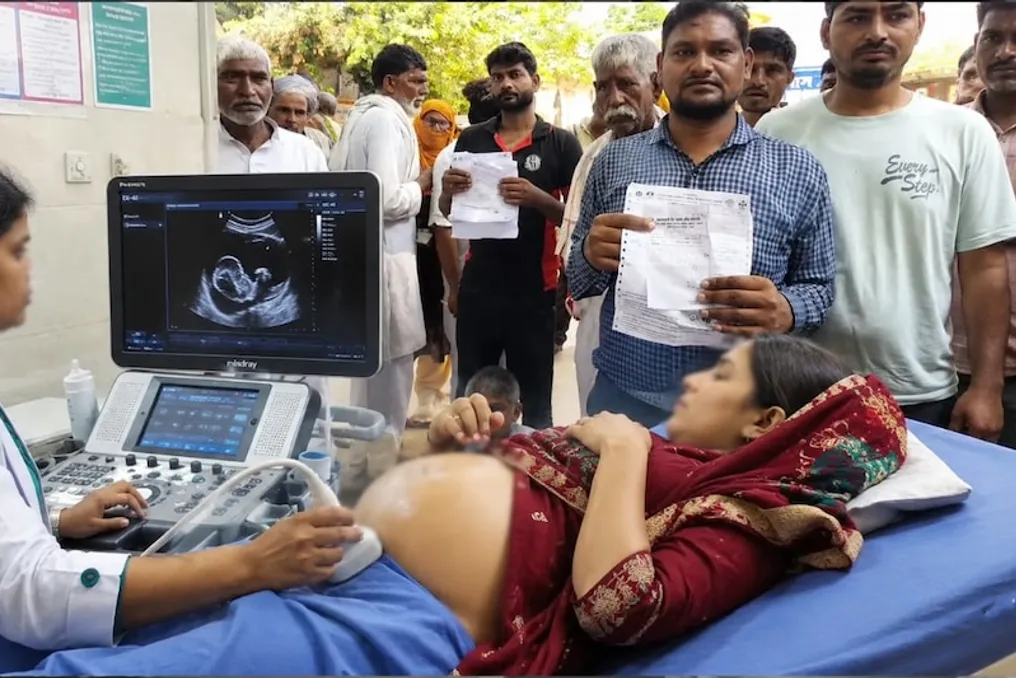
Questions are arising regarding the organization of medical services at the Rajiv Gandhi General Hospital in Alwar, one of Rajasthan's largest district hospitals. Pregnant women and other patients have to receive very late dates for ultrasound examinations (USG), sometimes after one and a half to two months. This forces patients to constantly visit the hospital for treatment.
Patients note that doctors cannot prescribe further treatment or medications without USG results, which directly affects the treatment process due to examination delays. Obstetricians and people suffering from gastrointestinal problems experience particular difficulties.
Despite the Rajiv Gandhi General Hospital receiving the status of a medical college about three years ago, patients claim that the quality of services provided still does not meet expectations. After the SMS hospital in Jaipur, the Alwar General Hospital has the highest outpatient department attendance among large government hospitals in Rajasthan, with about 4-5 thousand patients arriving daily.
Patients come not only from Rajasthan but also from the adjacent districts of Haryana and Uttar Pradesh. Despite the large number of visitors, getting an urgent USG involves long waiting times. The hospital itself and the women's hospital have USG equipment, but patients face difficulties undergoing the examination.
According to patients, they have to stand in a long queue to get an examination date, spending many hours in the hospital complex. One patient recounted being given a date in one and a half to two months. Even when attending on the scheduled day, the examination is often not conducted, leaving patients with only one option—to go to private laboratories, where the cost of one USG can reach 1000-2000 rupees.
Patients coming from rural areas of Alwar for treatment also complain about the behavior of hospital staff. They claim that employees near the USG room schedule dates for one or two months away and send patients back. Many need urgent examinations but are forced to wait a long time. Furthermore, even on the scheduled date, the USG is often not performed, forcing people to travel to the hospital again and again. Sometimes, even after waiting in line for two to four hours, the examination still does not take place, worsening the situation for low-income and rural residents.
Patients report that they have repeatedly raised these issues with the hospital administration, but a permanent solution has yet to be found. A similar situation regarding USG is observed at the Rajiv Gandhi General Hospital Women's Hospital. For those who hoped for free or inexpensive examinations in the public clinic, getting an ultrasound has become a serious problem.
USG is considered necessary both for checking pregnancy and for detecting various gastrointestinal problems and other diseases. Due to the long appointment waiting times at the government hospital, patients do not receive timely examinations, forcing some to pay for tests in private centers. Families with low incomes experience the greatest difficulties as they cannot afford private checks. Patients ask the hospital administration why they have to wait for months if the equipment and capability to conduct examinations are available in the public clinic.
Currently, questions are being raised regarding patient complaints and the USG system in the hospital. Despite the large number of outpatient department visitors, such long appointment lead times indicate pressure on the healthcare system. Patients demand that the hospital administration resolve this issue as soon as possible so that pregnant women and other needy patients can receive USG services on time.